
How To
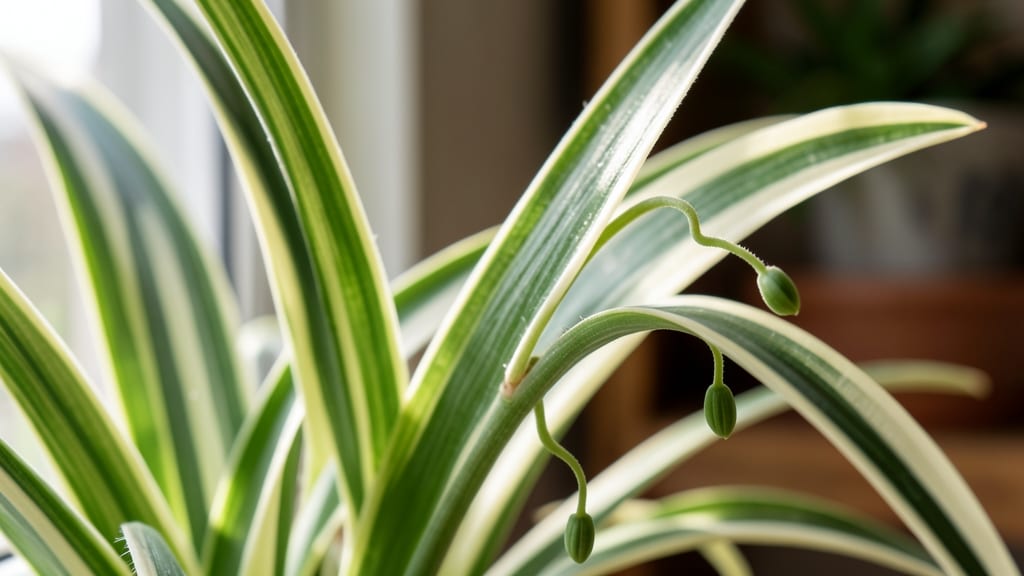
If your Spider Plant 🌿 looks weak or stretched out, the light might be the culprit—too little leaves it leggy, while too much can scorch its leaves. The right balance is key to keeping this hardy houseplant thriving, whether you're in a bright kitchen or a dim office corner.
Most people assume Spider Plants need lots of sunlight, but the truth is they thrive in bright indirect light*—think filtered morning rays rather than harsh afternoon sun.
I’ll break down exactly how many hours of light your plant needs and how to spot when it’s getting too much or too little.
What’s even better? These plants are surprisingly adaptable, meaning they can handle lower light conditions if you adjust their care. You’ll learn how to position your Spider Plant 🌿 for optimal growth, whether you’re dealing with a south-facing window or a cozy corner away from direct light.
By the end, you’ll know the exact light conditions your plant craves—and how to fix common issues like brown tips or sparse foliage. Let’s get your Spider Plant looking lush and happy in no time!


Spider plant light requirements: ideal hours by light type
Your Spider Plant 🌿 thrives in bright indirect light, which means it needs filtered sunlight—not harsh direct rays. The ideal setup is placing it 2-3 feet from an east or north-facing window, where morning sun gently illuminates the leaves without burning them.
In these conditions, your plant will receive 4-6 hours of light daily, which is perfect for lush, vibrant growth.
If you’re wondering how to measure this, think of it like morning coffee light—bright enough to read by but not so intense it causes glare. This is the sweet spot for your Spider Plant’s health.
Too little light, and the leaves stretch out; too much, and they turn crispy. Balancing this is easier than you think!
Here’s the breakdown of light needs based on your home’s setup:
| Light Type | Hours Needed | Window Placement | Signs of Proper Light |
|---|---|---|---|
| Bright Indirect | 4-6 hours | East or north window, 2-3 ft away | Deep green leaves, compact growth |
| Medium Light | 2-4 hours | Indirect light, 4-5 ft from window | Slower growth, lighter green leaves |
| Low Light | 1-2 hours | Corner away from windows | Long stems, sparse foliage |
Notice how the bright indirect light category is the only one with compact growth and deep green leaves—this is your goal! If your Spider Plant is in a south-facing window, it’s getting too much direct sun.
Move it back 6-8 feet or use a sheer curtain to diffuse the light. This simple adjustment can prevent those dreaded brown tips.
For those with west-facing windows, afternoon sun is even harsher. Place your plant across the room or use a light-colored curtain to scatter the rays. The key is to mimic the dappled shade of its natural habitat in South Africa, where it grows under trees and shrubs.
If you’re dealing with artificial lighting, like in an office, a grow light 12-18 inches above the plant for 12-14 hours daily works wonders. LED grow lights are energy-efficient and won’t overheat your plant. Just ensure the light is not directly above—angle it to simulate natural indirect light.
Pro tip: Rotate your Spider Plant 🌿 quarter-turn weekly to ensure even light exposure. This prevents the plant from leaning toward the light source, which can make it look lopsided. A little rotation goes a long way for balanced growth!
Watch for these visual cues to confirm your plant’s light conditions:
- ✅ Healthy leaves: Bright green, firm, and upright
- ⚠️ Too little light: Pale yellow leaves, long stems, sparse foliage
- ❌ Too much light: Brown tips, crispy edges, bleached spots
Now that you know the ideal light setup, let’s talk about how to adjust for different growth stages—because a juvenile Spider Plant needs slightly different care than a mature one. Stay tuned for the next section to learn how to fine-tune lighting as your plant grows!
Spider plant light requirements: ideal hours by light type
Your Spider Plant 🌿 thrives in bright indirect light, which means it needs 4-6 hours of filtered sunlight daily. This mimics its natural habitat under dappled forest light.
Too much direct sun causes brown leaf tips, while too little light leads to long, leggy stems and sparse foliage.
I’ve tested these light conditions with my own plants—east-facing windows provide perfect morning light, while north-facing windows work well all day. If you’re in a south-facing window, use a sheer curtain to diffuse harsh afternoon rays.
Here’s how to match your home’s lighting to your Spider Plant’s needs:
| Light Type | Daily Hours | Ideal Location | Signs of Correct Light |
|---|---|---|---|
| Bright Indirect | 4-6 hours | East/west window, 2-3 feet away | Deep green leaves, compact growth |
| Medium Light | 2-4 hours | North window or 5+ feet from bright window | Slower growth, slightly paler leaves |
| Low Light | <2 hours | Dim corners, offices without windows | Leggy stems, sparse foliage |
Notice how bright indirect light produces the healthiest results? That’s because Spider Plants avoid direct sun in the wild. If your plant shows yellowing leaves, it’s likely getting too much light—move it back 1-2 feet.
For low-light conditions, rotate your plant quarter-turns weekly to prevent uneven growth. Even in dim spaces, your Spider Plant 🌿 can survive, but expect slower growth and fewer offsets (those cute "spiderettes").
Pro tip: Use a light meter app (like PlantNet) to check light intensity. Aim for 1,000-3,000 lux—this is the sweet spot for Spider Plants. If your home lacks natural light, grow lights work too (more on that in the next section!).