
Plants
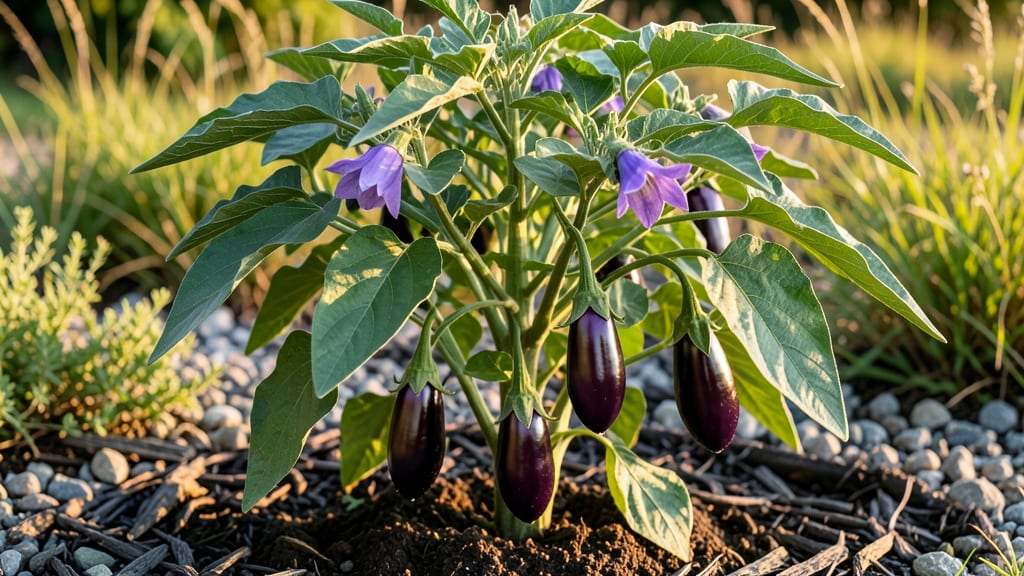
If you're wondering how tall does an eggplant plant grow, the answer depends more on the variety than you might think. Some 🍆 plants stay as short as 18 inches, perfect for containers, while others shoot up to 4 feet—taller than most gardeners expect!
For gardeners in Zone 6a, choosing the right type is key. Compact varieties like 'Fairy Tale' thrive in small spaces, while standard types like 'Black Beauty' need room to stretch. Planting in spring means you'll see their full height by harvest time.
Height isn't just about space—it's also about care. Pruning, sunlight, and soil quality can all influence how tall your plants grow. With the right approach, even a 4-foot eggplant can fit neatly in your garden plan.
Let's break down the varieties and tips to help you pick the perfect size for your garden. You'll be harvesting glossy, ready-to-eat 🍆 in no time!


Eggplant plant height by variety: compact vs. towering options
Eggplant plants come in a surprising range of heights, from dwarf varieties that barely clear a foot to towering giants reaching over 4 feet tall. The height you’ll experience depends entirely on the variety you choose, as well as how you care for it.
For example, the popular 'Black Beauty' variety typically grows 3-4 feet tall, while 'Fairy Tale' eggplants stay under 2 feet—perfect for containers or small gardens. Understanding these differences helps you plan spacing, trellising, and even container sizes before planting.
Most eggplants fall into three height categories: dwarf (1-2 ft), semi-dwarf (2-3 ft), and standard (3-4 ft). Dwarf varieties are ideal for balcony gardens or pots on patios, while standard varieties need room to sprawl in garden beds.
Some heirloom or Asian varieties, like 'Ichiban', can even reach 5 feet or more under ideal conditions. Let’s break down the most common varieties and their typical mature heights to help you pick the right fit for your space.
| Variety | Height Range | Growth Habit | Best For |
|---|---|---|---|
| Fairy Tale | 18–24 inches | Bush | Containers, small gardens |
| Little Finger | 12–18 inches | Bush | Balconies, windowsills |
| Black Beauty | 3–4 feet | Bush | Garden beds, in-ground |
| Ichiban | 4–5 feet | Vining | Trellises, large gardens |
| Rosa Bianca | 2–3 feet | Bush | Small spaces, urban gardens |
The growth habit of an eggplant—whether it’s a bush type or a vining type—plays a huge role in how much space it needs.
Bush varieties, like 'Black Beauty', grow in a compact form and rarely need support, while vining types, such as 'Ichiban', can sprawl or climb if given a trellis. If you’re short on space, opt for bush varieties or use cage supports to contain vining types.
For example, a 5-gallon container works well for 'Fairy Tale', but you’d need a 15-gallon pot or garden bed for 'Ichiban' to accommodate its height and spread.
Another factor influencing height is the soil and sunlight your eggplant receives. Plants grown in poor soil or with inadequate sunlight may stay shorter than expected, while those in rich, well-draining soil with full sun exposure can grow taller and more vigorously.
For instance, 'Black Beauty' might only reach 2.5 feet if planted in partial shade, whereas it could hit 4 feet in a sunny, fertile garden bed. Always check the seed packet or plant tag for specific growing conditions to maximize height potential.
If you’re growing eggplants in containers, choose varieties that match your pot size. A 10-inch pot is perfect for 'Little Finger', while a 20-inch pot or larger is better for 'Black Beauty'. Remember, eggplants are annuals, so their height is only relevant for one growing season.
However, planning for their mature size now will save you from overcrowding and poor air circulation later in the season. Pro tip: Leave 18–24 inches of space between standard varieties to prevent competition for nutrients and sunlight.
For gardeners with limited vertical space, dwarf varieties are a game-changer. They produce smaller fruits but require far less room, making them ideal for balconies, rooftops, or windowsills.
For example, 'Fairy Tale' produces baby eggplants in just 60 days and stays under 2 feet, perfect for harvesting throughout the summer. If you’re unsure which variety to pick, start with a mix of heights—like one dwarf and one standard variety—to see what works best in your space.
One common mistake is assuming all eggplants grow the same height. In reality, the difference between a dwarf variety
Why some eggplants grow taller than others: genetics and care factors
Eggplant height isn’t just about the variety—it’s also about how you care for them. Genetics play a huge role, but environmental factors like sunlight, soil nutrients, and even pruning can push plants to grow taller or shorter than expected.
For example, a 'Black Beauty' might reach 4 feet with ideal care, but poor conditions could stunt it to just 2 feet.
One of the biggest influences is sunlight exposure. Eggplants need 6+ hours of direct sun daily to grow their best. Without enough light, they’ll stretch toward the sun, becoming leggy and weak.
This is called etiolation, and it’s a common reason why eggplants grow taller than their expected height range.
Soil nutrients also impact height. Over-fertilizing with nitrogen can lead to excessive leafy growth and fewer fruits, while a balanced fertilizer (like 10-10-10) encourages healthy, proportional growth. Too much phosphorus or potassium can also alter height—sometimes making plants grow taller but weaker.
Watering habits matter too. Under-watering can stunt growth, while over-watering can cause root stress, leading to uneven or exaggerated height. Consistency is key—keep the soil evenly moist but never soggy. In Zone 6a, this means watering every 2-3 days during the growing season.
Even pruning mistakes can affect height. If you prune too aggressively, the plant may focus on regrowing foliage instead of producing fruit, leading to a bushier but shorter stature. On the other hand, leaving too many side shoots unpruned can make the plant sprawl and grow taller than necessary.
Watch for signs of stress that may alter your eggplant’s height. Yellowing leaves can indicate nutrient deficiencies, while drooping stems might mean underwatering. Both can slow growth or cause the plant to stretch unnaturally.
Keeping an eye on these cues helps you adjust care and maintain the ideal height for your variety.
Finally, container size plays a role if you’re growing eggplants in pots. Root-bound plants will grow taller as they search for space, while those in 5-gallon containers or larger can maintain their expected height. Always choose a pot that matches the mature size of your eggplant variety.
By understanding these factors, you can help your eggplants grow to their full potential—whether that’s a compact 18 inches or a towering 4 feet. Pay attention to your plants’ needs, and you’ll be rewarded with healthy, productive growth all season long. 🌱
Too much nitrogen can make your eggplant grow taller but leafless, while too little can stunt height. Always follow the 1 tbsp per plant rule for balanced fertilizer. Test your soil first to avoid overdoing it!