Plants
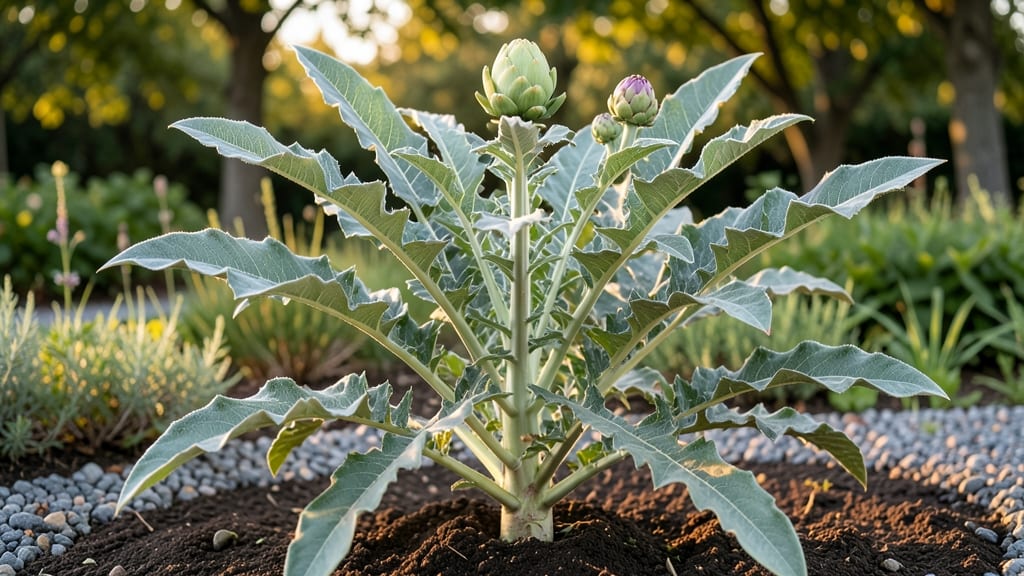
If you’ve ever wondered how tall an artichoke plant can grow, the answer might surprise you—these thistle-like giants can reach heights that rival your garden’s tallest fence!
Whether you’re planning a cozy backyard plot or a sprawling vegetable patch, understanding their growth potential is key to maximizing your harvest and avoiding space-related headaches.
The height of your 🌱 artichoke plant depends largely on the variety you choose, with some dwarf types staying compact at just 2-3 feet, while standard globe artichokes can shoot up to 5-6 feet tall.
In USDA Zone 6a, where spring planting kicks off in March-April, proper spacing and support become game-changers—especially for taller varieties that might need trellises to stay upright and healthy.
But here’s the thing: height isn’t just about aesthetics. A well-supported artichoke plant grows stronger, produces more buds, and resists pests better than one left to flop.
Whether you’re dealing with a 3-foot bush variety or a towering 6-foot stalk, we’ll break down exactly what you need to know to keep your plants thriving—from variety selection to support strategies that work.
Ready to transform your garden into an artichoke powerhouse? Let’s dive into the specifics so you can plan your space, choose the right varieties, and set your plants up for success—no guesswork required.


Artichoke plant height by variety: from compact to towering giants
When planning your artichoke garden, the first question I ask myself is: how tall will these plants really get? The answer varies wildly depending on the variety, with some staying as short as 2 feet while others reach 6 feet or more.
For example, the popular Green Globe variety typically grows 3-5 feet tall, making it perfect for medium-sized gardens, while Romanesco varieties can stretch up to 6 feet—ideal for larger plots or trellis setups.
Choosing the right variety isn’t just about height—it’s about growth habit. Some artichokes grow as bushy plants with multiple stems, while others produce a single tall stalk. This distinction matters for spacing, airflow, and even pest control.
For instance, Violetto artichokes stay compact at 2-3 feet, perfect for container gardening, while Imperial Star can tower at 5-6 feet and needs sturdy support.
Here’s the key takeaway: taller varieties yield more buds, but they require more space and support. If you’re working with limited garden real estate, dwarf varieties like Baby or Romanesco hybrids are your best bet.
Meanwhile, if you’re aiming for a high-volume harvest, standard globe artichokes will give you the biggest payoff—literally and figuratively.
🌱
| Variety | Height Range | Growth Habit | Best For |
|---|---|---|---|
| Green Globe | 3–5 ft | Bushy, multiple stems | Medium gardens, containers |
| Romanesco | 5–6 ft | Tall stalk, single stem | Large plots, trellises |
| Violetto | 2–3 ft | Compact bush | Small spaces, containers |
| Imperial Star | 5–6 ft | Tall stalk, single stem | High-yield gardens |
| Baby (Romanesco hybrids) | 2–4 ft | Bushy, early harvest | Small gardens, quick yields |
Beyond variety, climate and soil quality play huge roles in determining how tall your artichoke plants will grow. In USDA Zone 6a, where I garden, artichokes planted in well-draining, nutrient-rich soil with full sun (6–8 hours daily) will reach their maximum height potential.
Poor soil or shade can stunt growth, leaving you with 3-foot plants instead of the 5-foot giants you’re hoping for.
Another critical factor is spacing. Taller varieties like Romanesco need 3–4 feet between plants to avoid crowding, while dwarf types can thrive with just 18–24 inches of space.
Overcrowding leads to competition for nutrients, weaker stems, and—you guessed it—shorter plants. If you’re growing multiple varieties, group the tallest ones together near trellises or fences to save space.
Pro tip: If you’re short on vertical space but want to grow taller varieties, consider escaping artichokes up a trellis or cage. This not only saves garden real estate but also improves airflow, reducing the risk of fungal diseases like powdery mildew.
Just imagine harvesting artichokes at eye level—no more bending over!
🌿
For container growers, dwarf varieties are a game-changer. A 5-gallon pot can comfortably hold a Violetto or Baby Romanesco, while standard varieties will need 15-gallon containers or larger to support their height.
Remember, container-grown artichokes may not reach their full height potential, but they’ll still produce delicious buds—just on a smaller scale.
Lastly, don’t forget that first-year plants are typically shorter (3–4 feet) than mature plants (4–6 feet).
If you’re impatient for a harvest, choose early-maturing varieties like Baby or Romanesco hybrids, which can produce buds in as few as 80–100 days—even if the plants themselves stay compact.
Artichoke plant height by variety: from compact to towering giants
Choosing the right artichoke variety is the first step to controlling plant height, and the options can vary dramatically. Globe artichokes, the most common type, typically reach 4-6 feet tall, while Jerusalem artichokes (also called sunchokes) grow even taller, sometimes exceeding 6 feet in ideal conditions.
If you’re working with limited space, dwarf varieties like ‘Baby’ or ‘Green Globe’ stay between 2-3 feet, making them perfect for containers or small gardens.
The growth habit also plays a role—some varieties grow as bushy plants with multiple stems, while others produce a single tall stalk.
For example, ‘Romanesco’ artichokes are known for their striking purple buds and can grow up to 5 feet tall, while ‘Violetto’ varieties stay slightly shorter at 3-4 feet. Understanding these differences helps you plan your garden layout and avoid overcrowding.
Here’s a quick breakdown of how artichoke plant height varies by variety, so you can pick the best fit for your space:
| Variety | Height Range | Growth Habit | Best For |
|---|---|---|---|
| Green Globe | 4-6 ft | Tall stalk | Large gardens, trellises |
| Romanesco | 5-6 ft | Tall stalk | Ornamental + edible |
| Violetto | 3-4 ft | Bushy | Containers, small plots |
| Baby | 2-3 ft | Compact bush | Urban gardens, pots |
| Jerusalem Artichoke | 6+ ft | Tall, sprawling | Perennial beds, wild gardens |
For USDA Zone 6a gardens, where planting starts in March-April, taller varieties like Green Globe or Romanesco thrive with full sun and rich soil, but they’ll need support structures to prevent flopping.
If you’re growing dwarf varieties, you can skip the trellises and focus on spacing—aim for 18-24 inches between plants to ensure airflow and reduce disease risk.
One common mistake is assuming all artichokes grow the same way. Jerusalem artichokes, for example, are perennial and can spread aggressively, while globe artichokes are annuals that produce buds in their first season.
If you’re new to growing artichokes, start with a 3-foot variety like ‘Violetto’ to get a feel for their care needs before tackling taller types.
Proper spacing isn’t just about height—it’s about harvest potential. A 6-foot plant like Romanesco might produce fewer buds than a 4-foot Green Globe if crowded. Give your plants room to breathe, and you’ll reward yourself with bigger, healthier buds all season long.