
Plants
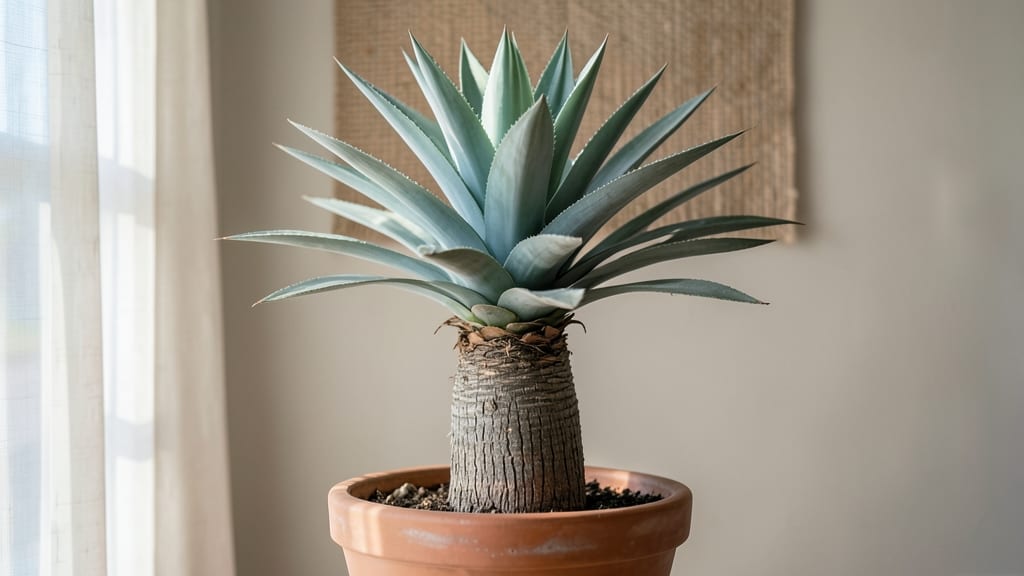
If you're dreaming of a dramatic desert-inspired garden, knowing how tall can a yucca plant grow is the first step to planning your space like a pro. These striking plants can transform your yard with their bold, architectural presence—but their mature heights might surprise you.
From the compact Yucca filamentosa that stays under 3 feet to the towering Yucca elephantipes, which can reach 20 feet or more, this plant offers a range of sizes to fit any landscape.
Whether you want a low-maintenance border plant or a statement piece that rivals small trees, there's a yucca variety perfect for your vision.
But here's the catch: their growth depends on more than just genetics. Sunlight, soil quality, and even your pruning habits play a huge role in determining how big your 🌵 will become.
I'll break down everything you need to know to encourage the perfect height—or keep it in check—so you can enjoy these desert beauties without any unexpected surprises.
Ready to discover which yucca varieties will thrive in your space? Let's explore the full height spectrum and the secrets to managing their growth like a seasoned gardener.


Yucca plant height by variety: from dwarf to Tree-like giants
Yucca plants are architectural marvels that can transform your garden into a desert oasis. Their height varies dramatically depending on the variety—some stay compact while others grow tall enough to shade small trees.
If you're planning your landscape, knowing these height ranges will help you choose the perfect yucca for your space.
The Yucca rostrata, also called the Spanish dagger, is one of the tallest varieties, reaching heights of 10 to 20 feet in ideal conditions. Meanwhile, the Yucca filamentosa, or Adam's needle, typically stays between 3 to 6 feet tall, making it ideal for smaller gardens.
Each variety has its own growth pattern, so let’s explore the full spectrum.
| Variety | Mature Height | Growth Habit | Best For |
|---|---|---|---|
| Yucca rostrata | 10–20 ft | Tree-like, upright | Large landscapes, focal points |
| Yucca gigantea | 6–12 ft | Clumping, multi-stemmed | Medium gardens, borders |
| Yucca filamentosa | 3–6 ft | Shrubby, spreading | Small gardens, containers |
| Yucca elephantipes | 10–15 ft | Tree-like, slow-growing | Large containers, tropical gardens |
| Yucca gloriosa | 2–4 ft | Compact, clumping | Rock gardens, borders |
| Yucca brevifolia | 10–15 ft | Tree-like, slow-growing | Desert landscapes, arid climates |
The Yucca rostrata is a standout for its dramatic height, often growing taller than a basketball hoop. If you're in a warm climate like USDA Zone 7 or higher, this variety can thrive and reach its full potential.
For smaller spaces, the Yucca gloriosa or Yucca filamentosa are excellent choices, offering stunning foliage without overwhelming your yard.
When selecting a yucca, consider not just height but also the spread of the plant. Some varieties, like the Yucca gigantea, can spread 6 to 10 feet wide, requiring ample space.
Others, like the Yucca brevifolia, grow more upright but still need room to breathe. Always check the mature size before planting to avoid future headaches.
If you're growing yucca in containers, opt for dwarf varieties like Yucca smalliana or Yucca flaccida, which rarely exceed 4 to 5 feet tall.
These are perfect for patios or balconies where space is limited. Just ensure your container is large enough to accommodate the plant’s root system as it matures.
Yucca plants are perennials, meaning they grow year after year, but their growth rate slows significantly after reaching maturity. For example, a Yucca elephantipes might take 5 to 10 years to reach its full height. Patience is key—these plants reward long-term gardeners with striking, low-maintenance beauty.
For those in cooler climates, like USDA Zone 6, choose cold-hardy varieties such as Yucca filamentosa or Yucca gloriosa. These can survive winter temperatures down to 0°F, making them ideal for northern gardens. Always plant in well-draining soil and a sunny location to encourage healthy growth.
One common misconception is that all yucca plants grow into towering trees. In reality, many stay as shrubs or clumping plants, never exceeding 6 feet.
If you love the look of yucca but have limited space, focus on varieties like Yucca recurvifolia, which tops out around 3 to 4 feet and has a graceful, arching form.
To ensure your yucca reaches its full potential, provide it with full sun exposure and well-draining soil. Overwatering can stunt growth or even kill the plant, so always let the soil dry out completely between waterings.
With the right conditions, your yucca will thrive and become a stunning focal point in your garden.
Factors that influence Yucca plant height: sun, soil, and care
You might think a yucca plant’s height is purely genetic, but sunlight exposure, soil quality, and even your watering habits play a massive role in how tall it grows.
In fact, these factors can push a Yucca elephantipes from 10 feet to a towering 20 feet—or keep a Yucca filamentosa compact at just 3 feet. Let’s break down the key elements that determine your yucca’s final height.
First, sunlight is non-negotiable for yuccas. These desert natives thrive in full sun (6+ hours daily), and more sunlight = faster, taller growth. A yucca in a south-facing garden bed will shoot up 3x faster than one tucked in partial shade.
Think of sunlight as its growth fuel—cut it off, and you’ll stunt its potential.
Soil drainage is another game-changer. Yuccas hate soggy roots, which can lead to root rot and stunted growth. Amend heavy clay soil with gravel or sand to create a fast-draining environment. Poor drainage won’t just limit height—it can kill your plant entirely. I’ve seen Yucca rostrata (which can reach 15 feet) struggle to grow past 5 feet in compacted soil.
Your watering habits also shape your yucca’s height. While these plants are drought-tolerant, they need deep watering every 10-14 days during active growth. Shallow, frequent watering leads to weak roots and leggy growth—think Yucca filamentosa stretching to 5 feet instead of staying at 3 feet.
I’ve seen gardeners accidentally create "weedy" yuccas by overwatering, which encourages rapid (but weak) vertical growth.
Finally, fertilization and pruning can tweak height. A balanced fertilizer (5-10-10) applied in early spring gives yuccas a growth boost, while pruning leggy stems redirects energy to bushier (but shorter) growth.
For example, a Yucca gigantea (which can hit 12 feet) will stay more compact if you prune back 1/3 of its height annually. It’s all about balance!
Ready to fine-tune your yucca’s growth? Start with these adjustments, and you’ll see dramatic differences in height—and overall health—in just one growing season. 🌵