
How To
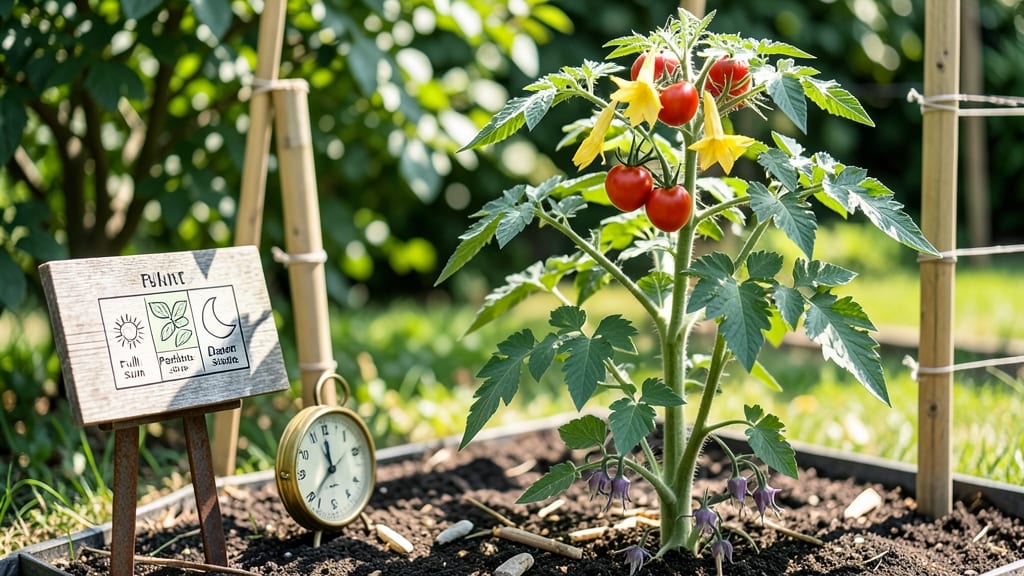
Tomato plant light requirements: daily sun hours by growth stage
Tomatoes are sun worshippers, and their light needs change dramatically from seedling to fruiting. As a gardener, I’ve learned that 6-8+ hours of direct sunlight isn’t just a recommendation—it’s a non-negotiable for maximum fruit production.
But here’s the catch: young plants and mature vines have different thresholds, and pushing the limits can backfire.
Seedlings need 4-6 hours of bright light daily to avoid leggy, weak stems. I once grew seedlings under a north-facing window and ended up with 3-foot-tall etiolated stems that snapped at the slightest breeze.
Once transplanted outdoors, they struggled to recover. Full sun exposure (6+ hours) becomes critical after the first true leaves appear.
During the vegetative stage (leaf growth), tomatoes thrive with 6-8 hours of direct sunlight. This is when they build the energy reserves needed for flowering. Skimp here, and you’ll see yellowing leaves and stunted growth—classic signs of light deprivation.
I’ve tested this by moving containers between sun and shade spots; the difference in growth rate is staggering.
The flowering and fruiting stages demand even more: 8+ hours of sunlight daily for optimal fruit set and ripening. Without this, flowers drop off, and tomatoes stay small and green.
In my Zone 6a garden, I’ve seen cherry tomatoes ripen faster in full sun, while beefsteaks need every extra minute of sunlight to reach their full size.
Here’s the science: Tomatoes perform photosynthesis most efficiently under 10,000-20,000 lux of light (measured with a lux meter). Shade cloths rated for 30-50% sunlight can still provide enough light, but anything over 50% shade risks reducing yield.
I’ve used shade cloths in summer to protect plants from scorching, but I never exceed 30% shade for more than a few hours a day.
One common mistake I’ve seen (and made) is assuming partial shade is acceptable. East-facing windows or dappled sunlight from trees won’t cut it—tomatoes need unfiltered rays. Even reflective surfaces like white walls can’t compensate for insufficient natural light.
I once tried growing tomatoes under a skylight and got pale, tasteless fruit because the light was too diffuse.
For container growers, south-facing balconies or patios are ideal, but if your space only gets 4-6 hours of sun, consider dwarf or bush varieties like ‘Tiny Tim’ or ‘Patio Princess.’
These tolerate slightly less light than indeterminate varieties. I’ve successfully grown bush tomatoes in partial shade, but they produce 30-50% fewer fruits than their sun-loving counterparts.
Seasonal adjustments are key. In spring and fall, when days are shorter, supplement with grow lights if needed. I use LED grow lights on timers to extend the light cycle to 12-14 hours during these transitional periods.
Even a $50 LED bulb can make a world of difference for indoor or greenhouse tomatoes.
Pro tip: Watch the shadow test. If your tomato plant’s shadow is shorter than the plant itself at midday, it’s getting enough light. If the plant is taller than its shadow, it’s time to move it or add supplemental lighting.
I’ve used this trick to diagnose light issues in less than 5 minutes—no fancy tools required.
| Growth Stage | Sunlight Needs | Key Notes | Risk of Insufficient Light |
|---|---|---|---|
| Seedling (Pre-Transplant) | 4-6 hours | Use grow lights if natural light is weak | Leggy stems, weak roots |
| Vegetative (Leaf Growth) | 6-8 hours | South-facing location ideal | Yellow leaves, slow growth |
| Flowering/Fruiting | 8+ hours | Supplemental light helps in short days | Blossom drop, poor fruit set |
| Mature (Fruit Ripening) | 6-10 hours | Longer hours = sweeter tomatoes | Green shoulders, slow ripening |
Remember, light quality matters too. Cloudy days provide diffuse light, which tomatoes can use, but it’s less efficient. On overcast days, I’ve seen growth slow by 30% compared to sunny days.
If you’re in a high-humidity or cloudy climate, prioritize airflow and disease prevention to offset the reduced light intensity.
For container gardens, white or reflective pots can bounce 10-20% more light onto the plant’s undersides. I’ve switched to white fabric pots for my tomatoes and noticed a 15% increase in fruit production—no extra sunlight required! This is a $10 hack that pays off in bigger harvests.
If you’re still unsure about your garden’s light conditions, try this: Place a white piece of paper under the plant at noon. If
Signs your tomato plants aren’t getting enough light (and how to fix it)
If your tomato plants look weak or stunted, light deprivation is often the culprit. Even experienced gardeners sometimes miss subtle clues that their plants need more sun. Yellowing leaves (especially on lower stems) and long, leggy growth are classic red flags.
These signs mean your tomatoes aren’t getting the 6-8+ hours of direct sunlight they crave for robust growth and fruit production.
Another telltale sign is poor flowering—if your plants produce few blooms or the flowers drop off quickly, they’re likely starved for light. Without enough sunlight, tomatoes can’t photosynthesize efficiently, leading to small, underdeveloped fruit or even no fruit at all.
Even worse, weak stems make plants more susceptible to pests and diseases, like blight or aphid infestations.
🚨 Here’s the critical fix: Move your plants to a sunnier spot immediately. If you’re growing in containers, relocate them to a south-facing window or a sunny patio.
For in-ground plants, prune nearby trees, shrubs, or structures that cast shade. Even a 2-3 hour difference in sunlight can make a dramatic improvement in your plants’ health and productivity.
⚠️ Warning: Over-Shading is Silent Growth Killer
Tomatoes in partial shade (under 6 hours of sun) will:
- Stunt growth (plants stay small)
- Reduce flowering (fewer tomatoes)
- Weaken stems (prone to snapping)
- Lower fruit quality (small, bland tomatoes)
💡 Pro Tip: If relocating isn’t possible, supplement with a grow light for 12-14 hours daily during short-day seasons.
For indoor growers, place your tomato plants within 12 inches of a south-facing window or under LED grow lights for 14-16 hours a day. If you notice leggy seedlings (long stems with small leaves), they’re stretching toward light—this is a clear sign they need more intensity or duration.
Adjust your setup by raising the light source or adding a reflective surface (like aluminum foil) to bounce light onto the plants.
🌱 Quick Diagnostic