
Plants
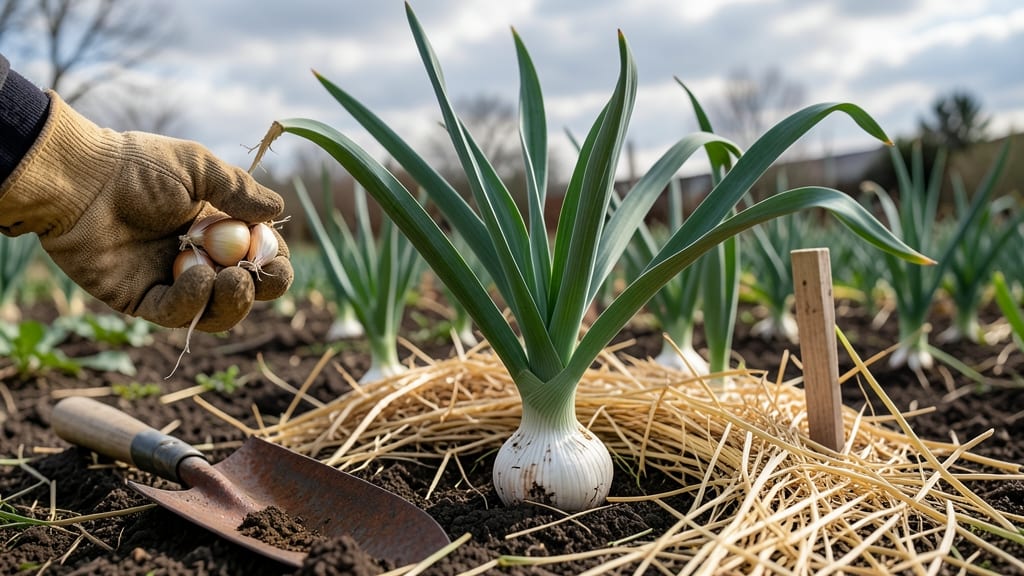
Timing your spring garlic planting in Ohio can make or break your harvest—get it wrong, and you might end up with stunted bulbs or no crop at all.
The key is planting 🧄 between March and early April, when soil temperatures hover around 40°F and the last frost date is still 4-6 weeks away.
Ohio’s Zone 6a climate means you’ve got a narrow window to work with, and rushing or waiting too long can spell disaster. I’ve seen gardeners miss this sweet spot year after year, only to wonder why their garlic never reached full size.
Let’s break down the exact dates and soil prep tricks to ensure your cloves thrive.
You’ll learn how to check soil readiness, whether to plant cloves or seeds, and the 3 critical care steps that keep your garlic healthy until harvest. With these insights, you’ll avoid common pitfalls and grow bulbs that rival what you’d buy at the store—for a fraction of the cost.
Ready to transform your Ohio garden into a garlic powerhouse? Let’s dive into the zone-specific dates and foolproof methods that’ll have you harvesting plump, flavorful bulbs by late June.
Ohio garlic planting dates by hardiness Zone (2024 spring guide)
Ohio's three hardiness zones (5, 6, 7) create distinct planting windows for garlic, where timing directly impacts bulb size and flavor.
Since Ohio experiences last frost dates between April 15 and May 1, your zone determines whether you can plant garlic in early spring or must wait for fall. Most Ohio gardeners prefer fall planting (October-November) for larger bulbs, but spring planting works if done correctly.
For spring planting specifically, aim to plant garlic 2-3 weeks before your last frost date. This means mid-to-late March in Zone 7, early April in Zone 6, and late April in Zone 5.
Soil temperatures should be 40-50°F (4-10°C)—too warm, and cloves rot; too cold, and germination slows. Use a soil thermometer to confirm readiness.
Ohio's unpredictable spring weather adds complexity. A late frost can damage young garlic, while early planting in Zone 5 risks cloves sprouting too soon. The Ohio State University Extension recommends waiting until soil is workable (not muddy) and air temperatures consistently stay above 40°F (4°C) at night.
This usually aligns with mid-April for most of Ohio.
Moon phases also play a role in Ohio garlic planting. Planting during the waxing moon (increasing light) is believed to boost bulb development. For spring 2024, the waxing moon peaks March 25-April 8, making these ideal dates for Zone 7 gardeners.
Use a moon phase calendar to align your planting with lunar cycles for potentially larger yields.
Ohio Garlic Planting Timeline by Zone
| Zone | Last Frost Date | Ideal Spring Planting Window | Soil Temp Requirement | Moon Phase Tip |
|---|---|---|---|---|
| Zone 5 | April 25-May 1 | Late April (after last frost) | 45-50°F (7-10°C) | Waxing moon (April 15-30) |
| Zone 6 | April 15-20 | Early-to-mid April | 40-45°F (4-7°C) | Waxing moon (March 25-April 8) |
| Zone 7 | April 1-10 | Mid-to-late March | 40-50°F (4-10°C) | Waxing moon (March 15-April 1) |
*Source: Ohio State University Extension, 2024 Almanac
If you missed the spring planting window, don't panic—Ohio's fall planting (October-November) is even more reliable for bulb development. However, for spring plantings, hardneck varieties like 'German White' or 'Music' perform best in Ohio's climate.
These varieties handle colder soils and produce larger bulbs than softneck types. Avoid artichoke garlic, which struggles in Ohio's winters.
For container gardening in Ohio, adjust your timing by 1-2 weeks earlier than in-ground planting. Pots warm up faster, so aim for late March in Zone 7 or early April in Zone 6.
Use well-draining potting mix with 50% compost to prevent clove rot. Place containers in full sun (6+ hours) and protect from late frosts with frost cloth if needed.
Pro tip: Mark your garlic planting dates on a garden calendar alongside your tomato and pepper plantings. Ohio's short growing season means garlic needs 180-240 days to mature.
Planting too late in spring risks small bulbs or no harvest before the first frost. Use row covers in early spring to extend the season and protect young plants.
Finally, Ohio gardeners often ask: "Can I plant garlic in May?" The short answer is no. By May, soil temperatures rise above 50°F (10°C), causing cloves to rot before sprouting. If you miss the spring window,
How to prepare Ohio soil for garlic planting (before and after dates)
Preparing your Ohio soil for spring garlic planting is just as critical as timing—garlic thrives in loose, nutrient-rich soil with good drainage. If your garden beds are compacted or nutrient-poor, your bulbs will struggle to reach their full potential.
I’ve found that amending soil 4-6 weeks before planting gives garlic the best start, especially in Ohio’s clay-heavy soils.
Start by testing your soil’s pH level—garlic prefers a range of 6.0 to 7.0. If your soil is too acidic, add lime (like pelleted garden lime) in the fall or early spring.
For alkaline soil, mix in sulfur or peat moss to lower the pH. My go-to tool for testing is a simple home pH kit from a garden center.
Next, focus on improving soil structure. Garlic hates soggy roots, so if your yard holds water after rain, raise beds or add compost or aged manure to improve drainage.
I like to mix in 2-3 inches of compost into the top 6-8 inches of soil, which also adds organic matter for better moisture retention. Avoid fresh manure—it can burn young garlic shoots!