
Plants
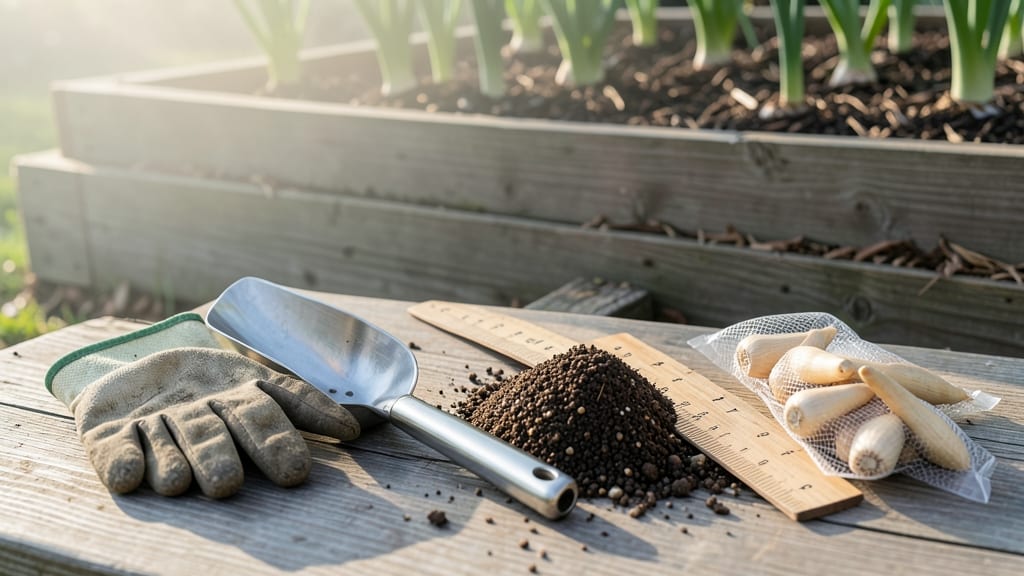
Planting Freesia bulbs 🌸 in Zone 5 isn’t just about timing—it’s about avoiding frost’s silent sabotage. Get this wrong, and your vibrant spring blooms might never appear. The key lies in a 6-8 week window before the first frost, when soil temps drop but danger hasn’t arrived yet.
Most gardeners in Zone 5 rush planting too early, only to watch their bulbs rot in soggy soil. Others wait too long, risking frost damage before roots can establish.
I’ve seen both mistakes firsthand—and the difference between success and disappointment comes down to one critical factor: soil temperature, not just the calendar.
In this guide, I’ll break down the exact fall planting window for Zone 5, plus soil prep tricks to outsmart winter’s chill. Whether you’re a first-time grower or a seasoned gardener, these secrets will ensure your Freesias burst through the soil next spring, frost-free and flourishing.
Ready to transform your garden? Let’s dive into the perfect timing and techniques that’ll make your Freesias the star of next year’s spring display.
Optimal fall planting window for freesia bulbs in Zone 5
Freesia bulbs thrive in Zone 5 when planted during a 4-6 week window before the first frost. For most of Zone 5, this means aiming for late September to mid-October. However, exact timing depends on your specific last frost date and soil temperature trends in your area.
Zone 5’s climate varies significantly from the northern border (like Duluth, MN) to southern areas (like St. Louis, MO). In colder sub-zones (5a), plant as early as late August to early September, while warmer sub-zones (5b) can wait until mid-October.
Always check your local USDA Plant Hardiness Zone map for precision.
Soil temperature is more critical than calendar dates. Freesia bulbs need 60°F soil to begin root growth but will rot if planted in soil warmer than 70°F. Use a soil thermometer to confirm readiness—ideal planting conditions occur when daytime temps hover around 65-70°F.
Here’s why timing matters: Planting too early (before August) risks premature sprouting, while planting too late (after November) leaves bulbs vulnerable to frost heave or freezing before roots establish. The 6-8 week buffer ensures roots grow but shoots stay dormant until spring.
| Zone 5 Sub-Climate | Ideal Planting Window | Soil Temp Goal | Key Risk |
|---|---|---|---|
| Zone 5a (Coldest) | Late August – Early September | 60–65°F | Early frost |
| Zone 5b (Moderate) | Mid-September – Mid-October | 65–70°F | Late planting |
| Southern Zone 5 | Late September – Early November | 60–68°F | Soil too warm |
For gardeners in Zone 5’s transition areas, consider using a local frost calendar from your Cooperative Extension Service. These resources provide hyper-local data on frost dates, which can shift by 1-2 weeks even within the same county.
For example, Chicago’s last frost often occurs 2 weeks earlier than Milwaukee’s.
If you’re unsure about your exact frost date, use the “10% chance of frost” rule. This is the safe planting cutoff—planting after this date risks frost damage to emerging shoots in spring. Most Zone 5 gardeners find this date falls around October 15th.
Pro tip: Plant freesia bulbs in containers or raised beds if your garden soil drains poorly. This prevents waterlogging, which is a common issue in clay-heavy Zone 5 soils.
Add a 1-inch layer of sand or perlite to the planting hole to improve drainage and mimic their native well-draining habitats.
Once planted, mulch heavily (3–4 inches) with straw or shredded leaves to insulate bulbs. This protects them from temperature fluctuations and frost heave, which can push bulbs out of the soil during freeze-thaw cycles. Remove mulch in early spring to allow shoots to emerge.
Remember, freesia bulbs are not cold-hardy like tulips or daffodils. They rely on dormancy to survive winter, so proper fall planting timing is your best defense against winter kill. With the right window, your bulbs will reward you with fragrant, vibrant blooms next spring.
🌸
Optimal fall planting window for freesia bulbs in Zone 5
Freesia bulbs 🌸 need that 6-8 week window before Zone 5’s first frost to establish roots—but don’t rely solely on calendar dates. The soil temperature is your true guide: aim for 50-60°F at planting time.
In most of Zone 5, this lands between late September and mid-October, but regional variations matter.
For example, northern Zone 5 (like Chicago or Detroit) may need to plant by early October, while southern areas (like St. Louis or Cincinnati) can extend until mid-October. Check your last frost date and count backward—this is your non-negotiable deadline.
Planting too early? Your bulbs may rot in soggy soil before winter. Too late? Frost can kill emerging shoots next spring. The key is balancing root growth with frost avoidance—a tricky dance in Zone 5’s unpredictable climate.
Pro tip: Use a soil thermometer to confirm temps. If your soil is below 50°F, delay planting—even if the calendar says it’s time. Freesias won’t tolerate cold soil, and forcing them will stress the bulbs.
For container gardeners, extend your window slightly by using black plastic pots (they absorb heat) or planting in protected microclimates**> (like near south-facing walls). This can buy you 1-2 extra weeks of planting time.
Once planted, mulch heavily with straw or leaves to insulate bulbs through winter. This isn’t just about frost protection—it’s about giving your freesias the head start they need to bloom earlier next spring.