
Flowers
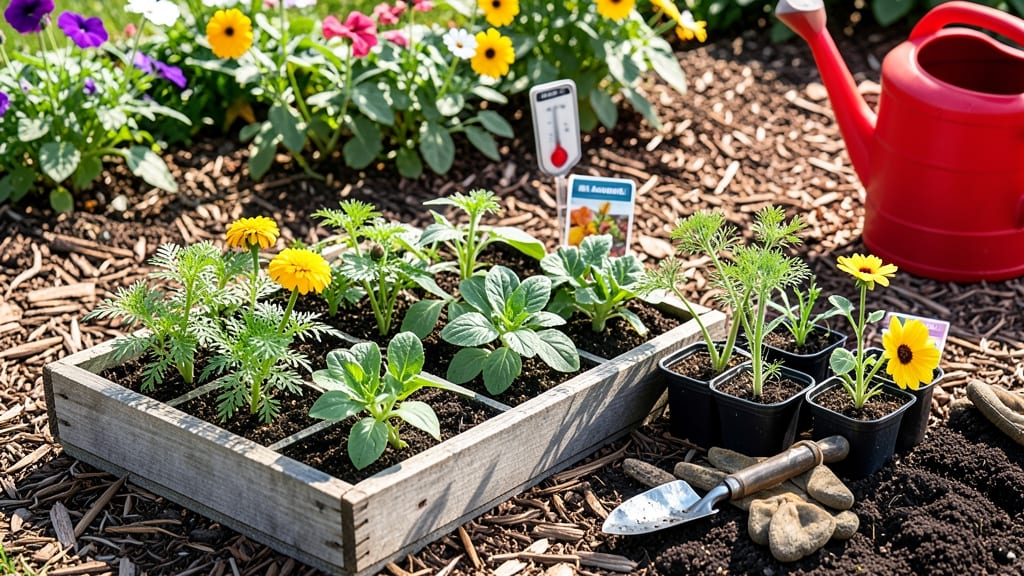
If you’ve ever watched your flowers 🌸 wilt before they even bloom in Arizona’s brutal heat, you’re not alone—but knowing when to plant flowers in Arizona is the secret to thriving desert gardens. The key isn’t just picking the right plants—it’s planting them at the perfect time.
Unlike cooler climates, Arizona’s Zone 9b offers a narrow window where flowers can establish roots without fighting extreme temperatures or monsoon downpours.
Fall is your golden opportunity—September through November—when soil stays warm enough for growth but temperatures are still mild. This is when heat-sensitive varieties like petunias and snapdragons thrive, while drought-resistant desert blooms like blanket flower and agave get a head start.
Winter planting (December-February) works for cold-hardy annuals, but summer? That’s a recipe for stress.
But here’s the catch: Arizona’s microclimates vary wildly. Low desert areas like Phoenix and Tucson have their own rules, while high desert regions like Flagstaff play by different timing.
I’ll break down exactly when to plant for your specific zone, plus pro tips to beat the heat and ensure your garden bursts with color—without the guesswork.
Ready to transform your yard into a year-round paradise? Let’s dive into the desert-proof planting schedule that’ll have your flowers blooming like never before.
Arizona’s best flower planting months by climate Zone
Arizona’s diverse climate zones mean your planting schedule depends heavily on whether you’re in the Low Desert (Phoenix, Tucson), High Desert (Flagstaff), or Sonoran region. Unlike frost-prone states, Arizona’s USDA Zone 9b lets you plant year-round—but timing still matters to beat extreme heat or monsoon rains.
Let’s break down the ideal planting windows for each zone.
In the Low Desert, where temperatures soar above 100°F in summer, the best time to plant is September through November for fall bloomers like marigolds and zinnias. This gives roots time to establish before winter.
Meanwhile, the High Desert (elevations above 5,000 feet) has cooler nights, allowing April to June and September to October as prime windows for perennials like blanket flower.
The Sonoran Desert, home to desert-adapted natives like agave and ocotillo, thrives with winter planting (December-February). These plants prefer cooler temps and minimal water, making them perfect for Arizona’s dry, frost-free winters.
Avoid planting in summer unless you’re sowing heat-tolerant annuals like lantana or portulaca, which can handle the heat but need extra shade.
⚠️ CRITICAL TIP: Always check your local microclimate. Urban areas like Phoenix can be 5-10°F warmer than rural zones, delaying frost risks. Use soil thermometers to confirm 60°F+ soil temps before planting seeds.
🌱 Arizona Flower Planting Calendar by Zone
| Zone | Best Planting Months | Flowers to Plant | Avoid Planting |
|---|---|---|---|
| Low Desert (Phoenix/Tucson) | Sep-Nov, Dec-Feb | Marigolds, Zinnias, Desert Roses, Bougainvillea | May-Aug (extreme heat) |
| High Desert (Flagstaff) | Apr-Jun, Sep-Oct | Blanket Flower, Penstemon, Columbine, Lavender | Jul-Aug (monsoon risks) |
| Sonoran Desert | Dec-Feb, Aug-Sep | Agave, Ocotillo, Palo Verde Flowers, Desert Marigold | Jun-Jul (scorching heat) |
💧 Pro Tip: Always mulch heavily (3-4 inches) to retain moisture and regulate soil temps in Arizona’s extreme heat.
For annual flowers, aim to plant 6-8 weeks before the first frost—though Arizona’s Zone 9b rarely sees frost, unexpected cold snaps can occur in High Desert areas. Perennials, like desert willow or yucca, should go in late fall to establish roots before summer’s intensity.
If you’re planting bulbs, like amaryllis, do it in October-November for spring blooms.
Monsoon season (July-August) brings sudden downpours and humidity spikes, which can drown shallow-rooted plants. If you must plant during this time, focus on drought-tolerant species like portulaca or verbena, and use swales or berms to manage water runoff. Seedlings planted in monsoon season often rot from overwatering, so opt for transplants instead.
In High Desert regions, where nights can drop below 40°F, extend your planting into early spring (March-April). Cool-season flowers like snapdragons and pansies thrive here, blooming beautifully before summer heat sets in.
Just be sure to harden off tender plants gradually to avoid transplant shock from rapid temperature swings.
One game-changer for Arizona gardeners is succession planting. Instead of one big planting in fall, stagger small batches every 2-3 weeks from September to November. This ensures continuous blooms and reduces competition for water and nutrients.
For example, plant zinnias in early September, followed by marigolds in October, and pansies in November for a year-round color show.
Don’t overlook container gardening for heat-sensitive flowers. Pots allow you to move plants to shadier spots during peak afternoon heat (2 PM–5 PM
Arizona’s best flower planting months by climate Zone
Arizona’s three distinct climate zones—Low Desert, High Desert, and Sonoran—each demand different planting strategies. The Low Desert (Phoenix/Tucson) has scorching summers and mild winters, while the High Desert (Flagstaff) experiences cooler nights and occasional frost.
Meanwhile, the Sonoran Desert near Yuma has extreme heat year-round. Timing your plantings to match these zones ensures your flowers thrive instead of struggle.
For Low Desert gardeners, the ideal window is September through November, when daytime temps hover around 85-95°F but nights cool down. This gives seeds and transplants time to establish roots before the 100°F+ summers hit.
In the High Desert, you can plant slightly earlier—August through October—thanks to cooler nights, but avoid late fall if frost is possible. Sonoran regions? Stick to winter planting (December-February) for heat-tolerant varieties.
🌱 Arizona Flower Planting Calendar by Zone
| Zone | Best Planting Months | Key Considerations | Example Flowers |
|---|---|---|---|
| Low Desert | Sep-Nov | Avoid summer heat; monsoon prep | Desert Marigold, Zinnias, Petunias |
| High Desert | Aug-Oct | Cooler nights; watch for frost | Blanket Flower, Snapdragons, Dahlias |
| Sonoran Desert | Dec-Feb | Extreme heat tolerance needed | Bougainvillea, Agave, Ocotillo |
If you’re in the Low Desert, prioritize fall planting for annuals like zinnias and marigolds, which bloom prolifically in cooler weather. For perennials like desert lavender, plant in winter (December-January) to take advantage of Arizona’s mild winters.
In the High Desert, you can push boundaries with cool-season crops like pansies, but always check your local frost dates—even Zone 9b can see light frosts in Flagstaff.
Pro tip: Use mulch to retain moisture during Arizona’s 100°F+ days. A 2-3 inch layer of organic mulch (like straw or wood chips) keeps soil cool and reduces water evaporation.
This is especially critical for newly planted flowers, which need consistent moisture to establish roots before the heat sets in.
For container gardening, timing shifts slightly. Containers heat up faster, so plant potted flowers in early September and move them to shaded areas during peak afternoon sun. Succulents and cacti are exceptions—they thrive when planted in spring (March-April), when soil temperatures are ideal for root growth.
Remember: Arizona’s monsoon season (July-September) brings intense but brief rainfalls. If you’re planting in late summer, choose drought-tolerant varieties like blanket flower or agave, which handle sudden downpours without rotting. For other flowers, water deeply before the monsoon hits to give them a head start.