
Plants
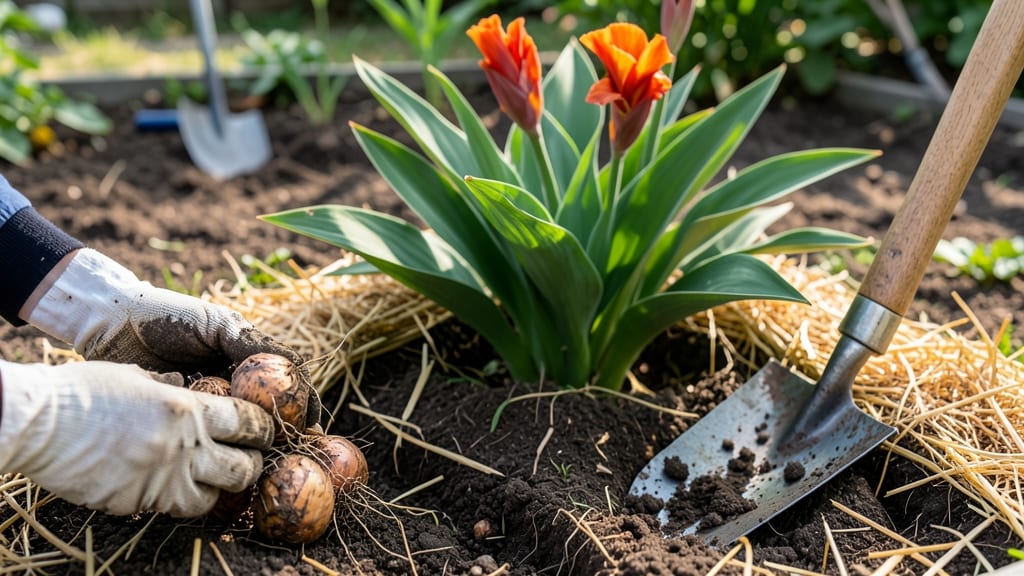
Timing your canna bulbs planting in Nebraska could mean the difference between a showstopping summer garden and a sad, frost-nipped disappointment. These tropical beauties 🌺 thrive in warmth but won’t tolerate even a light freeze—so getting the window right is everything.
Most Nebraska gardeners in Zones 5-6 should wait until after the last frost date (typically late May), but there’s more to it than just the calendar. Soil temperature plays a bigger role than you might think—cannas need the ground to warm up to at least 60°F before they’ll sprout reliably.
I’ve grown cannas in Nebraska for years, and I’ll show you exactly how to time it perfectly—whether you’re planting in-ground or in containers.
You’ll learn the critical deadlines by zone, how to protect your bulbs from late frosts, and even how to extend your growing season for those extra weeks of vibrant blooms.
Let’s dive into the frost-free window that’ll give your cannas the best possible start—and keep them thriving all summer long.
Nebraska’s ideal canna planting timeline by Zone 5-6 (with frost dates)
Nebraska’s last frost dates create a tight window for planting canna bulbs, but timing correctly ensures your tropical plants thrive. In Zone 5, aim for May 1–15 after the average frost date of April 15.
For Zone 6, plant between May 1–31 once soil warms to 60°F+. These dates align with Nebraska’s 165 frost-free days, giving cannas enough time to mature before fall frosts.
Cannas are USDA Zone 7–10 natives, so they struggle with Nebraska’s cold snaps. Planting too early risks frost damage or rot, while late planting may delay blooms until late summer.
Use soil thermometers to confirm readiness—wait until the ground stays consistently above 60°F for 3+ days. This threshold ensures rhizome viability and faster growth.
🌺
| Zone | Last Frost Date | Ideal Planting Window | Soil Temp Threshold | First Frost Risk |
|---|---|---|---|---|
| Zone 5a | April 15–May 1 | May 1–15 | 60°F+ (3 days) | October 15–30 |
| Zone 5b | April 20–May 5 | May 5–20 | 60°F+ (3 days) | October 10–25 |
| Zone 6a | May 1–15 | May 15–31 | 60°F+ (3 days) | October 5–20 |
| Zone 6b | April 25–May 10 | May 10–25 | 60°F+ (3 days) | October 1–15 |
For container-grown cannas, extend your planting window by 2–3 weeks earlier. Pots warm faster and can be moved indoors if frost threatens. In-ground plantings benefit from black plastic mulch or row covers to accelerate soil warming by 5–10°F.
Test your soil’s readiness by pressing your finger 2 inches deep—if it feels warm to the touch, it’s time to plant.
Pro tip: Mark your canna planting date on a garden calendar and count backward from your first frost date (typically October 15). Aim for a 120–150-day growing season to ensure full maturity. Varieties like ‘Striped’ or ‘Cleopatra’ bloom faster (90–110 days) and are better suited for Nebraska’s shorter season.
If you’re in a microclimate (e.g., urban heat islands or sheltered valleys), your frost dates may vary by 1–2 weeks. Check local CoCoRaHS weather stations or ask neighbors with established gardens for their frost observations. Adjust your planting timeline accordingly to avoid late-season surprises.
After planting, monitor your cannas for 3–5 days for signs of stress like yellowing leaves or stunted growth. These may indicate overwatering or poor drainage. Mulch with straw or shredded leaves to retain moisture and regulate soil temperature.
In Nebraska’s dry summers, mulch also prevents soil from cracking and protects rhizomes from heat stress.
🌱
For gardeners in Zone 5, consider starting cannas in biodegradable pots indoors under grow lights 4–6 weeks before your target planting date. Transplant seedlings outdoors after the last frost, giving them a 2–3 week head start.
This method is especially useful for late-blooming varieties like ‘Pactolus’, which need extra time to reach their 5–6 foot height.
Remember: Cannas are tropical plants at heart, so they reward patience. Planting at the
5 Critical factors that determine your exact Nebraska canna planting window
Nebraska’s variable climate means your exact canna planting window depends on more than just the calendar. While most gardeners aim for late May, microclimates and soil conditions can shift that date by weeks.
I’ve learned the hard way—planting too early in a cold spring can mean lost bulbs, while waiting too long might rob you of summer blooms.
Here are the 5 critical factors that’ll help you pinpoint the perfect time for your Nebraska garden. These adjustments can make the difference between a thriving canna display and a disappointing season.
- 🌡️ Soil Temperature: Wait until the ground reaches 60°F+ (use a soil thermometer—don’t guess!). In Nebraska, this often means late May to early June, especially in colder Zone 5 areas.
- 🌿 Last Frost Date: Check your local USDA frost map—Zone 5 typically sees frost until May 15, while Zone 6 may be safe by May 1. But don’t rely solely on averages!
- 🏡 Microclimate: Urban areas warm faster than rural spots. A south-facing wall or black plastic mulch can create a 2-3 week earlier planting window in the right spot.
- 🪴 Container vs. In-Ground: Potted cannas can be planted 2-3 weeks earlier since containers warm up faster. Just move them indoors if frost threatens!
- 🌱 Bulb Chilling: Store bulbs in a cool, dark place (like a garage) for 4-6 weeks before planting to mimic winter dormancy—this boosts early growth.
Let’s break down how these factors interact. For example, if you’re in Lincoln (Zone 5b) with a south-facing garden bed, you might safely plant by May 10. But in Omaha (Zone 5a), even with black plastic mulch, you’ll likely need to wait until May 25.
Pro tip: Use row covers or cloche tunnels to extend your window by 10-14 days if you’re eager to plant early. I’ve had success with these in Zone 5**—just remove covers when plants are 6 inches tall to avoid overheating.
Remember, cannas are tropical plants at heart. They’ll refuse to sprout in cold soil, no matter how late you plant. The key is balancing soil warmth, frost risk, and your local growing conditions. With these factors in mind, you’ll nail the perfect timing every time.