Plants
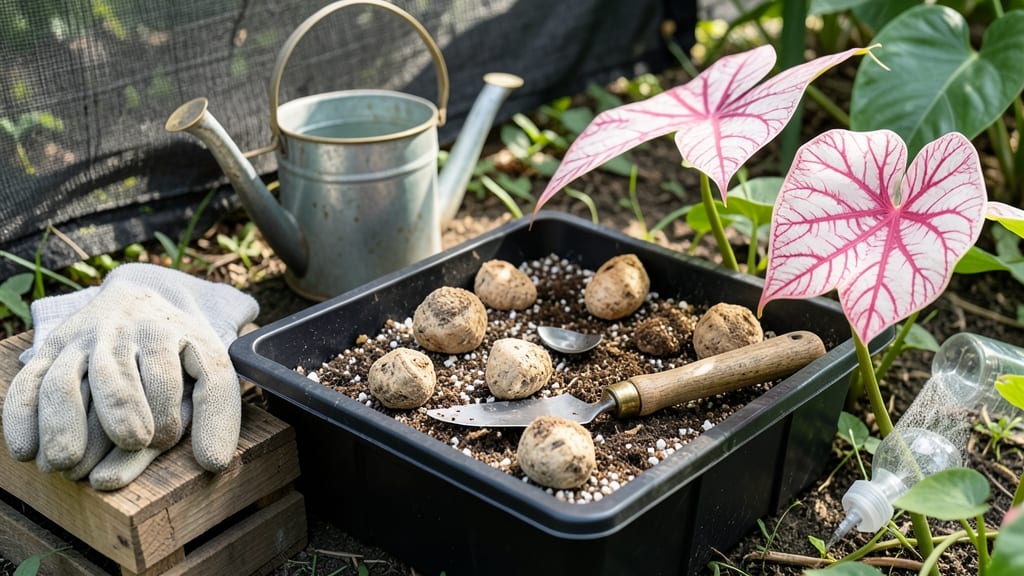
If you’ve ever watched your caladium bulbs 🌿 wilt under Florida’s relentless spring sun, you’re not alone—planting them at the wrong time turns vibrant foliage into a sad, crispy mess.
The key to stunning, heat-resistant caladiums lies in waiting for the perfect moment when soil warms just enough to fuel their growth without scorching their roots.
Florida’s frost-free winters and blazing springs create a unique challenge for gardeners. Unlike cooler climates, you can’t just wait for spring—you need to time it precisely, ideally between March and April, when soil temperatures hit 65°F+ and the last frost threat has vanished.
This window ensures your caladiums thrive before summer’s peak heat arrives.
But here’s the catch: rushing too early means soggy soil and stunted growth, while delaying risks missing the ideal planting window entirely. I’ll break down the exact signals to watch for—like soil warmth and humidity levels—and share pro tips to protect your plants once they’re in the ground.
Ready to transform your garden into a lush, shade-loving paradise?
Whether you’re a seasoned gardener or a first-timer, mastering this timing will give you the edge to grow caladiums that stand out in Florida’s competitive landscape. Let’s get those bulbs in the ground the right way—before the heat takes over.
Optimal caladium planting timeline in Florida’s climate Zones
Florida’s climate zones—ranging from 8a in the Panhandle to 11 in the Keys—create a tricky dance for caladium bulbs. Unlike northern states, we don’t have to worry about frost damage, but soil temperature and humidity spikes dictate the perfect window.
Planting too early risks rot from cool, wet soil, while waiting too long means missing the spring foliage rush before summer’s brutal heat.
For North Florida (Zones 8-9), aim for mid-March to early April when soil temps consistently hit 65°F+.
In Central Florida (Zone 10), you’ve got flexibility—late February to mid-April works, but avoid January unless you’re in a microclimate with warmer soil. South Florida (Zones 10b-11) gardeners can plant as early as mid-February, but beware of unpredictable rain that can delay planting.
Caladiums are heat-loving tubers, not bulbs, and they hate soggy soil. The key is waiting until the last frost risk passes (usually mid-January in North Florida) and soil is warm enough to support root growth.
A simple trick? Bury a thermometer in the soil—if it reads 65°F+ at 4 inches deep for 3 days straight, it’s go time.
Early varieties like ‘White Queen’ can handle mild spring chill, but tropical hybrids (think ‘Candidum’ or ‘Pink Fancy’) thrive only when soil is consistently warm. Pro tip: Pre-warm your soil by covering beds with black plastic mulch 2-3 weeks before planting to jumpstart root growth.
Here’s the golden rule: Plant caladiums in Florida after the last frost but before Memorial Day. Why? Summer’s intense sun and humidity can stress new plants, and late spring gives them time to establish before the dog days of July.
For container growing, you’ve got a 2-week buffer—just ensure pots have drainage holes and use lightweight potting mix.
🌱 Florida Caladium Planting Timeline by Zone
| Zone | Ideal Planting Window | Soil Temp Threshold | Key Considerations |
|---|---|---|---|
| 8a-9a (North FL) | Mid-March to Early April | 65°F+ for 3+ days | Wait for last frost (usually mid-Jan) |
| 9b-10a (Central FL) | Late February to Mid-April | 60°F+ (earlier for containers) | Avoid planting in soggy spring soil |
| 10b-11 (South FL) | Mid-February to Early April | 65°F+ (sooner in microclimates) | Watch for sudden rain delays |
✅ Pro Tip: Use a soil thermometer to confirm readiness—caladiums won’t sprout in cold soil!
If you’re in Zone 10b or higher, you might spot caladiums blooming year-round in ideal conditions, but spring planting ensures the most vibrant foliage before summer’s heat sets in.
For North Florida gardeners, consider starter plants from nurseries in late April if your soil stays cool—this skips the waiting game entirely.
One common mistake? Planting caladiums too deep. These tubers need 4-6 inches of coverage, but burying them deeper can cause rot. Space them 12-18 inches apart in beds or 6-8 inches apart in containers to allow for foliage expansion.
In Florida’s humid climate, mulch heavily with pine straw or cypress mulch to retain moisture and prevent fungal issues.
For extended blooms, time your planting to avoid the hottest afternoons. If you plant in May, expect slower growth and less vibrant leaves—the ideal window is March-April, when temperatures are mild and rainfall is steady.
This gives your caladiums 6-8 weeks of ideal conditions before summer’s intense sun kicks in.
Remember: Caladiums are not frost-hardy, but they do go dormant in Florida’s cooler months
Signs your Florida soil is ready for caladium bulbs (and when to wait)
Planting caladium bulbs too soon in Florida’s unpredictable spring weather can stunt growth or invite rot. The key is waiting for soil temperatures above 65°F—a threshold caladiums need to thrive. But how do you know when your soil is truly ready? Here’s how to test it without fancy tools.
First, check the last frost date in your Florida zone. North Florida (Zones 8-9) typically waits until mid-April, while South Florida (Zones 10-11) can plant as early as late February. However, frost isn’t the only factor—soil warmth matters more for caladiums.
🌱 Visual Element: Callout-Warning
⚠️ Warning: Planting Too Early
Cold soil (<65°F) causes bulb rot and stunted growth. Florida’s unpredictable spring rains can also delay soil warming. Wait for consistent warmth before planting.
To test soil warmth, use the sock method: Bury a dark-colored sock in the garden for 24 hours. If it feels warm to the touch when pulled out, your soil is ready. Alternatively, use a soil thermometer—caladiums need 65-75°F soil to sprout reliably.
Another critical sign is humidity levels. Caladiums love moisture, but soggy soil after Florida’s spring showers can suffocate bulbs. Wait until the ground dries slightly between rains—aim for well-draining, slightly damp soil at planting time.
If you’re in North Florida (Zones 8-9), also watch for late-season frost warnings. Even after soil warms, a surprise frost can damage emerging shoots. Use row covers or plant in containers for extra protection if frost risk lingers.
For South Florida gardeners (Zones 10-11), the biggest risk isn’t frost but early summer heat. Plant caladiums in partial shade to prevent leaf scorch. Mulch with 3-4 inches of organic mulch (like pine straw) to retain moisture and regulate soil temperature.
Once your soil passes these tests, plant caladium bulbs 4-6 inches deep in rich, well-draining soil. Water deeply after planting to encourage root growth, and keep the soil consistently moist until foliage emerges—usually within 2-4 weeks in ideal conditions. 🌿