
Plants
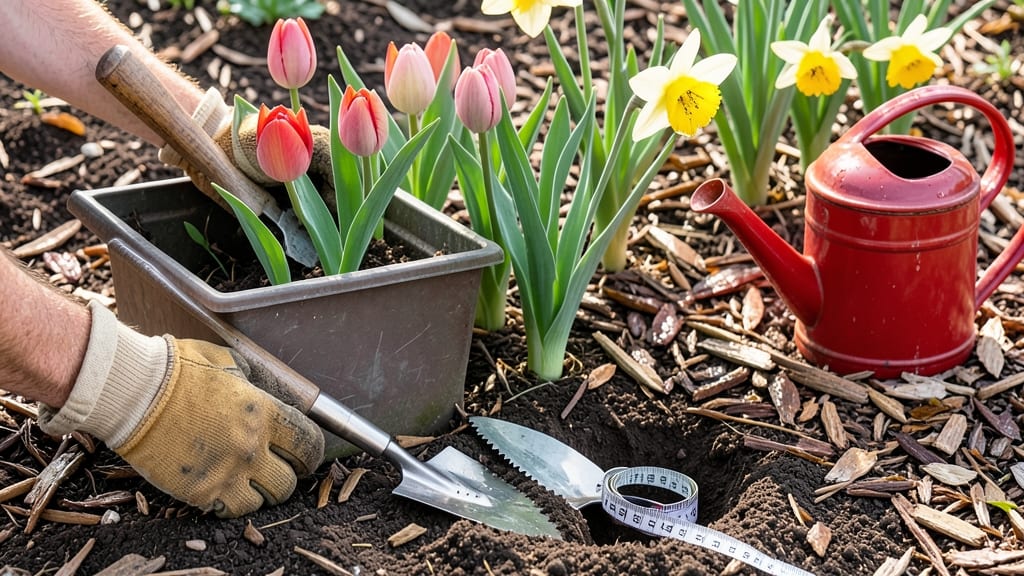
Timing your spring bulb planting just right is the secret to those showstopping blooms that make your garden pop—but get it wrong, and you might end up with nothing but disappointment.
The narrow window between late winter and early spring can feel confusing, especially when frost dates and soil temperatures seem to shift every year.
I’ve learned the hard way that planting too early risks frost damage, while waiting too late might mean missing the ideal conditions for root growth. Whether you’re in a chilly Zone 6a or a milder climate, knowing the exact months to plant your 🌷 Spring-Planted Bulbs makes all the difference.
Let’s cut through the guesswork and get you the precise timing your garden deserves.
Most gardeners assume they should wait until the last frost has passed—but that’s not always the case. The truth? Some bulbs, like daffodils, can handle cooler soil, while others, like tulips, need warmer temperatures to thrive.
I’ll break down the best months for your zone and share the subtle clues (like soil temperature and moon phases) that tell you when it’s really time to dig.
By the end of this guide, you’ll know exactly when to plant for bold, vibrant blooms—plus how to prep your soil and avoid the 5 biggest mistakes that kill spring bulb success. Ready to transform your garden? Let’s get started.
Spring bulb planting calendar by USDA hardiness Zones
Planting spring bulbs at the right time ensures your garden bursts into color, but the perfect window varies dramatically by USDA zone. Whether you’re in the frosty Zone 3 or the milder Zone 10, timing matters more than most gardeners realize.
I’ve planted bulbs across Zones 4-8 and learned that even a 2-week difference can mean the difference between thriving blooms and flopping foliage.
The general rule? Most spring bulbs—like tulips, daffodils, and hyacinths—should go in the ground 4-6 weeks before the last frost date. This gives roots time to establish before the ground warms up.
But here’s the catch: Soil temperature, not air temperature, is the real indicator. Bulbs need 40-50°F soil to start growing, which often happens before the last frost.
For example, in Zone 5, where last frosts often hit mid-April, I plant most bulbs in late March. In Zone 9, with milder winters, the window stretches into early February.
Below is a zone-by-zone breakdown of the best months to plant, so you can avoid the common pitfalls of planting too early or too late.
🌱
Notice how the soil temperature goal rises as you move south? That’s because warmer climates heat up faster, and bulbs can rot if planted in overly warm soil.
In Zone 10, for instance, planting in March might be too late—bulbs could sprout too early and get fried by 90°F+ soil.
One pro tip I swear by: Use a soil thermometer (they’re cheap!) to check temps before planting. Aim for the lower end of the range for your zone. For example, in Zone 6, I wait until the soil hits 45°F—even if the air is already 60°F.
Also, don’t overlook moon phases. Many gardeners swear by planting bulbs during the waxing moon (when the moon is growing) for better root development. While science isn’t conclusive, I’ve noticed a slight edge in bloom vigor when I follow this tradition.
Finally, local microclimates matter. A north-facing slope in Zone 7 might stay cool enough to plant in April, while a south-facing bed could be ready in March. Always scout your garden a few days before planting to check for frost pockets or warm spots.
🌷
How to tell when your local soil is ready for spring bulbs
Most gardeners wait for the last frost date before planting spring bulbs, but that’s only half the story. The real key lies in your soil temperature and moisture levels—both of which can vary wildly even within the same USDA zone.
I’ve found that planting too early (when soil is still chilly) can stunt root growth, while waiting too late might mean bulbs struggle to establish before summer heat arrives.
For example, daffodils and hyacinths can tolerate cooler soil (around 45°F), while tulips and alliums prefer soil that’s warmed to at least 50°F. Ignoring these details is how you end up with weak stems or no blooms at all.
Let’s dive into the 3 foolproof ways to check your soil’s readiness—no guesswork required.
🌱 3 Signs Your Soil Is Ready for Spring Bulbs
- Soil Temperature: Use a soil thermometer (insert 4" deep) to confirm temps are 45-60°F for most bulbs.
- Frost Risk: Check your local frost charts—plant when nighttime temps stay above 32°F for 2+ weeks.
- Moisture Level: Soil should be damp but not soggy (like a wrung-out sponge). Waterlogged soil = rot.
Don’t rely on calendar dates alone—those can mislead you. Instead, combine these checks for accuracy. For instance, in Zone 6a, I’ve planted tulips in early April when soil hit 50°F, even though the last frost was mid-April.
The result? Sturdier stems and bigger blooms than neighbors who waited until May.
Another trick I swear by? The "squeeze test". Grab a handful of soil—if it crumbles easily when dry but holds shape when damp, it’s perfect. Too crumbly?
Add compost. Too sticky? Mix in sand or perlite for drainage. Poor drainage is the #1 reason spring bulbs fail, so never skip this step.
If you’re unsure about your soil’s readiness, wait 1-2 weeks. Bulbs won’t spoil in the fridge (store them in a cool, dark place), and rushing leads to disappointment. Patience here pays off with healthier roots and longer-lasting blooms.
Finally, pay attention to local microclimates. A south-facing slope warms up faster than a shady corner, so adjust your timing accordingly. Use these clues to nail your planting window—and watch your garden transform into a springtime paradise.