
Companion Plants
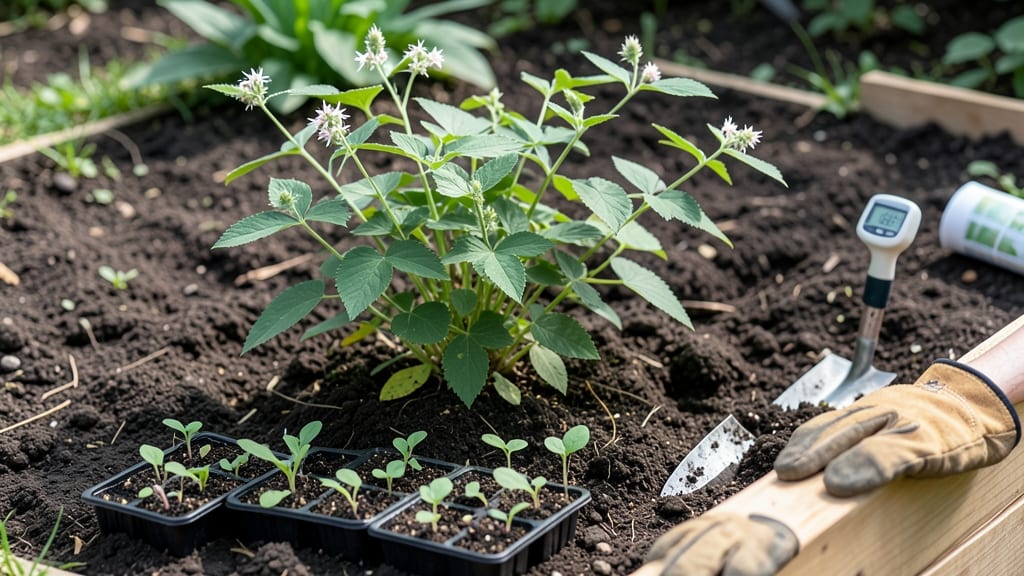
If you're wondering "when to plant buckwheat in PA", timing is the secret to unlocking this fast-growing crop's full potential. Buckwheat thrives in Pennsylvania's short growing season but demands precision—plant too early and frost will nip it, too late and you'll miss the harvest window.
This hardy annual isn't just a cover crop—it's a triple threat as grain, green manure, and pollinator magnet. With Pennsylvania's zones 5b-7a offering just 165 frost-free days, every week counts.
The ideal window opens in late spring when soil warms to 60°F, typically May-June across most of the state.
What makes buckwheat special is its 30-60 day growth cycle—fast enough to squeeze in multiple harvests if you time it right. Whether you're planting for soil health or homegrown grain, we'll break down the exact deadlines by zone and share pro tips to maximize your yield before fall frost hits.
Ready to transform your garden? Let's dive into the perfect planting schedule that works with Pennsylvania's climate—not against it—for a bumper crop of 🌾 buckwheat this season.
Buckwheat planting deadlines by Pennsylvania hardiness zones 5-7
Pennsylvania’s USDA Zones 5-7 offer a 165-day frost-free window, but buckwheat’s 45-day growth cycle demands precision. Plant too early, and cold snaps stunt growth; too late, and you’ll miss the golden-brown grain harvest before frost. Let’s break down the exact planting deadlines for each zone.
For Zone 5b (e.g., Pittsburgh), the last frost date typically falls around April 15, while Zone 7a (e.g., Philadelphia) sees frost as late as May 1. Buckwheat thrives when soil temperatures hit 60°F (15°C), usually by mid-May in Zone 5b and early May in Zone 7a.
Here’s the critical planting window to maximize yields: late May to early July. This ensures buckwheat matures before the first frost in October. For example, a June 1 planting in Zone 6 will yield harvest-ready grains by mid-July, leaving room for a second planting if needed.
| Zone | Last Frost Date | Ideal Planting Window | Harvest Window | Soil Temp Requirement |
|---|---|---|---|---|
| 5b (e.g., Pittsburgh) | April 15 | Late May–Early June | Late July–Early August | 60°F+ (15°C+) |
| 6a (e.g., Harrisburg) | April 22 | Early May–Mid-June | Late June–Mid-August | 60°F+ (15°C+) |
| 7a (e.g., Philadelphia) | May 1 | Mid-May–Late June | Early July–Late August | 60°F+ (15°C+) |
Pro tip: Use a soil thermometer to confirm 60°F+ soil temps before planting. In Zone 5b, wait until late May to avoid cold-sensitive seedlings. For Zone 7a, you can push planting to early July for a late-summer harvest, but expect smaller yields.
Buckwheat’s fast growth cycle (30–60 days) makes it ideal for succession planting. After your first harvest, replant by mid-July in Zone 5b or early August in Zone 7a to squeeze in a second crop before frost. This strategy works especially well for cover crop purposes or forage production.
If you’re using buckwheat as a green manure, aim for a late-July planting in Zone 6. This gives it time to grow, fix nitrogen, and decompose before winter—boosting soil health without competing with fall crops. Just mow it down before it seeds to prevent volunteer plants next spring.
For grain production, prioritize June plantings across all zones. This ensures grains mature before October’s first frost. In Zone 5b, a June 15 planting typically yields by late July, while Zone 7a can extend harvests into early September with a July 1 planting.
Always check your local Pennsylvania State Extension for microclimate adjustments. Urban areas like Philadelphia may have 2–3°F warmer soil temps than rural zones, allowing slightly earlier plantings. Conversely, high-elevation areas (e.g., Pocono Mountains) may need to delay until mid-June.
Remember: Buckwheat’s nitrogen-fixing roots thrive in poor soils, but it still needs full sun (6+ hours) and moderate water. Plant in well-draining soil to avoid rot, especially after heavy rains.
With the right timing, you’ll enjoy high yields of gluten-free grain and improved soil fertility—all before frost sets in.
Signs your Pennsylvania buckwheat planting timing is perfect (or wrong)
Getting the timing right for buckwheat in PA means watching for specific soil and weather cues that signal it's go-time. The most critical sign is soil temperature—when it consistently hits 60°F (15°C) at 4 inches deep, your seeds are ready to sprout.
Use a soil thermometer to confirm, especially in cooler Zone 5 areas where late frosts linger.
Another key indicator is weed competition. If weeds are already sprouting vigorously, your buckwheat will struggle to establish roots. Aim to plant when weeds are just starting to pop up but haven't yet taken over—typically late May to early June in most of PA.
This timing gives your buckwheat a head start while keeping weeds manageable.
Pay attention to rainfall patterns too. Buckwheat thrives with consistent moisture but can't handle soggy soil. Plant when you've had 1-2 weeks of steady rain or plan to irrigate immediately after sowing.
A dry spell right after planting can leave seeds high and dry, while too much rain can cause rot.
Here's what to watch for if your timing is off—these red flags mean it's time to adjust your approach:
⚠️ Common Buckwheat Planting Mistakes in PA
- Planting too early: Seeds rot in cold soil (<55°F). Look for frost-free soil first!
- Waiting too late: Buckwheat needs 45-60 days to mature—late starts mean frost risk.
- Ignoring soil prep: Buckwheat thrives in loose, well-draining soil. Compacted or clay-heavy soil = poor germination.
- Overcrowding seeds: Space seeds 6-12 inches apart for proper airflow and growth.
For Zone 5 gardeners, add an extra layer of caution: monitor local frost forecasts and have a row cover ready. A late frost can devastate young plants, so planting after May 15 gives you a buffer.
In Zones 6-7, you have more flexibility but still need to beat the first frost by at least 60 days.
Pro tip: Plant a test row 1-2 weeks before your target date. If the test row thrives, you've nailed the timing! If it struggles, wait another week and try again. This simple trick saves you from wasting seeds and effort on a failed crop.
Remember, buckwheat's fast growth cycle is your friend—it can recover from minor timing missteps, but major errors (like planting in cold soil or waiting too late) can cut your yield by 50% or more.
Stay alert, and your garden will thank you with a bountiful harvest of golden grains by late summer. 🌾