Plants
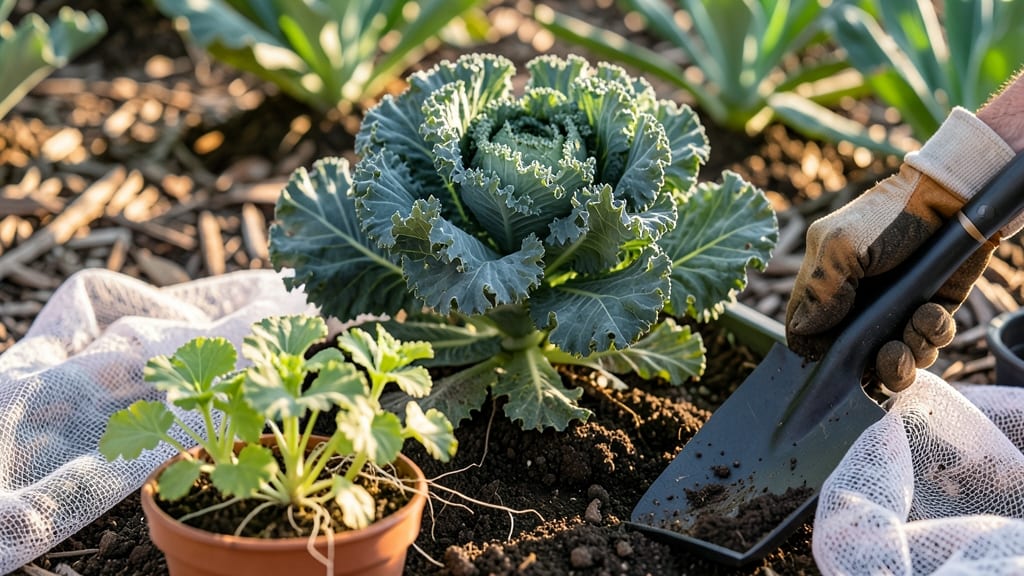
Timing your brassicas planting in Michigan can mean the difference between a thriving harvest and wasted effort. Whether you're growing kale 🥬, broccoli, or Brussels sprouts, getting the start dates right is the key to avoiding frost damage and maximizing your garden's potential.
Michigan's 5b-6b climate gives you two prime windows for planting: spring (mid-March to early May) and fall (early August to mid-September). But here's the catch—planting too early risks frost-killed seedlings, while waiting too long might cut your harvest short.
Let me break down the exact frost-free start dates you need to know.
You'll discover how to align your planting schedule with Michigan's last frost dates (typically around April 15) and first frost dates (around October 15).
I'll also share my top strategies for extending your growing season, so you can enjoy fresh brassicas from late spring through early summer and into late fall.
Ready to transform your garden? By the end, you'll have a clear planting calendar tailored to Michigan's climate, plus tips for choosing the best varieties and protecting your plants from unexpected weather. Let's get those brassicas growing!
Michigan brassica planting calendar: frost-free start dates by variety
Michigan’s cool-season climate demands precise timing for brassicas like kale, broccoli, and cabbage. Planting too early risks frost damage, while late starts may leave you with bitter, bolting plants. The key? Align your schedule with USDA zones 5b-6b and Michigan’s average last frost date (April 15).
Brassicas thrive in spring and fall, with two planting windows: mid-March to early May for spring crops and early August to mid-September for fall harvests. Each variety has unique needs—fast-maturing types like broccoli can handle late starts, while slower growers like Brussels sprouts need an early head start.
🥬 Michigan Brassica Planting Summary
| Variety | Spring Planting Window | Fall Planting Window | Days to Maturity | Notes |
|---|---|---|---|---|
| Kale | Mid-March to early April | Early August to mid-Sept | 50-70 days | Cold-hardy; harvest young leaves for tenderness. |
| Broccoli | Late March to early May | Mid-August to early Sept | 60-80 days | Plant early for spring; late varieties work for fall. |
| Cabbage | Early April to mid-May | Early August to mid-Sept | 70-100 days | Slow grower; start seeds indoors for spring. |
| Brussels Sprouts | Late March to early April | Early August | 90-120 days | Long season; best for fall harvests. |
| Cauliflower | Mid-April to early May | Late July to early Aug | 70-90 days | Sensitive to heat; avoid summer planting. |
For spring plantings, aim to transplant seedlings 4-6 weeks before Michigan’s last frost. Use row covers if planting early to protect tender shoots. In southern Michigan (zone 6b), you can push starts slightly later, but northern areas (zone 5b) need extra caution.
Fall brassicas require 8-10 weeks before the first frost (Oct 15). Prioritize fast-maturing varieties like turnip greens or radish companions to squeeze in a harvest before winter. Soil temperatures below 50°F slow growth, so warm up beds with black plastic mulch 1-2 weeks before planting.
Michigan’s unpredictable weather means frost can linger into May or arrive early in October. Check your local Michigan State University Extension frost dates annually, as climate shifts are altering traditional timelines. For example, Traverse City’s last frost now averages May 10, while Detroit’s is closer to April 25.
Succession planting is a game-changer for brassicas. Sow small batches every 2 weeks from April to June for a continuous harvest. This works especially well for leafy greens like kale, which tolerate light frosts and can be harvested multiple times per plant.
Pro tip: Direct-sow seeds for hardier varieties like collards or arugula—they germinate faster and stronger than transplants. Use a seedling heat mat if starting indoors to ensure consistent germination in cool Michigan basements.
Always test your soil’s pH (6.0-7.0) before planting. Brassicas love nitrogen-rich soil but can suffer from clubroot disease in acidic conditions. Amend with lime or compost if needed, and rotate crops annually to prevent soil-borne pathogens.
Michigan brassica planting calendar: frost-free start dates by variety
Michigan’s cool-season climate makes brassicas like kale, broccoli, and cabbage perfect for spring and fall gardens. But timing is critical—plant too early, and frost will kill seedlings; too late, and you’ll miss the harvest.
I’ve mapped out the ideal frost-free start dates for each variety based on Michigan’s USDA zones 5b-6b and average last frost date of April 15.
For spring plantings, aim to start seeds 4-6 weeks before your last frost date. This means mid-March to early April for most of Michigan. Fall plantings should begin 8-10 weeks before the first frost (around October 15), so plan to sow seeds in early to mid-August.
These windows ensure your plants mature before cold snaps hit.
| Variety | Spring Planting Window | Fall Planting Window | Days to Maturity |
|---|---|---|---|
| Kale | Mid-March to early April | Early August to mid-August | 50-60 days |
| Broccoli | Late March to early April | Mid-August to early September | 60-70 days |
| Cabbage | Early April to mid-April | Late July to early August | 70-90 days |
| Brussels Sprouts | Late March (start indoors) | Early August (start indoors) | 90-100 days |
| Cauliflower | Mid-March to early April | Early August to mid-August | 70-80 days |
Notice how Brussels sprouts and cabbage require longer growing seasons? These varieties need extra time to mature, so starting them indoors or under row covers can help. For faster results, opt for early-maturing varieties like ‘Quick Cut’ kale or ‘Calabrese’ broccoli, which thrive in Michigan’s shorter growing windows.
Pro tip: Use succession planting for continuous harvests. Sow a new batch of fast-growing kale or radishes every 2-3 weeks after your initial planting. This keeps your kitchen stocked with fresh greens all season long.
Always check your local frost dates—they can vary by 1-2 weeks depending on your specific Michigan region. For example, northern Michigan’s last frost might be as late as May 1, while southern areas can plant earlier. Adjust your schedule accordingly to avoid frost damage.
With these frost-free start dates, you’ll have healthy brassicas ready for harvest just as Michigan’s summer heat arrives—or again in the fall before the first frost. Happy planting! 🌱