
Plants
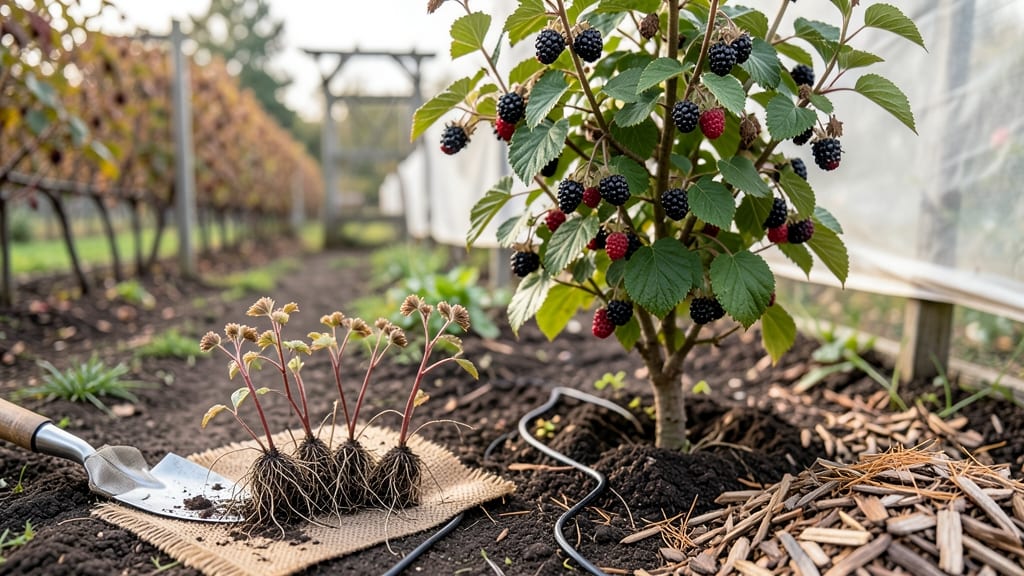
Optimal planting windows for Indiana blackberries (USDA Zone 5b)
Indiana’s USDA Zone 5b climate creates a tight window for planting blackberries—miss it, and your canes may struggle with late spring frosts or summer heat stress. The ideal time frames are early spring (March-April) or late fall (October), but timing depends on soil temperature and frost risk.
Let’s break down the best strategies to ensure your blackberries thrive.
For spring planting, aim to get blackberries in the ground 4-6 weeks before your last expected frost date (typically around April 15 in Indiana). This gives roots time to establish before summer heat arrives.
If you plant too early, cold soils can stunt root growth, while planting too late risks frost damage to emerging canes.
Fall planting is another viable option, but you must plant 6-8 weeks before the first frost (usually by October 1). This allows roots to anchor before winter dormancy. However, avoid planting in late fall when soils are freezing—roots won’t establish properly.
Here’s how Indiana’s climate impacts your planting timeline:
| Planting Window | Ideal Soil Temp | Frost Risk | Root Establishment |
|---|---|---|---|
| Early Spring (March-April) | 40-50°F (4-10°C) | Moderate (late frosts possible) | 4-6 weeks before last frost |
| Late Fall (October) | 50-60°F (10-15°C) | Low (before first frost) | 6-8 weeks before first frost |
If you’re planting bare-root canes, spring is often the best choice because fall-planted bare-root canes may dry out before winter. However, potted blackberries can handle fall planting more easily since their roots stay moist.
Always check the root flare (where roots meet the stem) to ensure it’s 1-2 inches above soil level.
For container gardening, extend your planting window by 2-3 weeks earlier in spring or later in fall, as pots warm up faster. Just ensure containers have drainage holes and use a lightweight potting mix to prevent root rot.
Containers also let you move plants to protected microclimates if frost threatens.
Indiana’s microclimates can shift planting deadlines by weeks. For example, northern Indiana (Zone 5a) may need to delay spring planting until mid-April, while southern Indiana (Zone 6a) can plant as early as late March. Check local frost data to fine-tune your schedule.
After planting, mulch with 2-3 inches of straw or wood chips to retain moisture and regulate soil temperature. This is especially critical in Indiana’s hot summers and cold winters, where soil temps can swing 50°F+ in a single day. Mulch also suppresses weeds, reducing competition for nutrients.
Pro tip: Plant thornless varieties like ‘Natchez’ or ‘Arapaho’ if you’re new to blackberries—they’re easier to harvest and less likely to scratch during Indiana’s humid summers. These varieties also handle late spring frosts slightly better than traditional types.
Finally, avoid planting blackberries in low-lying areas where cold air pools, increasing frost risk. Instead, choose a south-facing slope or raised bed for better warmth and drainage. With the right timing and site, your blackberries will reward you with juicy, homegrown berries for years to come. 🫐
Critical preparation steps before planting blackberries in Indiana
Before you plant blackberries in Indiana, soil preparation is the foundation of success. Blackberries thrive in well-draining, slightly acidic soil with a pH between 5.5 and 6.5. Indiana’s clay-heavy soils often need amendments to improve drainage and fertility.
Start by testing your soil—most Indiana Extension offices offer affordable kits or free advice. If your soil is too alkaline, add sulfur or peat moss to lower the pH gradually.
Choose a sunny, sheltered location with at least 6-8 hours of sunlight daily. Blackberries need warmth to ripen fruit, but they also appreciate wind protection to prevent cane damage.
Avoid low spots where cold air pools, as late spring frosts can devastate young canes. A south-facing slope or raised bed works beautifully in Indiana’s climate.
Here’s your step-by-step prep