
Plants
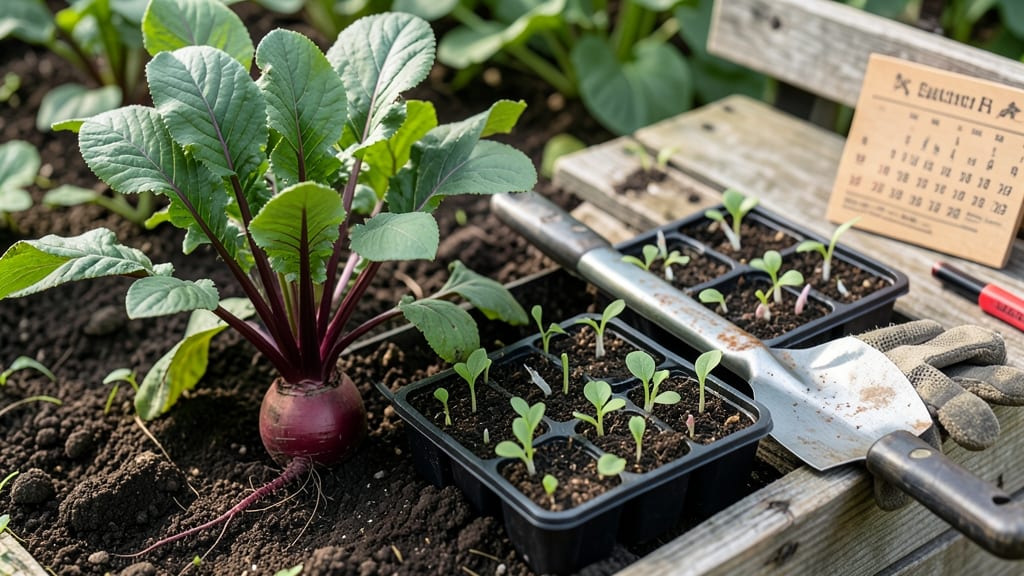
Timing your beet🍠 planting in Connecticut can make or break your harvest—get it wrong, and you’ll end up with bitter, woody roots instead of sweet, tender gems.
The key lies in understanding your Zone 6a climate, where last frost typically arrives around April 15 and summer heat can turn your crop into a tough challenge.
Most gardeners in CT plant their beets twice a year: once in early spring (March 15–May 1) and again in late summer (July 15–August 15). This two-pronged approach ensures you’ll have fresh beets from June through November, avoiding the pitfalls of both early frost and scorching summer temperatures.
But here’s the catch: not all varieties thrive in CT’s short growing season. Fast-maturing types like Detroit Dark Red or Chioggia are your best bet—they’ll reach harvest size in just 50–60 days, giving you that perfect window between frost and heat.
Ready to grow beets that taste like summer? I’ll walk you through the exact planting schedule, soil prep, and variety choices that work best for Connecticut’s unpredictable weather—so you can enjoy a steady supply of homegrown goodness all season long.
Optimal beet planting dates in CT Zone 6B: frost-free deadlines explained
Connecticut’s Zone 6B climate creates a tight window for planting beets, where last frost dates and soil temperatures dictate success. Unlike some crops, beets thrive in cooler weather, but they also need warmth to germinate.
In my experience, mastering these planting deadlines means the difference between a bountiful harvest and wasted seeds.
For spring planting, I start seeds indoors or sow directly in the garden as early as late March, but only if the ground isn’t frozen. The real magic happens after the average last frost date—around April 15—when soil temperatures consistently reach 45°F.
This timing ensures your beets won’t bolt too quickly in the heat or get fried by a surprise frost.
Here’s the summary-table with my proven planting schedule for Connecticut:
| Planting Window | Key Considerations | Soil Temp Requirement | Harvest Window |
|---|---|---|---|
| Spring (Direct Sow) | March 15–April 15 (indoors) or April 15–May 1 (outdoors) | 45°F+ (consistent) | June–October |
| Spring (Transplant) | April 15–May 1 (after last frost) | 50°F+ (warmer soil) | July–October |
| Late Summer (Succession) | July 15–August 15 | 55°F+ (cooler soil tolerated) | September–November |
| Fall (Extension) | August 15–September 15 (for overwintering) | 50°F+ (before first frost) | October–November |
🌱 Pro Tip: Use row covers to extend spring planting by 2–3 weeks!
If you’re planting in late summer for a fall harvest, aim for July 15–August 15. This second window works because beets can handle cooler soil temperatures better than many other crops.
Just be sure to pick a fast-maturing variety (like Detroit Dark Red) to avoid woody roots before the first frost hits around October 15.
For gardeners in microclimates—like coastal areas or higher elevations—adjust by 1–2 weeks. Coastal CT (e.g., New London) tends to warm up faster, while inland areas (e.g., Hartford) may need to wait until mid-April for safe planting. Always check the 7-day soil temperature forecast before sowing.
One common mistake I see is planting beets too close to summer heat. Temperatures above 80°F cause bolting (flowering), which ruins the tender roots. To avoid this, I stagger plantings every 2 weeks in spring and every 3 weeks in late summer.
This ensures a steady supply of fresh beets without the risk of bolting.
Before planting, I always test my soil pH—beets prefer 6.0–7.0. If your soil is too acidic, add lime in the fall or wood ash in spring. Amending the soil with compost also improves drainage, which is critical for preventing root rot in Connecticut’s clay-heavy soils.
For overwintering beets, I plant a final succession in mid-August using cold-hardy varieties like Boltardy. These beets can survive light frosts and even sweeten after exposure to cold. Just mulch heavily with straw to protect them from freezing temperatures.
Remember, beet seeds are tiny—don’t bury them deeper than ½ inch! Thin seedlings to 3–4 inches apart once they’re 2–3 inches tall to give roots room to grow. With these frost-free deadlines and soil prep tips, you’ll be harvesting sweet, tender beets all season long.
Optimal beet planting dates in CT Zone 6B: frost-free deadlines explained
Connecticut’s Zone 6B climate means you have just 165 frost-free days—so timing your beet plantings is critical. The last average frost date is around April 15, and the first frost typically arrives October 15.
To maximize your harvest, focus on two key planting windows: early spring and late summer.
For spring plantings, start seeds indoors 4–6 weeks before your last frost (around March 15) or sow directly into the garden 2–3 weeks before the last frost date.
This gives your beets enough time to mature before summer heat sets in. Late summer plantings should happen July 15–August 15 to ensure harvest before frost.
🌱 CT Beet Planting & Harvest Timeline
| Stage | Action | Timeframe |
|---|---|---|
| Start Indoors | Sow seeds 4–6 weeks before last frost | March 15–April 1 |
| Direct Sow Spring | Plant outdoors 2–3 weeks before last frost | March 20–April 15 |
| Harvest Spring | Pick when roots are 1–2 inches wide | June–October |
| Direct Sow Late Summer | Plant for fall harvest | July 15–August 15 |
| Harvest Late Summer | Pick before first frost | September–November |
⏰ Note: Adjust dates 1–2 weeks earlier for inland areas, later for coastal CT.
Soil temperature is just as important as air temperature. Beets germinate best when soil reaches 50–60°F. Use a soil thermometer to check—if it’s cooler, wait a few days or use black plastic mulch to warm the soil faster. In CT’s cooler springs, this can delay planting until mid-April.
Pro tip: If you’re eager to start earlier, try cold-hardy varieties like Detroit Dark Red or Golden Beet. They tolerate cooler soils better than heat-sensitive types. Just be prepared to protect seedlings with row covers if frost threatens after planting.
For a foolproof schedule, mark your calendar for April 15 (last frost) and July 15 (late summer planting). These dates align with CT’s climate and give you the best chance for a sweet, tender harvest without the stress of bolting or frost damage.