
Plants
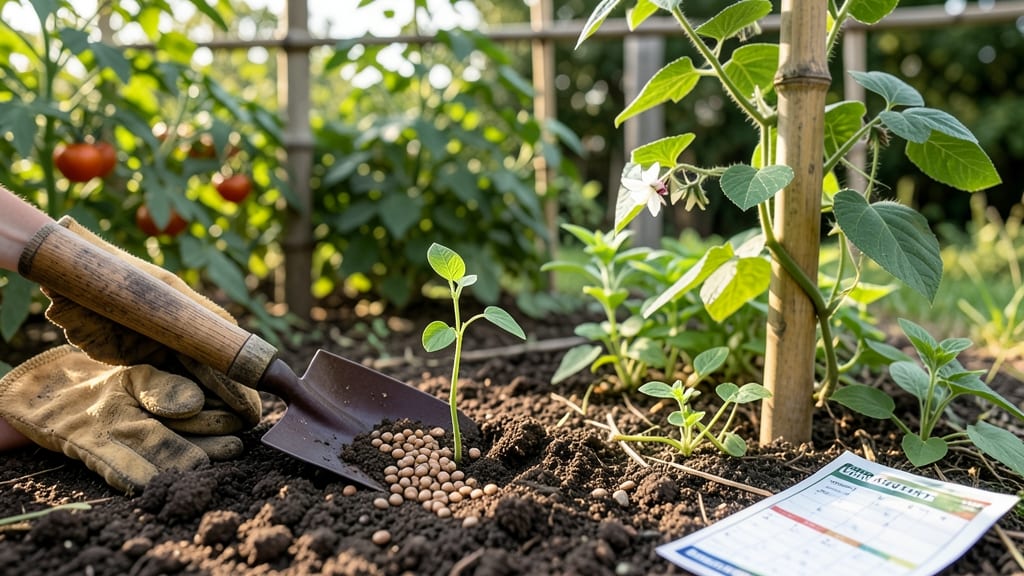
Timing your Bean 🌱 planting in Oklahoma can make or break your harvest—get it wrong, and you’ll watch your seeds fizzle before they even sprout.
Unlike some plants that thrive in cool soil, Beans demand warmth to germinate, and Oklahoma’s unpredictable spring weather adds extra pressure to nail the perfect window.
Most gardeners in USDA Zones 7a–8a wait until the soil hits 60–70°F, typically April to early May, but the exact timing depends on your microclimate.
Plant too early, and frost or cold soil will stall growth; too late, and summer’s scorching heat might stress your plants before they mature.
I’ve learned the hard way that checking soil temperature with a simple thermometer (or even your finger—warm like a bath, not a fridge) is the key to success. Pair that with a quick frost-date lookup for your county, and you’ll avoid the heartbreak of wasted effort.
Ready to grow a bumper crop? I’ll walk you through the exact steps—from testing soil warmth to choosing the right varieties for Oklahoma’s heat and humidity. Let’s get those Beans in the ground the right way.
Oklahoma Bean planting timeline by hardiness Zone (7a, 7b, 8a)
Oklahoma’s climate—with its hot summers, variable springs, and frost-prone winters—demands precise timing for planting beans. Most of the state falls within USDA Zones 7a-8a, where soil temperature and frost dates dictate the ideal planting window.
For pole beans, bush beans, and snap beans, timing can vary by 2-3 weeks depending on your specific zone.
In Zone 7a (northwestern Oklahoma), the last frost typically occurs around April 15-May 1, while Zone 8a (southern Oklahoma) sees frost-free conditions by March 15-April 1.
Beans thrive when soil reaches 60-70°F, so wait until late April to early May for most regions. Fall planting is also possible in Zone 8a, with seeds sown 8-10 weeks before first frost (usually August-September).
Here’s how to align your planting with Oklahoma’s unique climate:
| Zone | Last Frost Date | Ideal Planting Window | Soil Temp Requirement | Notes |
|---|---|---|---|---|
| 7a (Northwest OK) | April 15–May 1 | May 1–15 (spring) | 60–70°F | Use heat-tolerant varieties; avoid early planting. |
| 7b (Central OK) | April 1–15 | April 15–May 10 | 60–70°F | Succession plant every 2 weeks for continuous harvest. |
| 8a (Southern OK) | March 15–April 1 |
Spring: March 30–April 15 Fall: August 15–September 1 |
60–70°F | Best for fall harvests; avoid late summer heat. |
For pole beans, which take longer to mature, start seeds indoors 2-3 weeks before your zone’s last frost date. Bush beans and snap beans can be direct-sown once soil is warm, but avoid planting when daytime highs exceed 90°F, as this stresses young plants.
In Zone 8a, a fall crop is ideal—sow seeds in late summer to harvest before the first frost.
Pro tip: Use a soil thermometer to confirm warmth. Beans won’t germinate below 50°F, and growth slows dramatically below 60°F.
In Oklahoma’s clay-heavy soils, warming happens faster in raised beds or black plastic mulch. Succession planting every 2 weeks ensures a steady supply of fresh beans all summer.
If you’re in Zone 7a and experience a late frost, opt for cold-hardy varieties like ‘Kentucky Wonder’ pole beans or ‘Blue Lake’ bush beans, which tolerate brief chills better than others. Always monitor your local weather forecasts—Oklahoma’s unpredictable spring weather can shift planting windows by weeks.
For container gardening, start seeds 4-6 weeks before your zone’s last frost. Containers warm up faster than ground soil, so adjust your timeline accordingly. Place pots in a sunny, sheltered spot to protect young seedlings from wind and temperature swings common in Oklahoma’s transitional seasons.
Remember: Overheating soil is just as harmful as cold soil. In Zone 8a, avoid planting beans in June or July—the intense heat can cause bloom drop and poor pod development. Instead, focus on early spring or late summer plantings for the best results.
🌱
How to check soil temperature & prepare planting beds for beans
Beans are fussy about soil temperature—too cold, and they won’t germinate, no matter how much you water. In Oklahoma, where spring can swing from freezing nights to 90°F heat in weeks, testing your soil’s warmth is non-negotiable.
I learned this the hard way when my bush beans took three weeks to sprout because I planted too early.
Use a soil thermometer (they’re cheap and worth it) to check depth—2 inches down is where seeds will be. Aim for 60–70°F for most varieties, though heat-tolerant beans can handle up to 80°F.
If your soil’s cooler than 55°F, wait at least 1–2 weeks—patience here saves you from disappointment.
Beans need warm soil to germinate. If your thermometer reads below 55°F, your seeds will rot in the ground. Never use last year’s frost date as your guide—soil warms after air temperatures rise.
🌱 Pro Tip: Black plastic mulch can raise soil temps by 5–10°F in just days.
Oklahoma’s clay-heavy soil can also be a problem—beans hate soggy roots. Before planting, loosen the top 6–8 inches with a broadfork or tiller. Mix in 2–3 inches of compost or well-rotted manure to improve drainage and fertility.
If your soil is extremely compacted, consider planting in raised beds for better control.
Beans also thrive with phosphorus-rich soil—add a 5-10-10 fertilizer or bone meal at planting time to encourage strong root and vine development. But skip the nitrogen-heavy stuff; too much greenery means fewer pods. A light hand with fertilizer goes a long way.
Finally, space your seeds correctly to avoid crowding. Bush beans need 3–4 inches apart in rows 18–24 inches apart, while pole beans should have 4–6 inches between seeds and 5–6 feet between rows.
Overcrowding leads to disease and poor airflow, both of which are death sentences for beans in Oklahoma’s humid summers.
With the right soil prep, your beans will sprout in 7–10 days and reward you with a bountiful harvest. The key? Warm soil, good drainage, and patience—no shortcuts here. 🌱