
Plants
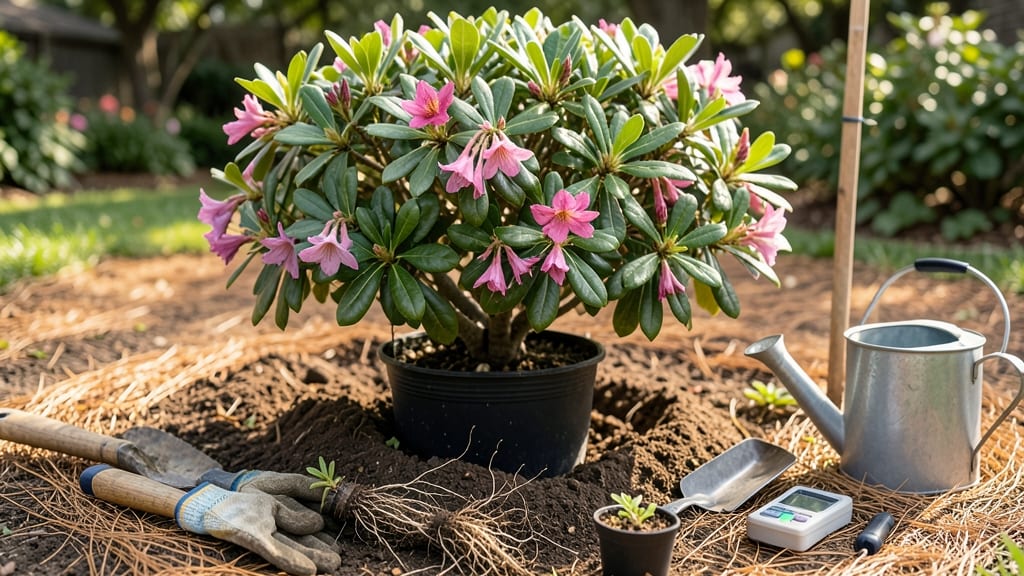
If you're dreaming of vibrant spring blooms from your azaleas 🌸 in Arkansas, timing your planting is the key to success. Planting azaleas at the wrong time—like too early or too late—can leave your shrubs struggling through Arkansas’ unpredictable winters or summer heat.
In USDA Zone 7a, where frost can sneak in as early as November, the best window to plant azaleas is narrow but critical: fall (October–November) or early spring (March–April).
These months give roots time to establish before extreme temperatures hit, setting the stage for healthier plants and bigger blooms next spring.
Why does this matter? Because Arkansas’s climate—with its humidity, variable frost dates, and soil quirks—demands precision. Skip the guesswork and learn how to align your planting schedule with local conditions to ensure your azaleas thrive.
From soil prep to frost-ready tips, I’ll walk you through everything you need to know to plant azaleas the right way in Arkansas. Let’s get those roots settled for a show-stopping spring display!
Optimal Arkansas azalea planting windows by month: USDA Zone 7a guidelines
In Arkansas's USDA Zone 7a, timing your azalea planting is crucial for vibrant spring blooms. The ideal window spans October through early November, allowing roots to establish before winter dormancy.
This schedule aligns with Arkansas's average first frost date of November 15, giving plants 6-8 weeks to recover from transplant shock.
For those who prefer spring planting, March through early April works—but only if you plant before the last frost date (March 15). Late spring plantings risk stunted growth due to Arkansas's hot, humid summers. Let's break down the best months for planting azaleas in Arkansas.
🌸 Visual Guide: Below is a month-by-month planting schedule tailored to Arkansas's climate.
| Month | Optimal Planting Time | Temperature Range | Soil Prep |
|---|---|---|---|
| October | Early to Mid-October | 50-70°F | Amend with peat moss; pH 4.5-6.0 |
| November | Early November (before frost) | 40-60°F | Mulch heavily for winter protection |
| March | Early March (after last frost) | 50-70°F | Water deeply before planting |
| April | Early April (if soil is workable) | 60-75°F | Avoid planting in extreme heat |
October is my top recommendation for Arkansas gardeners. The cooler temperatures and consistent rainfall create ideal conditions for root development. In fact, azaleas planted in October often bloom more vigorously the following spring because they establish roots during the mild winter months.
If you miss the fall window, early March is your next best option. By this time, Arkansas's soil has warmed slightly, and the risk of late frosts has decreased. However, avoid planting in late March or April, as Arkansas's summer heat can stress newly transplanted azaleas.
For those in Zone 8a (southern Arkansas), you might extend planting into late November or even December, but only if your microclimate has mild winters. Always check local frost dates, as Arkansas's delta regions can experience earlier frosts than the Ozark Mountains.
Another key factor is soil moisture. Arkansas's humid climate means fall planting benefits from natural rainfall, reducing the need for supplemental watering. In contrast, spring plantings may require more frequent watering to prevent drought stress during Arkansas's hot, dry spells.
Pro tip: Mulch heavily after planting, especially in fall. A 3-inch layer of pine straw or wood chips helps retain moisture and insulate roots during Arkansas's cold winter nights. This is particularly important in Zone 7a, where temperatures can drop below freezing.
Remember, azaleas planted in Arkansas's fall season will reward you with healthier growth and bigger blooms next spring. The extra time for root establishment makes all the difference in our humid, variable climate.
Optimal Arkansas azalea planting windows by month: USDA Zone 7a guidelines
In Arkansas's USDA Zone 7a, timing your azalea planting is crucial for root establishment before winter dormancy. The best months are October through November and early March to April, aligning with soil temperatures and rainfall patterns that promote healthy growth.
Fall planting (October-November) gives roots time to establish before winter, while spring planting (March-April) avoids transplant shock during Arkansas's warm-up. Both windows work, but fall is ideal for most Arkansas gardeners due to cooler temperatures and consistent moisture.
Here’s a breakdown of the optimal planting months with key considerations for each:
| Month | Soil Temp | Moisture | Notes |
|---|---|---|---|
| October | 55-65°F | Moderate | Best for root growth before winter. |
| November | 45-55°F | Low | Plant before first frost (avg. Nov 15). |
| March | 50-60°F | High | Avoid after last frost (avg. March 15). |
| April | 60-70°F | Moderate | Best for late bloomers. |
For Arkansas gardeners, avoid planting in late summer (August-September) when heat stress can stunt root growth. If you miss the ideal windows, early spring (February) is a secondary option, but prioritize soil moisture and mulch heavily to protect roots.
Pro tip: Test soil pH before planting—azaleas thrive in acidic soil (pH 4.5-6.0). Arkansas’s native soils are often alkaline, so amend with peat moss or sulfur if needed. Mulch with pine straw to maintain moisture and acidity.
In Arkansas’s higher elevations (Zone 7a), plant 2-4 weeks earlier than the delta regions (Zone 8a) to account for cooler microclimates. Monitor local frost dates and adjust your schedule accordingly.