
Plants
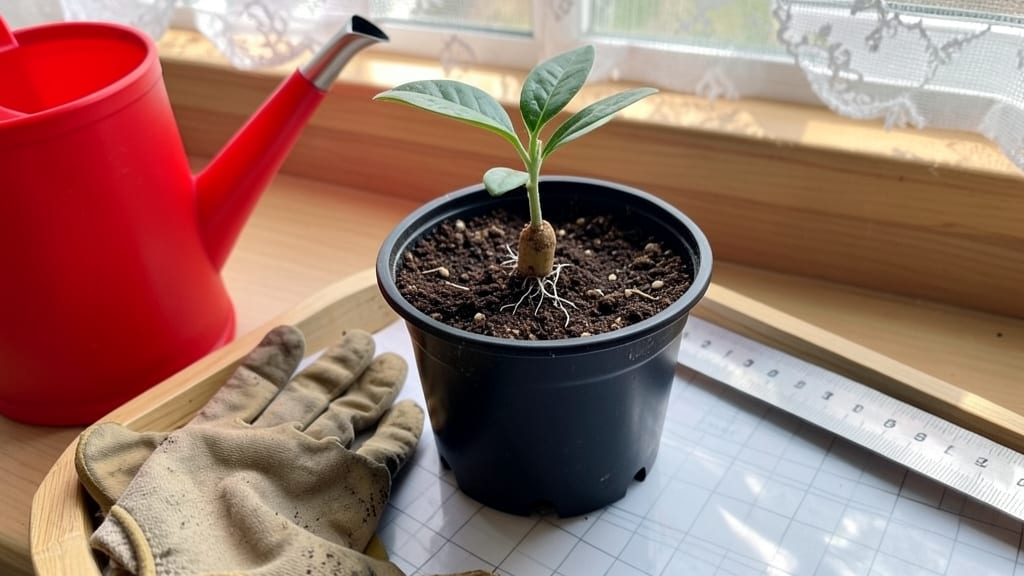
Planting an avocado seed 🥑 in dirt at the wrong time can turn your fast germination dream into a slow, frustrating wait. The key isn't just sticking it in soil—it's understanding when the conditions are perfect for your seed to take off.
Most gardeners assume spring is the only option, but your climate zone plays a bigger role. In USDA Zone 6a, waiting until after the last frost (around April 15) ensures warm soil temperatures that speed up root growth.
Even indoors, timing matters—cool drafts or inconsistent warmth can stall sprouting for weeks.
Here's the game-changer: pre-sprouting your seed in water (about 2-4 weeks) creates a head start before transplanting. This method cuts the waiting time in half while giving you control over humidity and warmth—critical factors most beginners overlook.
I'll walk you through the exact steps to maximize your seed's potential, from soil prep to avoiding common pitfalls that kill germination. Ready to grow your 🥑 tree the right way?
Best time of year to plant avocado seeds in soil (climate guide)
Timing your avocado seed planting is everything—plant too early, and cold soil can stall germination for months. Too late, and your seed might rot before sprouting. The ideal window depends on your climate zone, whether you're planting indoors or outdoors, and your soil temperature.
For most gardeners, the best time to plant avocado seeds in dirt is late spring to early summer, after the last frost when soil reaches 60°F (15°C) or warmer.
In tropical climates (USDA Zones 10-12), you can plant avocado seeds year-round, but spring (March-May) still offers the fastest germination due to consistent warmth. In temperate zones (USDA Zones 7-9), aim for April to June when frost risk disappears and soil stays reliably warm.
For cool climates (USDA Zones 6 or below), wait until May or June—planting earlier risks seed rot from cold, damp soil.
Here’s how to adapt your planting schedule based on your location and goals:
| Climate Zone | Best Planting Window | Soil Temp Threshold | Indoor vs. Outdoor |
|---|---|---|---|
| Tropical (Zones 10-12) | Year-round (spring fastest) | 60°F+ (15°C+) | Outdoor preferred; indoor works year-round |
| Temperate (Zones 7-9) | April–June (after last frost) | 65°F+ (18°C+) | Outdoor best; indoor for early start |
| Cool (Zones 6 or below) | May–June (soil must warm) | 70°F+ (21°C+) | Indoor start recommended; transplant outdoors after frost |
If you’re planting outdoors, always check your last frost date—avocado seeds are frost-sensitive and will die if exposed to temperatures below 32°F (0°C).
For example, in Zone 7, where the last frost typically occurs around April 15, wait until mid-to-late May to plant seeds directly in the ground. In Zone 9, you can plant as early as March if nights stay above 50°F (10°C).
For indoor planting, timing is more flexible, but aim to start seeds 6–8 weeks before your ideal outdoor planting date. This gives roots time to establish before transplanting. Use a heat mat (set to 75–80°F (24–27°C)) to mimic tropical conditions and speed up germination by 2–3 weeks.
Pro tip: Place your seedling near a south-facing window or under grow lights to ensure 6+ hours of sunlight daily once sprouted.
One common mistake is assuming avocado seeds can handle cold soil—they can’t. If your soil temperature drops below 60°F (15°C), germination slows dramatically, and seeds may rot. Use a soil thermometer to confirm warmth before planting.
In cooler climates, start seeds indoors in well-draining potting mix and transplant outdoors only after the soil has warmed and nighttime temperatures stay above 55°F (13°C).
Another key factor is humidity. Avocado seeds thrive in 60–70% humidity during germination. If your climate is dry (like Zone 5–7 summers), use a clear plastic dome or humidity tray to maintain moisture around the seed.
In humid climates (like Zones 10–12), reduce humidity slightly to prevent fungal rot—aim for 50–60%.
Remember, avocado seeds germinate best when the soil stays consistently moist but not soggy. Water deeply every 2–3 days to keep the top 1–2 inches of soil damp. Overwatering is a top killer—poor drainage leads to root rot, which can silence a seed forever.
Use a well-draining mix (like 50% potting soil + 50% perlite) to prevent this.
Finally, if you’re in a cold climate and miss the spring planting window, don’t despair. You can still grow an avocado tree by starting seeds indoors in late winter (February) and transplanting outdoors in early summer.
Just be patient—indoor-germinated seeds may take 4–6 weeks to sprout, but they’ll be ready for warmer soil when the time comes.
5 Proven germination tricks to speed up sprouting in dirt
Avocado seeds can take 4–6 weeks to sprout in soil—but with the right tricks, you can cut that time in half. The key is mimicking tropical conditions where avocados thrive naturally. Start by pre-soaking your seed for 24 hours in warm water to kickstart hydration and root growth.
Change the water daily to prevent mold, and place the seed in a humidity dome or sealed container to retain moisture.
Next, use a lightweight potting mix with perlite or sand to improve drainage. Avocado roots need oxygen, so avoid compacted soil. Plant the seed halfway exposed—only the bottom third should be buried.
This ensures the seed stays moist while preventing rot. A heating mat set to 70–75°F (21–24°C) can accelerate root development by 2–3 weeks, especially in cooler climates.
🌱 Numbered Highlights: Speed Up Avocado Seed Germination
- 1. Pre-soak seed in warm water for 24 hours to hydrate faster.
- Use a humidity dome or plastic wrap to trap moisture.
- Plant in light, airy soil with perlite or sand for drainage.
- Keep soil at 70–75°F (21–24°C) with a heating mat.
- Expose half the seed to air to prevent rot.
✅ Pro Tip: Rotate the seed weekly to prevent leaning toward light.
For even faster results, try a nutrient boost like diluted fish emulsion or seaweed extract. Avocado seeds are nutrient-poor, so adding a balanced fertilizer (5-5-5) at planting can jumpstart growth. Monitor moisture levels—overwatering is the #1 killer of young seeds.
Stick your finger 1 inch into the soil; if it’s dry, water lightly. Avoid letting the seed sit in soggy soil, which causes root rot.
Patience is key, but these tricks can shave weeks off your wait time. Once your seed sprouts, move it to a sunny window or grow light immediately. Avocado seedlings are delicate—direct sunlight can scorch young leaves, so acclimate gradually.
With the right conditions, you’ll see roots in as little as 2–3 weeks instead of months.
If your seed hasn’t sprouted in 8 weeks, it may not germinate. Don’t give up—try another seed! Avocados are finicky, but when they do sprout, the reward is worth the wait.
Keep a journal to track your soil temperature, moisture, and lighting—small adjustments can make a huge difference in success rates.
🌱 Ready to grow? Grab your seed, a humidity dome, and a heating mat—your future avocado tree starts now!