
Plants
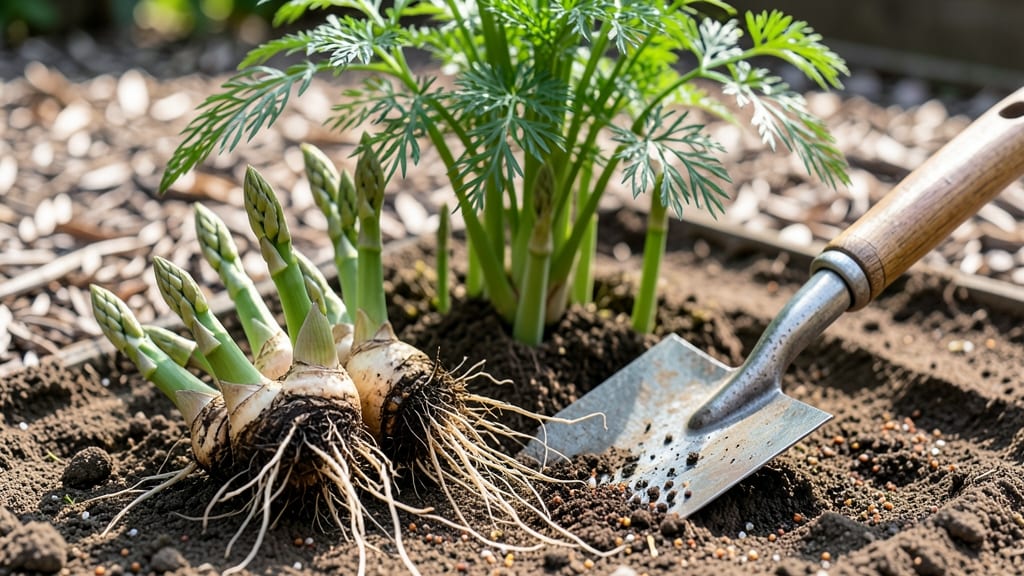
Timing your asparagus planting in Maryland can mean the difference between a thriving 🌱 asparagus patch and wasted effort—especially in Zone 7b where frost lingers until mid-April.
Plant too early, and your crowns could rot; too late, and you’ll miss the sweet spot for strong root establishment before summer heat sets in.
I’ve grown asparagus here for years, and the early spring window (March–April) is non-negotiable for Maryland gardeners. The key is waiting until soil temperatures hit 50°F—a simple test with a thermometer or even your finger (if it’s warm enough to hold for 5 seconds).
This ensures your plants wake up from dormancy just as the last frost passes.
But here’s the catch: asparagus crowns (not seeds) are your best bet for Maryland’s climate—they establish faster and yield sooner. Once planted, they’ll reward you with spears in years 3–4, but only if you nail that frost-free window.
Let’s break down exactly when and how to plant for maximum success.
Ready to grow your own? I’ll walk you through the exact steps—from soil prep to post-planting care—to guarantee your asparagus thrives in Maryland’s unique growing conditions. No guesswork, just results.
Maryland Zone 7b asparagus planting deadlines: frost-free window explained
Asparagus thrives in Maryland’s Zone 7b when planted during the frost-free window—typically between mid-April and early May. This timing ensures your 1-year-old crowns establish roots before summer heat arrives. Maryland’s last average frost date is April 15, but wait until soil temperatures reach 50°F for best results.
For fall planting, aim for late September to early October—at least 6-8 weeks before first frost (mid-November). Fall-planted crowns benefit from cooler soil and fewer weeds, but they won’t harvest until Year 3 like spring-planted beds.
Maryland’s 180 frost-free days create an ideal climate for asparagus, but rushing planting can lead to frost damage or poor root development. Always check your local USDA Zone 7b microclimate—coastal areas may have later frosts than inland regions.
🌱
| Planting Window | Soil Temp | Frost Risk | Maryland Deadline |
|---|---|---|---|
| Spring Planting | 50°F+ | Low (after April 15) | Early May |
| Fall Planting | 45°F+ | High (before Nov 15) | Early October |
| Soil Prep | 60°F+ | None | March (6-8 weeks before planting) |
| Harvest Window | N/A | None | Year 3: April-June |
Maryland gardeners often debate crowns vs. seeds—for faster results, 1-year-old crowns are the best choice. They establish roots quicker and produce spears in 2-3 years, while seeds take 3-4 years to mature. Crowns also resist Maryland’s asparagus beetles better due to their established root systems.
Always plant crowns 6-8 inches deep—deeper than most gardeners assume! This mimics their natural Mediterranean habitat and prevents crown rot in Maryland’s humid summers. Space rows 12-18 inches apart to allow foliage to spread without competing for nutrients.
🌿
If you’re in Zone 7a (northern Maryland), extend your frost-free window by using row covers for early spring planting. For Zone 8 (southern Maryland), fall planting can sometimes succeed until mid-October, but monitor soil temps closely—below 40°F stunts root growth.
Pro tip: Maryland’s clay-heavy soils drain poorly—amend with compost and sand to create well-draining beds. Test your soil’s pH (6.5-7.0) using a home kit; asparagus hates acidic soil, which is common in Maryland’s wooded areas.
✂️
Maryland Zone 7b asparagus planting deadlines: frost-free window explained
Maryland’s Zone 7b climate creates a tight window for planting asparagus—typically between mid-March and mid-April. This aligns with the last frost date (usually around April 15) and ensures soil temperatures reach the ideal 50°F for crowns to establish without frost damage.
The first frost risk in Maryland arrives around mid-November, but spring planting is critical because asparagus crowns need 60–90 days of warm soil to root before summer heat sets in. Planting too late risks stunted growth or winter kill.
For Maryland gardeners, crowns (not seeds) are the best choice—they establish faster and yield sooner. Seed-grown asparagus takes 3+ years to harvest, while crowns produce spears in years 2–3.
| Stage | Maryland Zone 7b Deadlines | Key Conditions |
|---|---|---|
| Soil Warm-Up | Mid-March | Soil temp ≥ 50°F |
| Planting Window | March 15–April 15 | Last frost risk passed |
| Harvest Readiness | Years 3–4 | April–June (spears 6–8" tall) |
| First Frost Risk | Mid-November | Mulch for winter protection |
Maryland’s Zone 7b also allows for fall planting (September–October), but this is riskier due to shorter daylight hours. If you opt for fall, plant 8–10 weeks before first frost to give roots time to establish before winter dormancy.
Pro tip: Use a soil thermometer to confirm 50°F soil temps—this is your green light to plant. In Maryland’s clay-heavy soils, amending with compost or sand improves drainage and root growth.
Once planted, asparagus crowns need full sun (6+ hours daily) and well-draining soil to thrive. Skimp on either, and you’ll struggle with poor spear production or disease. Maryland’s humid summers make mulching a must to retain moisture and suppress weeds.