
Plants
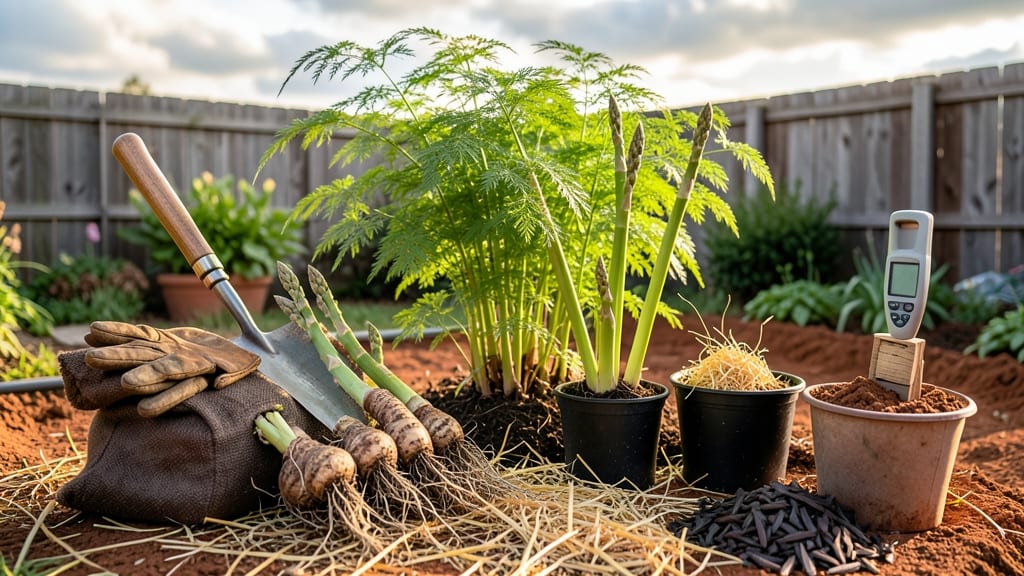
If you're wondering when to plant asparagus in Louisiana, timing is everything—especially in a climate where summer heat can turn a promising garden into a wilted disappointment.
Unlike cooler regions, Louisiana’s 8a-9b zones demand a precise window to give your 🌱 asparagus crowns the best shot at thriving before the mercury climbs.
The key is planting in late winter to early spring, ideally between February and March, when soil temperatures are cool but warming. This gives roots time to establish before summer’s intensity peaks, avoiding the common pitfall of stunted growth or even death from heat stress.
But here’s the catch: Louisiana’s humidity and heat mean you can’t just toss crowns into the ground and forget them. We’ll break down the exact steps—from soil prep to heat-resistant varieties—that make all the difference between a 5-year harvest and a failed experiment.
Ready to grow asparagus that actually thrives in your backyard? Let’s dive into the heat-smart strategies that’ll have you enjoying fresh spears by next spring.
Best months to plant asparagus in Louisiana’s climate zones
Louisiana’s USDA zones 8a-9b offer a unique challenge for asparagus growers—the state’s humidity and heat demand precise timing. Unlike cooler climates, Louisiana gardeners must plant asparagus crowns when soil temperatures stay below 75°F to prevent stress. The ideal window is late winter to early spring, but regional microclimates create variations.
Northern Louisiana (e.g., Shreveport) experiences cooler winters, allowing earlier planting around mid-February. Southern Louisiana (e.g., New Orleans) should wait until late February to early March to avoid summer heat stress. Planting too early risks crown rot from excess moisture, while late planting delays harvest.
Soil temperature is critical—wait until the ground warms to 60-65°F at 6 inches deep. Use a soil thermometer to monitor, as Louisiana’s clay-heavy soils retain heat longer. In cooler years, aim for March planting to align with the last frost date (typically February 15).
Rainfall patterns also matter: Louisiana’s spring rains can waterlog soil, so prioritize well-draining sites with raised beds if needed. Southern regions with higher humidity (e.g., Lake Charles) may need to plant 1-2 weeks later than northern areas to avoid fungal issues.
Here’s how Louisiana’s microclimates compare for asparagus planting:
| Region | Best Planting Window | Soil Temp Goal | Key Risk |
|---|---|---|---|
| Northern LA (Shreveport) | Mid-February to early March | 60-65°F (6" deep) | Late frosts |
| Central LA (Baton Rouge) | Late February to early March | 60-65°F (6" deep) | Humidity buildup |
| Southern LA (New Orleans) | Late February to March | 60-65°F (6" deep) | Crown rot |
For container gardening in Louisiana, plant asparagus in large pots (18"+ deep) and move them to shaded areas during peak summer heat. Containers dry out faster, so monitor soil moisture closely—water deeply 2-3 times per week during establishment.
Avoid planting in July or August, as the heat will stunt growth and delay harvest.
Pro tip: Mark your last frost date (check local almanacs) and count backward 4-6 weeks for ideal planting. Louisiana’s long growing season means you can also try fall planting (September-October) in cooler northern areas, but yields may be smaller. Always choose 1-year-old crowns for best success.
After planting, mulch heavily with 2-3 inches of straw to retain moisture and regulate soil temperature. This is especially critical in southern Louisiana’s heat, where mulch can reduce soil temps by 10°F during peak summer. Avoid synthetic mulches—they trap heat and stress asparagus roots.
Remember: Asparagus is a perennial crop that rewards patience. In Louisiana, your first harvest won’t come until year 3, but proper timing now ensures decades of harvests. Plan ahead, and your garden will thank you with tender spears for years to come. 🌱
Best months to plant asparagus in Louisiana’s climate zones
In Louisiana’s 8a-9b USDA zones, the ideal window for planting asparagus crowns is late February to early March. This timing gives roots time to establish before summer’s 90°F+ heat arrives, which can stress young plants.
Northern Louisiana (e.g., Shreveport) may extend planting into early April, while southern areas (e.g., New Orleans) should aim for February to avoid early heat spikes.
Soil temperatures are critical—asparagus crowns need 50-60°F soil to root properly. Louisiana’s spring warming varies: North Louisiana hits this range by mid-March, while South Louisiana reaches it by late February. Use a soil thermometer to confirm before planting.
Miss the window? You can plant in early May, but yields may suffer due to summer stress. Avoid planting in June or later—young crowns won’t survive Louisiana’s humid, oppressive heat without stunting.
| Zone & Location | Best Planting Window | Soil Temp Goal | Heat Risk |
|---|---|---|---|
| North LA (8a, e.g., Shreveport) | Mid-March to early April | 50-60°F | Moderate |
| Central LA (8b, e.g., Baton Rouge) | Late February to March | 50-60°F | High |
| South LA (9a-9b, e.g., New Orleans) | Late February to early March | 50-60°F | Very High |
Rainfall patterns also play a role. Louisiana’s spring showers help establish roots, but waterlogged soil causes crown rot. Amend clay-heavy soils with compost or sand to improve drainage. In drier North Louisiana, mulch with straw to retain moisture.
Pro tip: Plant asparagus crowns 4-6 weeks before your last frost date (typically mid-February in most of Louisiana). This ensures roots are strong enough to handle 90°F+ days by summer. Use black plastic mulch in South Louisiana to warm soil faster if planting early.
Timing isn’t just about months—it’s about microclimates. A shaded backyard in New Orleans may need earlier planting than a sunny Shreveport garden. Observe your space for 6+ hours of sunlight and adjust accordingly.