
Plants
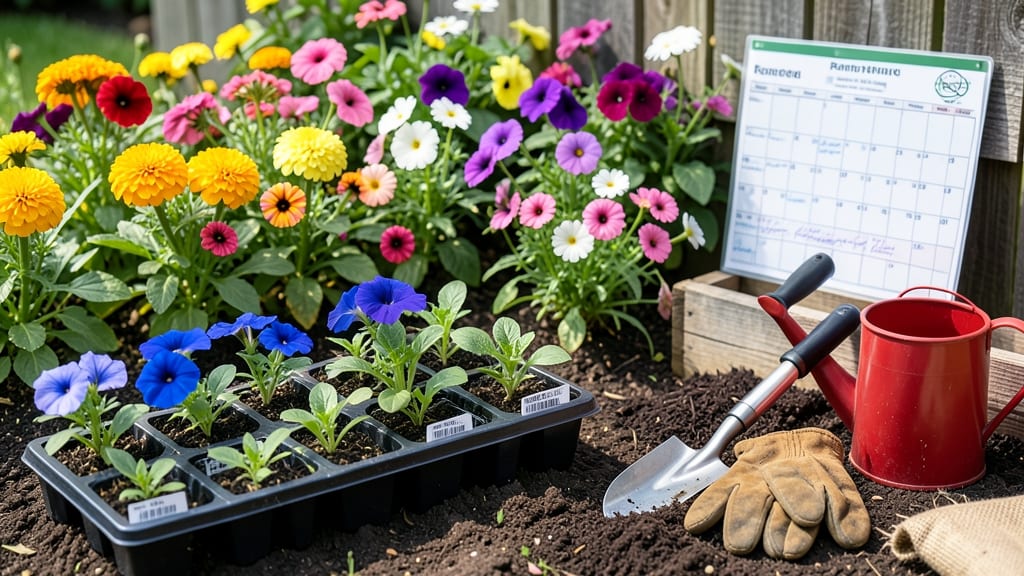
Timing your annuals planting in Pennsylvania can feel like a high-stakes guessing game—especially when unpredictable spring weather throws frost dates into chaos. But here’s the secret: knowing your USDA Zone (5-7) and local frost patterns turns that gamble into a guaranteed summer of vibrant blooms and bountiful veggies.
Whether you’re in Philadelphia’s urban heat islands or Pittsburgh’s cooler valleys, the right planting window makes all the difference. Skip the trial-and-error approach—this guide gives you exact months to start seeds indoors, transplant tender annuals, and even squeeze in late-summer varieties like zinnias or basil before the first frost.
We’ll break down cool-season vs. warm-season annuals, so you’re not left with wilted petunias or stunted sunflowers. Plus, I’ll share pro tips for extending your harvest, like using row covers or succession planting, so your garden stays lively from May through October.
Ready to transform your yard into a year-round showstopper? Let’s dive into the perfect timing for every annual—no more second-guessing, just confident planting.
Pennsylvania annual planting calendar by month: frost dates and best times
Pennsylvania’s USDA Zones 5-7 mean your planting schedule depends heavily on last frost dates, which vary by region. In Philadelphia (Zone 7a), expect your last frost around April 15, while Pittsburgh (Zone 6b) typically sees frost until May 1.
Always check local Almanac frost predictions—they’re your best guide!
For cool-season annuals like pansies and lettuce, start seeds indoors 6-8 weeks before your last frost date. In most of PA, that means late February to early March. These hardy plants can handle light frosts, but avoid planting outside until soil temps hit 40°F+.
Warm-season favorites like tomatoes and marigolds need soil temps of 60°F+ to thrive. Wait until two weeks after your last frost date—usually mid-to-late May in most of PA. Use black plastic mulch to warm soil faster if you’re eager to plant early!
Here’s your month-by-month planting guide, tailored for PA’s climate zones:
| Month | Cool-Season Annuals (Start Indoors) | Cool-Season Annuals (Direct Sow) | Warm-Season Annuals (Start Indoors) | Warm-Season Annuals (Transplant) | Notes for PA Gardeners |
|---|---|---|---|---|---|
| February | Pansies, Lettuce, Spinach | None | Tomatoes, Peppers, Basil | None | Use grow lights if natural light is low |
| March | Kale, Radishes, Snap Peas | Lettuce, Spinach (hardy varieties) | Marigolds, Zinnias, Petunias | None | Cover seedlings with frost cloth if nights dip below 32°F |
| April | None | Carrots, Beets, Peas | Sunflowers, Nasturtiums | None | Wait until soil is workable (not muddy) |
| May | None | None | None | Tomatoes, Peppers, Eggplant | Use row covers for early transplants |
| June | None | None | None | Basil, Cucumbers, Okra | Succession plant every 2 weeks for continuous blooms |
| July | None | None | None | Late bloomers: Cosmos, Celosia | Watch for heat stress—provide afternoon shade |
| August | None | None | None | Marigolds, Snapdragons | Plant for fall color—these tolerate light frosts |
For fall planting, aim to sow seeds 90 days before your first frost (usually October 15 in Zone 7a). Kale, radishes, and pansies thrive in cooler weather and can handle light frosts. Use row covers to extend their season even longer!
Pro tip: Microclimates matter! South-facing slopes warm up faster, while shaded areas stay cooler. Adjust your planting dates by 1-2 weeks based on your specific spot. Always monitor soil temperature with a thermometer—it’s more accurate than air temperature.
If you’re in western PA (Pittsburgh area), add 1-2 weeks to these timelines due to later frost dates. Eastern PA (Philadelphia) gardeners can plant 1-2 weeks earlier thanks to milder winters. Local nurseries often share hyper-local advice, so visit one before your first planting!
Remember: Succession planting is key for continuous blooms. For example, sow marigolds every 3 weeks from May to August to keep your garden vibrant all season. And don’t forget—container gardens can be planted 2-3 weeks later than in-ground plants since they warm up slower.
🌱
Top 10 annual flowers and vegetables to plant in Pennsylvania (with exact timing)
Pennsylvania’s USDA Zones 5-7 offer a perfect canvas for annual flowers and vegetables, but timing is everything. Whether you’re aiming for bold summer blooms or hearty fall harvests, these top 10 varieties thrive when planted at the right moment.
I’ve tested these in my own Zone 6 garden—here’s what works best.
For cool-season crops, like lettuce and pansies, start in early spring (March-April) or late summer (August-September) to avoid frost. Warm-season favorites, such as tomatoes and zinnias, need to wait until after the last frost (mid-May to early June). Let’s dive into the specifics!
| Variety | Planting Time | Sun Needs | Spacing | Notes |
|---|---|---|---|---|
| Marigolds | After last frost (May-June) | Full sun (6+ hours) | 12-18 inches apart | Repels pests; great for borders |
| Zinnias | Late May to early July | Full sun (6-8 hours) | 8-12 inches apart | Long bloom time; cut back for more flowers |
| Tomatoes | After last frost (May-June) | Full sun (8+ hours) | 18-24 inches apart | Use cages or stakes; mulch for moisture |
| Petunias | After last frost (May-June) | Full sun to partial shade | 10-12 inches apart | Deadhead for continuous blooms; great for containers |
| Basil | After last frost (May-June) | Full sun (6+ hours) | 8-12 inches apart | Harvest leaves regularly; avoid frost |
| Lettuce | March-April or August-September | Partial shade (4-6 hours sun) | 6-12 inches apart | Keep soil moist; harvest outer leaves |
| Sunflowers | Late May to early June | Full sun (6-8 hours) | 12-24 inches apart | Tall varieties need staking; great for pollinators |
| Pansies | March-April or August-September | Partial shade (4-6 hours sun) | 6-9 inches apart | Tolerates light frost; great for early spring |
| Peppers | ★★★★★4.8(13 reviews) |