
Planting
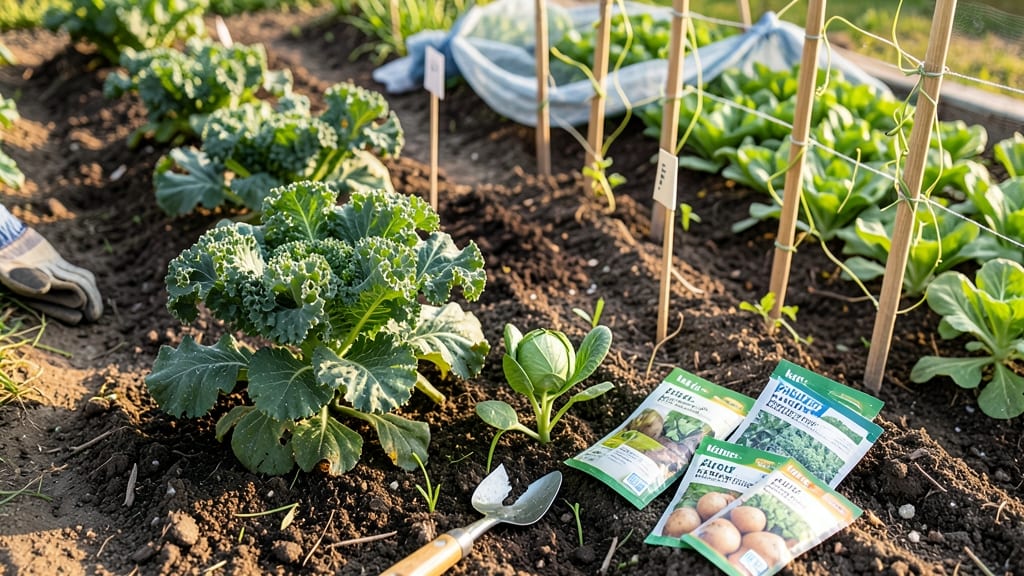
When to plant a garden in North Dakota isn’t just about luck—it’s about beating the clock before that first frost steals your harvest. With USDA zones 3b-4a and a short 120-day growing season, planting too early or late can leave your 🌱 vulnerable to icy surprises. The ideal window for most General Garden Vegetables & Flowers starts mid-April but waits until after the last frost around May 15, giving you just a few weeks to get warm-season crops like tomatoes and peppers in the ground.
But here’s the catch: cool-season crops like spinach and peas can actually handle a light frost, so they get the green light as early as late April. Meanwhile, summer staples need to be planted by early June to mature before the first frost hits around September 15.
The key is knowing which plants can brave the chill and which need to be coddled—because in North Dakota, every day counts.
If you’ve ever stared at a seed packet wondering, “Can I really get this to grow here?”—this guide is your roadmap. I’ll break down the exact frost dates for your zone, which crops thrive when, and how to stretch your season with simple tricks.
No more guessing games, just a clear, foolproof plan to turn your North Dakota garden into a thriving oasis.
Ready to skip the trial-and-error? Let’s dive into the perfect planting schedule for your hardiness zone, so you can enjoy fresh veggies and blooms from June through September—without the frost-related heartbreak.
North Dakota frost dates by hardiness Zone: when to plant cool-season vs. warm-season crops
North Dakota’s USDA hardiness zones 3b-5 create unique challenges for gardeners, with short growing seasons and unpredictable frost patterns. The average last spring frost typically arrives between May 10-20, while the first fall frost often hits around September 10-20.
These dates vary slightly by zone—Zone 3b areas (like Grand Forks) may experience frost 2-3 weeks later than Zone 5 (like Jamestown), so always check local records.
Your planting timeline hinges on these frost dates, but also on soil temperature and crop hardiness. Cool-season crops like peas, spinach, and lettuce can handle light frosts, while warm-season crops like tomatoes and peppers need consistent warmth to thrive.
Even a 50°F soil temperature can delay germination for heat-lovers, so always test your soil before planting.
For Zone 4a (most of ND), aim to plant cool-season crops by late April to early May, while warm-season crops should wait until after May 20. In Zone 3b, shift these dates 1-2 weeks later to avoid frost damage.
Below, I’ve broken down the ideal planting windows for your most common ND garden crops, organized by frost sensitivity.
For Zone 5 areas (south
How to extend your North Dakota growing season: cold frames, row covers, and succession planting
North Dakota’s short 120-day growing season doesn’t have to limit your harvests. With the right strategies, you can push your planting windows by 3-6 weeks—giving frost-sensitive crops like tomatoes and peppers more time to thrive.
The key? Cold frames, row covers, and succession planting turn your garden into a year-round powerhouse, even when temperatures flirt with freezing.
I’ve tested these methods in my own Zone 4a garden, and the results speak for themselves: earlier starts, later harvests, and fewer lost crops to unpredictable frost. Whether you’re a beginner or a seasoned gardener, these techniques are simple, budget-friendly, and proven to work in ND’s climate.
Let’s break down the best ways to stretch your season without breaking the bank.
🌱 Top 5 Ways to Extend Your North Dakota Growing Season
- 📅 Start with cold-hardy crops like spinach, kale, and peas in late April—they’ll survive light frosts and give you early harvests.
- 🛡️ Use row covers (floating fabric tunnels) to protect tomatoes, peppers, and lettuce from late spring or early fall frosts—extend harvests by 2-3 weeks.
- 🏡 Build a DIY cold frame (clear plastic + wooden frame) to grow greens and herbs under 32°F—perfect for fall/winter harvests.
- 🔄 Succession plant fast-growing crops like radishes, bush beans, and lettuce every 2 weeks for continuous harvests.
- 🌡️ Monitor soil temperature—wait until it hits 50°F+ for warm-season crops (tomatoes, peppers) to avoid stunted growth.
One of my favorite tricks? Succession planting with bush beans. By sowing new seeds every 14 days from late May through July, I’ve enjoyed fresh beans from July through September—no gaps, no waste. It’s a game-changer for ND gardens where space (and time) are limited.
For fall harvests, I swear by low tunnels (hoop houses with row covers). They create a 10°F warmer microclimate, letting me grow kale, carrots, and beets well into October. Just drape the cover over wire hoops and secure the edges—no fancy tools needed!
Pro tip: Combine methods for maximum results. For example, plant cold-hardy peas in April, then add a row cover in May to protect tomato seedlings until the soil warms. This double strategy gives you two harvests in one bed without overcrowding.
Ready to put these tricks to work? Start with one method this season—whether it’s a row cover for your tomatoes or a cold frame for winter greens.
Every extra day in the ground is a day closer to a bountiful harvest—no matter how short ND’s growing season feels. 🌿