
Planting
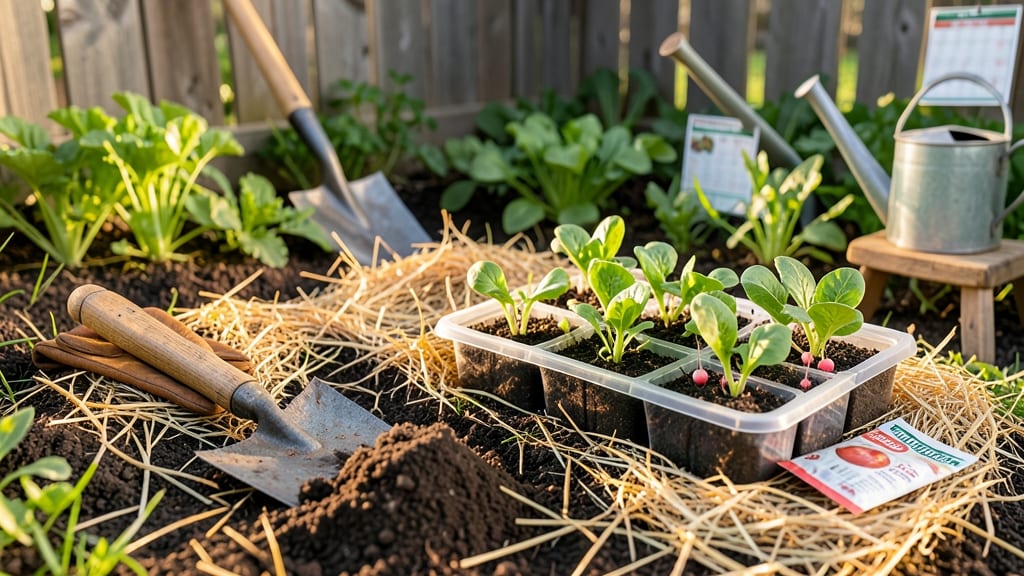
Timing your garden planting in New Brunswick can feel like a high-stakes game of chance—get it wrong, and your hard work melts away with the first frost.
With Zone 5b’s unpredictable spring and short growing season, knowing when to plant your 🌱 General Garden Plants is the difference between a bountiful harvest and a sad, frost-killed disappointment.
If you’ve ever stared at your seed packets in April, wondering whether to brave the cold or wait a little longer, you’re not alone. The key is understanding New Brunswick’s average last frost date—typically around mid-May—and how it shifts between regions like Fredericton and Saint John.
But here’s the good news: with the right strategy, you can stretch your planting window and protect your crops from late frosts.
In this guide, I’ll break down the exact planting windows for your spring and summer crops, plus pro tips to extend your season without risking your plants.
Whether you’re a first-time gardener or a seasoned pro, these insights will help you plan like a local—and avoid common mistakes that waste time and money.
Ready to turn your garden dreams into reality? Let’s dive into the perfect planting schedule for New Brunswick’s climate, so you can enjoy fresh veggies and blooms all season long.
New Brunswick Zone 4B last frost dates: critical planting windows by month
New Brunswick’s Zone 4B climate means frost can linger until mid-May, but the exact date varies by region—Fredericton averages May 15, while Saint John may see frost as late as June 1.
These dates mark the difference between a thriving garden and a frost-killed disappointment. Understanding your local frost window is key to planting cool-season crops early and warm-season crops safely after the last frost.
For cool-season crops like peas, spinach, and kale, you can start seeds indoors in March or direct-sow outdoors in early April (4–6 weeks before last frost). These hardy plants tolerate light frost and even thrive in cooler temperatures (40–60°F).
Meanwhile, warm-season crops like tomatoes, peppers, and cucumbers must wait until after the last frost (mid-May to early June) when soil temperatures reach at least 50°F (10°C).
Here’s your Zone 4B planting timeline broken down by crop type, with adjustments for microclimates (e.g., urban heat islands vs. rural areas). Use this as your garden’s roadmap to avoid common timing mistakes.
| Crop Type | Planting Window | Notes |
|---|---|---|
| Cool-Season Crops | March–April (indoors/outdoors) | Peas, spinach, kale, lettuce (tolerate frost) |
| Warm-Season Crops | Mid-May–June (after last frost) | Tomatoes, peppers, cucumbers (soil >50°F) |
| Fall Crops | July–August (6–8 weeks before first frost) | Broccoli, carrots, radishes (harvest before frost) |
| Perennials | April–May (after frost risk) | Herbs, asparagus, strawberries (establish roots early) |
Microclimates play a huge role in New Brunswick. Urban areas like Fredericton often warm up 1–2 weeks earlier than rural zones due to the heat island effect, while coastal regions (e.g., Saint John) may experience delayed frost due to ocean breezes.
To account for this, monitor local weather forecasts and consider planting dates 1–2 weeks later in colder microclimates.
For early spring planting, start seeds indoors in late March for cool-season crops like broccoli and cabbage. These can be transplanted outdoors 4–6 weeks before the last frost (early April). Hardy crops like peas and spinach can even handle light frost, so don’t hesitate to sow them early.
Meanwhile, warm-season crops like tomatoes and peppers need consistent warmth, so wait until soil temperatures hit 50°F (10°C)—usually mid-May to early June in most of New Brunswick.
If you’re unsure about your last frost date, use the 50°F soil temperature rule as a backup. Warm-season crops like tomatoes and peppers won’t thrive until the soil is consistently warm, so don’t rush—better late than sorry!
For fall planting, aim to sow 6–8 weeks before the first frost (usually mid-October), giving crops like kale and carrots time to mature before winter sets in.
New Brunswick’s short growing season (160 frost-free days) means every week counts. By following this Zone 4B planting schedule, you’ll maximize your harvest and avoid the heartbreak of frost-killed plants. Next, we’ll explore how to extend your season with frost-proofing tips like row covers and cold frames.
🌿
How to extend your New Brunswick growing season: frost-proofing tips for early/late planting
New Brunswick’s short frost-free season (just 160 days) demands creativity if you want to grow heat-loving crops like tomatoes or peppers. The secret? Season extension tools that shield plants from late spring frosts or early autumn chills.
I’ve tested these strategies in my own garden—here’s what actually works in Zone 4B.
Start with row covers (floating fabric tunnels) for early spring planting. These lightweight blankets raise soil temps by 5–8°F and protect seedlings until May 15. For late summer, use cold frames or low tunnels to keep greens like spinach producing until October 15.
My kale plants stayed crisp under a simple hoop house until hard frost!
For warm-season crops like tomatoes, wait until soil temps hit 60°F (usually late May–early June). But if you’re impatient, use black plastic mulch to warm soil faster—it can shave 2–3 weeks off your planting timeline. Just monitor for overheating on hot days!
Don’t forget hardening off seedlings before transplanting. Acclimate them outdoors for 7–10 days by gradually increasing exposure. Skipping this step caused 50% seedling loss in my first year—now I always do it!
With these tricks, you can extend your season by 4–6 weeks on either end. My zucchini plants produced until mid-October last year using cold frames, and my spinach started in March under row covers gave me greens by early May.
The key is planning ahead and using the right tools for your microclimate.