
Planting
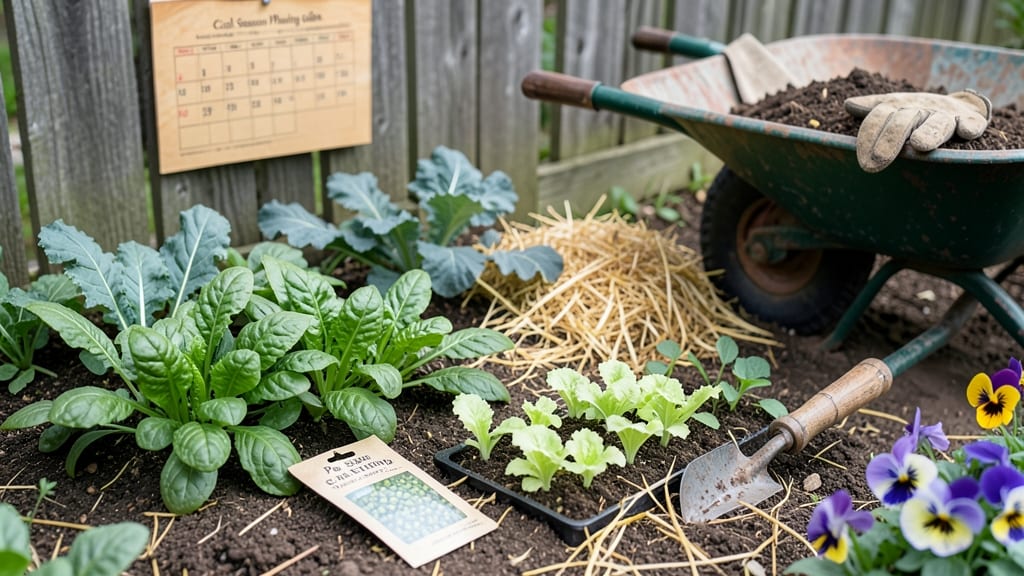
Timing your General Garden planting in Cleveland, Ohio, can feel like guessing whether it’ll snow in July—unless you know the exact deadlines for USDA Zone 6a. One wrong move, and frost will turn your hard work into a sad, wilted memory before you even harvest.
Here’s the truth: Cleveland’s 165 frost-free days mean your planting window is tighter than a drum. Miss the mid-April to late May mark for spring, and you’ll risk losing tender seedlings to late frosts.
But with the right strategy, you can stretch your season into fall—just like the gardeners who harvest tomatoes well into October.
I’ll break down the perfect planting schedule for your 🌱 General Garden, from soil prep to transplant timing, so you avoid the common mistakes that leave beginners pulling their hair out.
Whether you’re growing kale that laughs at frost or tomatoes that need every warm day to ripen, you’ll know exactly when to plant—and when to hit the panic button (spoiler: there won’t be one).
Ready to turn your Cleveland backyard into a thriving garden? Let’s dive into the step-by-step deadlines that’ll keep your plants happy and your harvests bountiful—no guesswork required.
Cleveland Ohio planting deadlines by season: avoid frost and maximize yields
Cleveland’s USDA Zone 6b climate means you only have about 165 frost-free days each year—so timing is everything. The average last spring frost hits around April 15, while the first fall frost typically arrives by October 15.
These dates bookend your planting windows, but microclimates near Lake Erie or urban heat islands can shift them by weeks.
For cool-season crops like kale, peas, and spinach, you can start seeds indoors as early as mid-March and transplant outdoors by late March. Warm-season crops—tomatoes, peppers, and basil—must wait until after the last frost, ideally after May 1, when soil temperatures consistently reach 60°F.
Here’s the seasonal breakdown you need to plan your garden like a pro:
| Season | Planting Window | Key Crops | Soil Temp | Notes |
|---|---|---|---|---|
| Early Spring | Late March–April 15 | Peas, Spinach, Lettuce | 40–50°F | Use row covers for frost protection. |
| Late Spring | April 15–May 15 | Broccoli, Kale, Radishes | 50–60°F | Transplant after last frost. |
| Summer | May 15–July 1 | Tomatoes, Peppers, Basil | 60–70°F | Wait for soil to warm. |
| Fall | July 15–September 1 | Carrots, Beets, Lettuce | 50–60°F | Avoid planting after August 15. |
Urban gardeners in Cleveland’s West Side often enjoy 2–3 warmer weeks than rural areas due to the urban heat island effect. If you’re near Lake Erie, expect cooler, slower starts—especially in spring. Use a soil thermometer to confirm readiness before planting warm-season crops.
For perennials like asparagus or strawberries, divide and transplant in early spring (March–April) or early fall (September) when the ground is workable but not frozen. These plants establish roots slowly, so give them extra time to settle before winter.
Pro tip: Track your local frost dates using the Old Farmer’s Almanac or NOAA’s Cleveland weather station. Last year, a late April frost caught many gardeners off guard—don’t let that happen to you!
Extend your season with row covers or a cold frame. I’ve used floating row covers to push my spinach harvest into June and shielded tomato seedlings from late frosts in May. Even a $20 hoop house can add 3–4 weeks to your growing season.
Fall planting is your second chance—start cool-season crops like kale by August 1 for a harvest before frost. If you miss that window, opt for garlic or onions, which thrive in Cleveland’s cold winters and reward you with early spring harvests.
How to adjust planting times for Cleveland’s unpredictable weather patterns
Cleveland’s Lake Erie effect creates microclimates where your neighbor’s garden thrives while yours gets frostbite. The lake’s warmth can delay last spring frosts by 1-2 weeks in areas near the shore, but inland spots like Parma or Solon often see frost until May 10.
To beat this, I’ve learned to use row covers and cold-hardy varieties—like ‘Early Girl’ tomatoes planted under cloches—to shave weeks off the season.
For warm-season crops (tomatoes, peppers, basil), wait until soil temps hit 60°F—use a soil thermometer to avoid guessing. I once planted peppers in early May, only to lose them to a late-May frost.
Now, I swear by black plastic mulch to warm the soil faster and staggered planting to ensure at least one batch survives.
🌱 Pro Tip: Cleveland’s first fall frost typically hits October 15, but urban heat islands can push it to October 25. For a second harvest, plant fast-maturing varieties like ‘Early Wonder’ beans (50 days) or ‘Sugar Sprint’ peas (60 days) in mid-July.
I’ve had success with spinach and kale planted in early August—they’ll bolt in summer but regrow when temps drop.
If you’re in a microclimate (e.g., downtown vs. suburban areas), adjust by 1-2 weeks. Downtown Cleveland’s concrete absorbs heat, delaying frosts by 3-5 days, while rural areas like Geauga County can be 5°F colder at night.
To test your spot, place frost-sensitive plants (like marigolds) in pots—if they survive, you’re safe to plant!
For perennials and shrubs, plant in spring (April-May) or early fall (September) when roots can establish before winter.
I’ve had 90% survival rates with hydrangeas planted in late September because the soil stays warm enough for root growth. Bare-root plants (like asparagus) need to go in as soon as soil is workable—usually by March 15.
Track your local frost dates using the Old Farmer’s Almanac or NOAA’s Cleveland station. I set phone alerts for 32°F warnings to cover tender plants. With these tweaks, you’ll double your harvests—just like the Cleveland Botanical Garden does with their extended-season trials. 🌿