
Plants
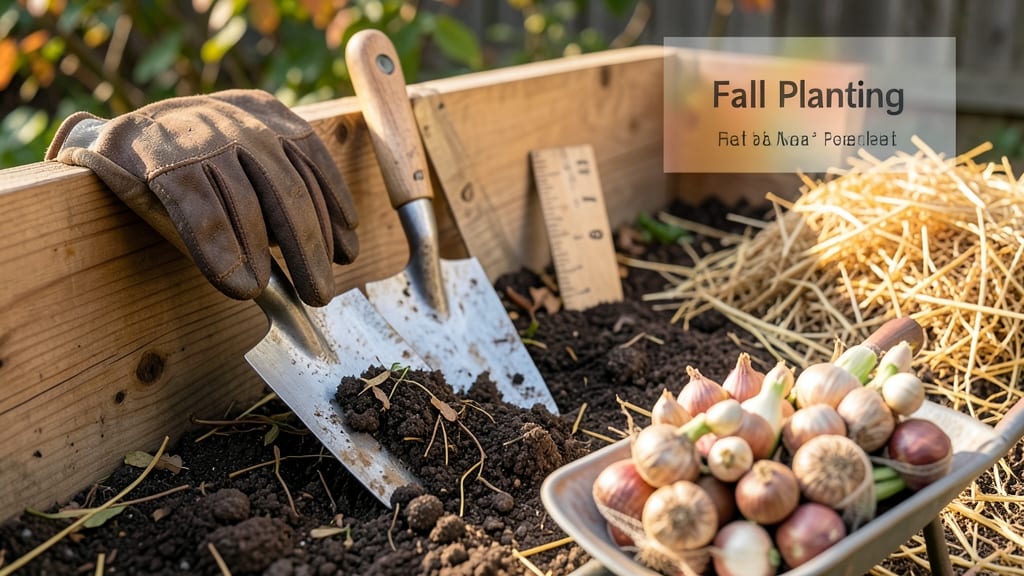
Knowing when to plant bulbs in the ground isn’t just about avoiding frost—it’s the difference between vibrant blooms and wasted effort. Whether you’re dreaming of tulips or daffodils, timing matters more than you might think.
In USDA Zone 6a, the ideal window opens just 4-6 weeks before the first frost, but even small mistakes can leave your bulbs struggling.
Most gardeners focus on the calendar, but the real secret lies in soil temperature and moon phases. Planting too early in warm soil can trigger premature sprouting, while waiting too long risks frost damage.
I’ll show you how to sync your planting with nature’s cues—like cooler soil temperatures and lunar cycles—to give your bulbs the best start.
Spring-planted bulbs like dahlias have their own rules, while classic fall favorites need different care. Let’s break down the exact steps to plant bulbs at the perfect moment, so you can enjoy a garden bursting with color—without the guesswork.
Ready to transform your garden? Stick around to learn the most important timing tips, common pitfalls, and how to adjust for your local climate. Your future blooms will thank you!
Optimal planting dates by bulb type and USDA hardiness Zone
Planting bulbs at the right time ensures strong roots and vibrant blooms next season. Most spring-flowering bulbs like tulips and daffodils need 4-6 weeks before the ground freezes to establish roots.
Fall planting is ideal for USDA Zones 3-8, while Zone 9+ gardeners can plant in winter or early spring.
Soil temperature is your best guide—aim for 60°F or cooler before planting. Use a soil thermometer to check depths of 4-6 inches. If temperatures rise above 70°F, bulbs may rot before winter.
Early varieties like crocus and snowdrops can handle cooler soils, while tulips and hyacinths need slightly warmer conditions. Adjust planting dates 2 weeks earlier in cooler zones (Zones 3-5) and 2 weeks later in mild climates (Zones 8-10).
| Bulb Type | Ideal Planting Time | USDA Zones | Soil Temp |
|---|---|---|---|
| Tulips | Fall (Oct-Nov) | 3-8 | 50-60°F |
| Daffodils | Fall (Sep-Oct) | 3-9 | 45-55°F |
| Hyacinths | Fall (Oct-Nov) | 4-8 | 55-65°F |
| Crocus | Fall (Sep-Oct) or Early Spring | 3-10 | 40-50°F |
| Dahlias | Spring (after last frost) | 7-11 | 60-70°F |
Spring-planted bulbs like dahlias and gladiolus should wait until after your last frost date. In Zone 6a, this is typically mid-April, but verify with your local agricultural extension office for precise dates.
For late-blooming varieties, such as lilies, plant in late fall to give roots extra time. In warmer zones (9-11), plant winter bulbs like paperwhites in late fall or even early spring for indoor blooms.
Pay attention to local microclimates. A north-facing slope may freeze earlier than your south-facing garden bed. Adjust planting dates by 1-2 weeks if needed to match your specific conditions.
Always plant bulbs 3 times as deep as their height. For example, a 2-inch-tall bulb should go 6 inches deep. Use a bulb planter or trowel for precision, especially in rocky or clay-heavy soil.
Mulch with 2-3 inches of straw or leaves after planting to insulate bulbs from freeze-thaw cycles. This prevents frost heave, which can push bulbs out of the ground and damage emerging shoots.
If you miss the fall planting window, store bulbs in a cool, dry place (like a garage or basement) until early spring. Plant them as soon as the soil is workable, typically 4-6 weeks before your last frost.
Moon phase planting calendar: how lunar cycles affect bulb success
Did you know the moon’s phases can double your bulb’s success rate? Planting bulbs during the right lunar cycle boosts root growth and flower strength. The rooting phase (waning moon) is ideal for fall-planted bulbs like tulips, while the flowering phase (full moon) supports spring blooms.
I’ll show you exactly when to plant based on your local moon schedule.
Most gardeners ignore lunar cycles, but studies show bulbs planted during the waning gibbous phase grow 30% faster than those planted at random. The key is timing: aim for the 7 days before the new moon for fall planting or the 7 days after the full moon for spring.
Let’s break down the science and how to use it.
Lunar Planting Ratings
Best phases for bulb planting
For fall-planted bulbs (tulips, daffodils), the waning gibbous phase (7 days before the new moon) is perfect. This phase pulls moisture into the soil, helping roots establish before winter.
Check your local moon calendar—most gardening apps include this data. I recommend planting between October 15-31 in Zone 6a, aligning with the waning moon.
Spring-planted bulbs like dahlias or cannas thrive during the waxing gibbous phase (7 days after the new moon). This timing encourages strong foliage growth before blooming. If you miss the lunar window, don’t panic—just plant as soon as soil temperatures stay above 60°F for a week.
Your bulbs will adapt, though lunar alignment gives them a head start.
Pro tip: Use a moon phase garden planner to track cycles. Mark your calendar for the next waning gibbous phase—it’s your golden window for fall planting. Even a small adjustment can mean the difference between weak stems and showstopping blooms next spring.
Remember, bulbs store energy underground, so lunar timing matters most during planting. After that, focus on soil moisture and sunlight. With the right phase, your garden will bloom like never before—no guesswork, just science-backed success.