
Companion Plants
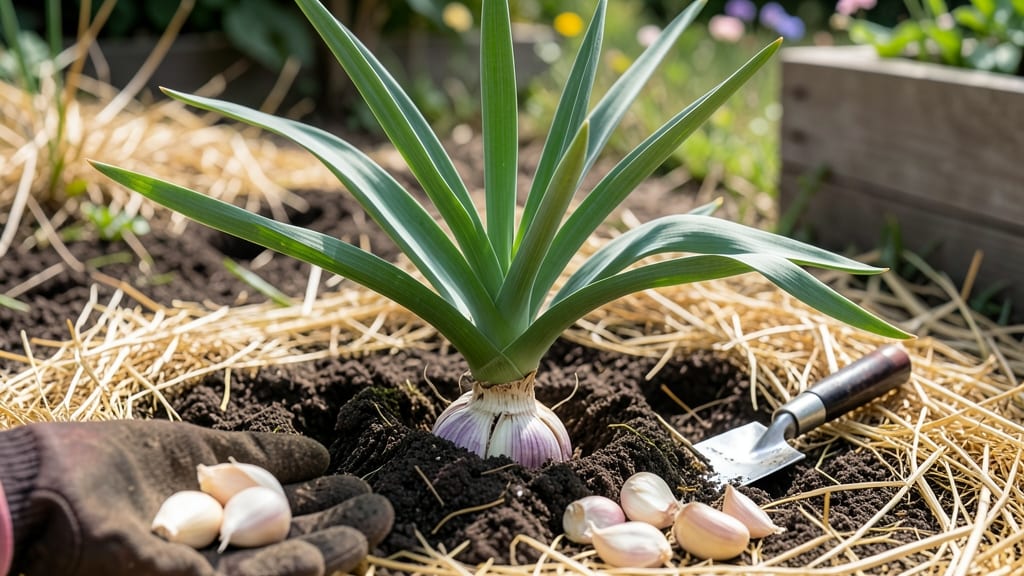
If you're wondering when should I plant garlic in Zone 6, timing is the secret weapon for growing big, flavorful bulbs. Planting too early or too late can leave you with weak harvests—or worse, no harvest at all.
The right window means the difference between a thriving crop of 🧄 and disappointment.
For Zone 6 gardeners, fall planting is your best bet, ideally between October and November. This gives the cloves time to establish roots before winter dormancy, setting the stage for strong growth come spring.
But don't worry if you miss that window—spring planting is still an option, though it requires extra care.
What makes fall planting so effective? The cooler soil temperatures help prevent rot while allowing roots to develop before the ground freezes. Plus, planting early enough ensures your garlic won’t bolt too soon, giving you the 240-300 days it needs to mature properly.
Ready to grow the best garlic you’ve ever had? I’ll walk you through the exact steps—from soil prep to spacing—to maximize your harvest. Let’s get those cloves in the ground at the perfect time!
Best months to plant garlic in Zone 6 for maximum yield
Garlic thrives in Zone 6 when planted during the fall, specifically between October and November. This timing allows roots to establish before winter dormancy, setting the stage for robust bulbs next summer. For hardneck varieties, this window is critical—they need cold exposure to form proper bulbs.
Spring planting is possible but less ideal, producing smaller bulbs. If you miss fall, aim for early spring (March)—just as the soil warms to 40-50°F. However, spring-planted garlic often matures later and yields less flavorful cloves. The key is soil temperature, not calendar dates.
In Zone 6, your last frost typically falls around November 15. Plant garlic 4-6 weeks before this date to ensure roots establish before freezing. For example, Midwestern gardeners should plant by early October, while coastal areas (like Virginia or Maryland) may extend planting until mid-November.
Regional microclimates matter! In colder Zone 6a areas (e.g., Chicago), plant by late September to avoid early freezes. Warmer Zone 6b regions (e.g., Washington, D.C.) can plant until early November. Always check your local USDA frost dates for precision.
| Planting Window | Ideal Months | Soil Temp | Notes |
|---|---|---|---|
| Fall Planting | October - November | 40-50°F | Best for hardneck varieties; roots establish before winter. |
| Spring Planting | March (early) | 40-50°F | Smaller bulbs; harvests later in summer. |
| Late Fall Planting | December (if mild) | 35-40°F | Risky; roots may not establish before freeze. |
Hardneck garlic varieties (like ‘Music’ or ‘German White’) perform best when planted in fall. They require vernalization—a cold period—to produce scapes and bulbs. Softneck varieties (e.g., ‘Silverskin’) are more flexible but still benefit from fall planting for larger yields.
If you’re unsure about your local frost dates, use a soil thermometer to confirm temperatures. Garlic cloves won’t sprout until soil reaches 40°F, so planting too early (e.g., September) can lead to rot. Wait until soil cools below 70°F at night to plant.
Pro tip: In Zone 6, cover planted garlic with 4-6 inches of mulch (straw or leaves) after planting. This insulates roots during winter fluctuations and suppresses weeds. Remove mulch in early spring to prevent rot as temperatures rise.
Missed the fall window? Don’t panic! Plant in early spring (March), but expect smaller bulbs and a later harvest. The trade-off is better than skipping garlic entirely. For spring planting, choose softneck varieties, which tolerate warmer soils better than hardnecks.
Remember: Garlic is a cool-season crop. Planting it too late (e.g., December) risks weak root development before winter. If your area has unpredictable freezes, err on the earlier side—October is safer than November in most of Zone 6.
How to prepare your soil and garlic cloves for fall planting
Preparing your Zone 6 soil and selecting the right garlic cloves is just as critical as timing. Garlic thrives in well-draining, nutrient-rich soil with a pH between 6.0 and 7.0.
Test your soil in early fall—amendments take time to integrate. If your soil is heavy clay, mix in compost or aged manure to improve drainage and aeration.
For acidic soil, add lime (1-2 pounds per 100 sq ft) to raise the pH. If your soil is too alkaline, incorporate sulfur (1/2 pound per 100 sq ft) to lower it.
Aim for a balanced NPK ratio of 5-10-10 when fertilizing—too much nitrogen promotes leafy growth at the expense of bulb size.
Choosing the right garlic cloves makes a huge difference. Select plump, firm cloves from large bulbs, as these produce the biggest harvests. Avoid cloves from the center of the bulb, as they’re smaller and less vigorous.
Break bulbs into individual cloves just before planting—never store them whole after separation, as they’ll dry out.
⚠️ Critical Warning: Avoid These Mistakes
Planting garlic in fresh manure or wet, compacted soil leads to rot and poor bulb formation. Never use chemical fertilizers high in nitrogen—they encourage leaf growth but stunt bulb development. Also, never plant garlic where onions or other alliums grew recently to prevent disease buildup.
Spacing is another often-overlooked factor. Plant cloves 4-6 inches apart in rows 12-18 inches apart. This prevents overcrowding, which leads to smaller bulbs and increased disease risk. For hardneck varieties, slightly wider spacing (6 inches apart) gives bulbs room to swell.
Press cloves 2 inches deep, with the pointy end up—this ensures proper shoot emergence.
After planting, cover the bed with 4-6 inches of organic mulch (straw or leaves). Mulch insulates roots during winter temperature swings and suppresses weeds. In Zone 6, remove mulch in early spring (March) to prevent rot as soil warms.
Water deeply but infrequently—aim for 1 inch per week—to encourage deep root growth.
One final tip: If your soil is sandy or drought-prone, mix in composted leaf mold to retain moisture. In clay-heavy soils, add coarse sand to improve drainage. The goal is loose, crumbly soil that holds moisture without becoming waterlogged.
With the right prep, your garlic will establish strong roots before winter—and reward you with bold, flavorful bulbs next summer.