
Plants
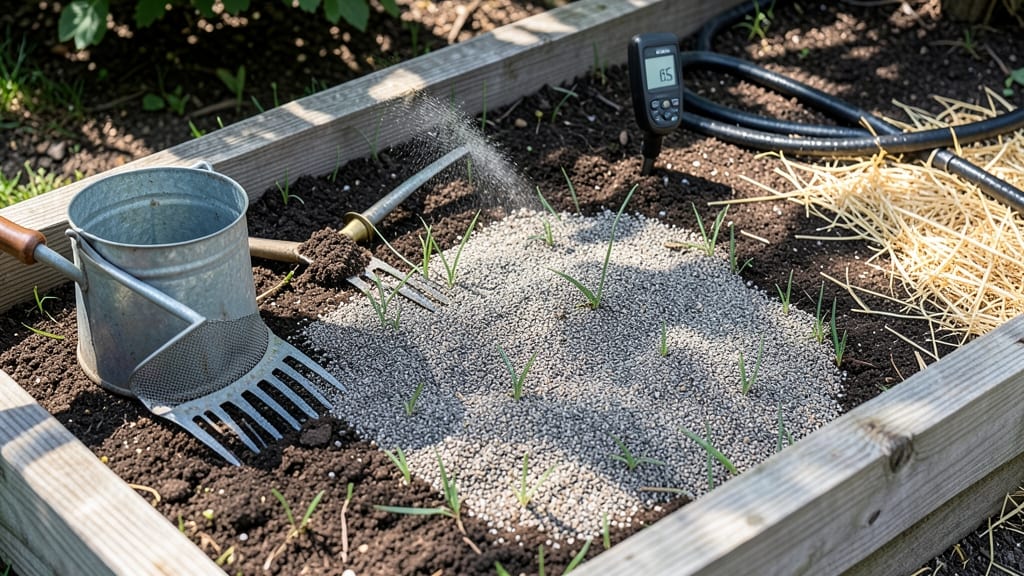
Timing your grass seed 🌱 planting in spring can make the difference between a lush lawn and months of frustration.
The best time isn't just about picking a random weekend in April—it's about aligning with soil temperatures, rainfall patterns, and your local climate zone to give those tiny seeds the fighting chance they deserve.
In USDA Zone 6 (where most of the U.S. falls), the sweet spot typically opens in early to mid-spring—usually between late March and early May—but your exact window depends on whether you're dodging late frosts or racing against summer heat.
Plant too early, and frost will kill your efforts; too late, and your lawn might struggle to establish before summer drought sets in.
What you're about to discover isn't just theory—it's practical, zone-specific advice that accounts for everything from soil readiness to regional rainfall trends.
Whether you're in the Pacific Northwest or the Midwest, we'll break down exactly when to plant, how to tell if your soil's ready, and what grass seed types thrive in your climate.
Skip the guesswork and learn how to time your planting for maximum success, so you can enjoy that green carpet underfoot all season long. Let's get started.
Exact spring weeks to plant grass seed by U.s. climate Zone
Timing your grass seed planting to soil temperatures between 60°F and 75°F maximizes germination success. In the Northern U.S. (Zones 3-5), this typically falls in late April to early May, while Southern regions (Zones 7-10) can start as early as mid-March.
Transition zones (6-6b) offer a 6-week window between early April and late May.
Your local last frost date isn't the only factor—rainfall patterns and soil moisture also play critical roles. For example, Pacific Northwest states like Washington may experience cooler, wetter springs, while Midwest states like Ohio often see warmer, drier conditions by May.
To find your exact planting window, check your USDA Hardiness Zone and cross-reference with the weekly soil temperature trends below. Cool-season grasses (like Kentucky bluegrass) thrive when planted 4-6 weeks before the last frost, while warm-season grasses (like Bermuda) should wait until after Memorial Day in most regions.
For example, in Zone 5 (Midwest), planting Kentucky bluegrass in late April gives seeds time to germinate before summer heat arrives. Meanwhile, tall fescue—a drought-tolerant option—can handle May planting in the same region. Southern states like Texas often see earlier planting (mid-March) to beat summer droughts.
Use a soil thermometer to confirm readiness—ideal germination temps for most grass seeds range from 60°F to 75°F. If your soil is below 50°F, delay planting until conditions improve. Cooler soils slow germination and increase disease risk.
Regional rainfall also impacts timing. In humid Southeast states, planting too early can lead to fungal diseases from excess moisture, while dry Southwest regions may require pre-plant irrigation to ensure seed-to-soil contact.
Always check your local 10-day forecast for consistent rainfall (1/2 inch per week) during the first 2 weeks after planting.
Pro tip: Test your soil's pH before planting—most grasses prefer a pH between 6.0 and 7.0. Adjust with lime (to raise pH) or sulfur (to lower pH) 4-6 weeks before seeding. Northern climates often need lime, while Southern soils may require sulfur.
If you're in a transition zone (like Virginia or Missouri), pay close attention to late frost warnings. Planting too early risks frost damage, while delaying too long may stress seeds before summer. A 6-week buffer between planting and the last frost date is ideal for cool-season grasses.
For warm-season grasses (like Zoysia or Centipede), aim for late spring planting—typically after Memorial Day in most regions. These grasses won't germinate in cool soil and may struggle if planted too early. Southern gardeners can start as early as March, but Northern growers should wait until June.
Remember: Grass seed needs consistent moisture to germinate. If your spring is uncharacteristically dry, consider using a seed starter fertilizer or covering seeds with straw to retain moisture until germination. Overwatering can wash seeds away, so a light misting (1/4 inch per day) is best until sprouts appear.
How to adjust planting time for early vs. late spring conditions
Spring’s unpredictable weather can turn your grass seed planting into a gamble if you don’t adjust for late frosts or early heat waves. The ideal planting window shifts based on your region’s frost dates and rainfall trends, so flexibility is key.
For example, in USDA Zone 5, a late frost in May might delay planting by weeks, while Zone 8 could face summer drought stress if you wait too long.
Your first clue is the soil temperature. Grass seeds need soil at least 50°F (10°C) for cool-season types (like Kentucky bluegrass) or 60°F (15°C) for warm-season grasses (like Bermuda).
Use a soil thermometer—if it’s colder, wait. Pro tip: Morning temperatures are often 5–10°F cooler than afternoon readings, so check early.
Don’t rely solely on frost dates—ground conditions matter just as much. If your soil is still waterlogged from winter rains, delay planting until it drains. Conversely, if a drought warning is in effect, prioritize planting before summer heat arrives.
In arid climates like Arizona, early April is critical to avoid seed desiccation.
🌱
⚠️ Late Frost Risks
Planting too early and hitting 32°F (0°C) frost can kill young seedlings. Check your local frost-free date (e.g., April 15 in Zone 6) and wait 2–3 weeks after the last frost. If unsure, use frost cloth for extra protection.
Adjusting for excessive rain is equally critical. If your area gets 2+ inches of rain weekly, seeds may wash away or rot. In these cases, plant on a dry day and water lightly afterward.
For dry spells, pre-water the soil and use mulch to retain moisture. In humid climates like the Southeast, fungicide-treated seed can prevent disease pressure from overcast skies.
Finally, consider microclimates—shady spots or low-lying areas may stay cooler longer. If your lawn has patchy sunlight, plant shade-tolerant grass seed (like fine fescue) earlier than full-sun varieties. Always test a small 10x10-foot patch first to gauge conditions before committing to the whole lawn.
By staying alert to weather forecasts and soil cues, you’ll avoid the two biggest spring planting pitfalls: frost damage and drought stress. With the right adjustments, your grass seed will germinate consistently and establish a thick, resilient lawn.
☀️