
Flowers
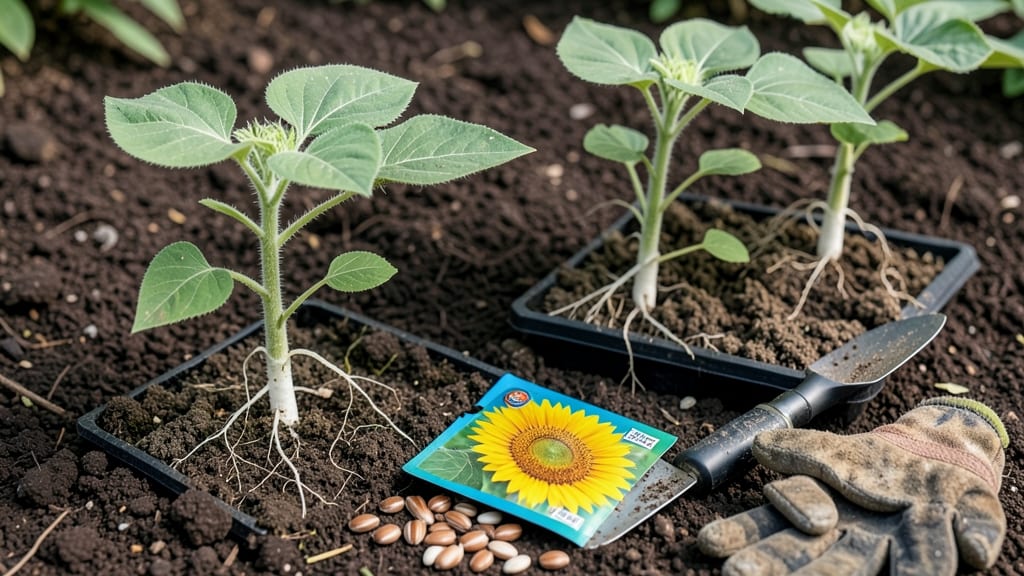
Timing your sunflower planting in Michigan isn’t just about the calendar—it’s about reading your soil’s secret signals.
Those towering 🌻 stalks you dream of won’t sprout until the earth warms to 55°F or higher, and Michigan’s fickle spring can turn a well-meaning gardener into a frost victim before you know it.
I’ve learned the hard way that planting too early—even with Michigan’s USDA zones 5b-6b in mind—means watching your seeds rot in cold, damp soil. But wait too long, and you’ll miss the July-September bloom window when those golden faces should be turning toward the sun.
The key? Mastering soil temperature triggers and regional microclimates that can shift planting windows by weeks.
What if I told you there’s a 3-step method to guarantee germination success, from testing soil warmth to adjusting for Michigan’s last frost dates (which can vary by 2 weeks from the Upper to Lower Peninsula)?
You’ll also discover how to stretch your growing season with simple tricks that work even when Mother Nature throws a curveball.
Let’s cut through the guesswork and get those sunflower seeds in the ground at the perfect moment—so you’re rewarded with 10-foot-tall giants that’ll make your neighbors green with envy. Ready to unlock the secrets?
Optimal Michigan sunflower planting dates based on soil temperature
Sunflowers thrive in Michigan’s USDA zones 5b-6b, but soil temperature—not just calendar dates—determines success. Seeds need consistent soil temps of 50°F+ to germinate, while seedlings tolerate cool air temps down to 45°F.
Southern Michigan (like Detroit) often hits these thresholds by late April to early May, while the Upper Peninsula may wait until mid-May.
Michigan State University’s frost data shows the average last frost date ranges from April 15 in southern regions to May 10 in the UP. However, soil warms slower than air, so don’t rush—wait for 55°F soil temps at 2-inch depth before planting.
A soil thermometer is your best friend here!
For direct sowing outdoors, aim for April 30 to May 15 in most of Michigan, adjusting 2 weeks later in the UP. This window balances frost risk with sunflower germination speed (5-14 days).
In containers or greenhouses, you can start seeds indoors 2-3 weeks earlier (mid-April) using grow lights.
🌱Pro Tip: Use black plastic mulch to raise soil temps by 5-10°F, letting you plant 1-2 weeks earlier without frost risk.
🌱 Michigan Sunflower Planting Timeline
| Region | Soil Temp Threshold | Direct Sowing Window | Indoor Start Window |
|---|---|---|---|
| Southern MI (Detroit, Lansing) | 50°F+ (late April) | April 30–May 15 | Mid-April (2-3 wks before) |
| Central MI (Grand Rapids) | 50°F+ (early May) | May 1–May 15 | Late April |
| Upper Peninsula (Marquette) | 50°F+ (mid-May) | May 15–May 30 | Early May |
🌡️ Key: Adjust dates 1-2 weeks later for high-altitude areas or earlier if using row covers.
If you miss the spring window, fall planting is possible in southern Michigan—sow August 1–15 for late-summer blooms. However, northern regions should avoid fall planting due to shorter daylight and earlier frosts. Always check Michigan State’s frost maps for your specific location.
For transplanting seedlings, harden them outdoors for 5-7 days before moving to the garden after last frost. Space dwarf varieties 12 inches apart and giant types 24+ inches apart to prevent competition. Deep watering at transplant reduces shock and encourages root growth.
💡 Remember: Sunflowers are fast growers—if planted too late, they may bolt before reaching full height. Aim for peak bloom in July-August by following your region’s soil temp cues.
For container growing, use 5-gallon pots and plant 2 weeks earlier than outdoor dates—containers heat up faster but also dry out quicker. Place pots in full sun and water daily until established.
☀️ Final Check: Before planting, test your soil’s pH (6.0-7.0 ideal) and drainage. Amend with compost if needed—sunflowers hate soggy roots but love nutrient-rich soil.
Sunflower varieties and their ideal planting timing in Michigan
Michigan’s diverse climate zones mean not all sunflower varieties thrive equally. Dwarf varieties like 'Moulin Rouge' (3–4 feet) bloom faster, while 'Russian Giant' (10–15 feet) need longer growing seasons. Your choice directly impacts your planting window and success rate.
For short-season areas (Upper Peninsula, USDA Zone 5b), prioritize early-maturing varieties like 'Teddy Bear' (60–70 days) or 'Autumn Beauty' (80–90 days). These tolerate cooler soils and still produce vibrant blooms before frost.
Southern Michigan gardeners (Zones 6a–6b) can experiment with taller varieties like 'Mammoth Russian' (120–140 days), but plant them no later than late May to ensure full maturity before fall frosts.
🌱 Pro Tip: Check seed packets for days-to-maturity labels. Subtract this from your first frost date (mid-October) to calculate your latest safe planting window.
Variety Comparison
Best for Michigan| Variety | Height | Days to Bloom | Planting Window | Cold Tolerance |
|---|---|---|---|---|
| Moulin Rouge | 3–4 ft | 50–60 days | Late April–June | High |
| Teddy Bear | 3–5 ft | 60–70 days | Mid-April–May | Very High |
| Russian Giant | 10–15 ft | 120–140 days | Late April–early May | Moderate |
| Autumn Beauty | 4–5 ft | 80–90 days | Mid-April–June | High |
Heat-tolerant varieties like 'Evening Sun' (80–90 days) shine in southern Michigan’s hot summers, while bicolor varieties (e.g., 'Autumn Beauty') add visual interest and extend your bloom season into early fall.
🌻 Remember: Even the hardiest varieties need consistent moisture during germination. Use row covers for early plantings to protect seedlings from late frosts.