
Plants
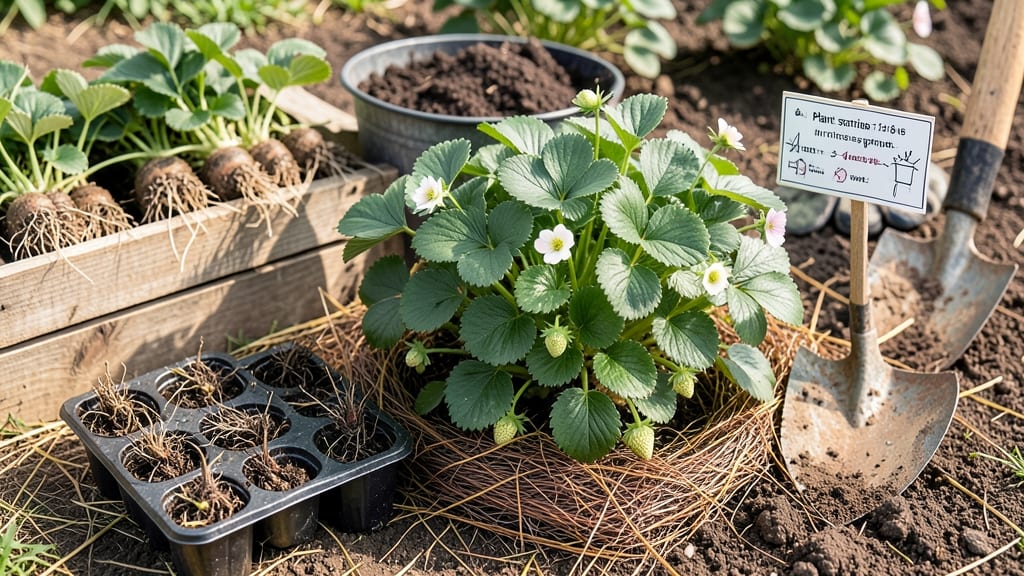
Planting strawberries in Virginia isn't just about grabbing a plant and sticking it in the ground—it's about matching your variety to the chill hours your region needs for sweet, productive fruit.
Whether you're growing June-bearing 🍓 varieties for that one massive harvest or everbearing types for months of berries, timing is everything.
Virginia's 7a-8a zones mean your last frost typically arrives around mid-April, but that doesn't mean you should rush. Planting too early risks frost damage, while waiting too long might leave your strawberries struggling to establish roots before summer heat sets in.
The sweet spot? Early spring or early fall when soil temperatures cooperate.
Here's the game-changer: June-bearing varieties need 500-1,000 chill hours to fruit properly, while everbearing types thrive with fewer. We'll break down exactly when to plant each type in Virginia's microclimates—from Tidewater's milder coast to the Piedmont's cooler hills—so you can avoid common mistakes that waste your gardening efforts.
Get this right, and you'll enjoy plump, sweet strawberries all season. Let's dive into the perfect planting windows that actually work for Virginia gardeners—no guesswork required.
Virginia’s chill-hour zones: how cold requirements dictate strawberry planting months
Virginia’s climate varies dramatically from the coastal Tidewater region to the mountainous Shenandoah Valley, creating distinct chill-hour zones that directly impact when you can plant strawberries.
Most of Virginia falls within USDA Zones 7a-8a, but chill-hour requirements (the number of hours below 45°F needed for dormancy) vary significantly—from 300 hours in the warmer coastal areas to 1,000+ hours in the mountains.
This variation means June-bearing varieties (like Chandler) thrive in areas with 500-800 chill hours, while everbearing varieties (like Albion) tolerate 300-600 chill hours. Matching your variety to your zone ensures robust flowering and fruiting, not just survival.
For example, gardeners in Northern Virginia (Zone 7b) can plant June-bearing strawberries in early spring (March-April) or early fall (September-October), while those in Southside Virginia (Zone 7a) should opt for everbearing varieties planted in fall only to avoid winter dieback.
The Piedmont region (e.g., Richmond) typically sees 600-800 chill hours, making it ideal for both June-bearing and everbearing types, but timing is critical. Planting too early risks frost damage, while planting too late may delay fruiting until summer heat sets in.
Virginia Strawberry Planting Guide by Region
| Region | Chill Hours | Best Varieties | Ideal Planting Window |
|---|---|---|---|
| Coastal (Tidewater) | 300-500 | Albion, Seascape | September-October (fall only) |
| Piedmont (Richmond) | 600-800 | Chandler, Jewel | March-April or September |
| Shenandoah Valley | 800-1,000+ | Honeoye, Sparkle | March-April (spring preferred) |
Understanding your local chill hours is easier than you think. Check your last frost date (typically mid-April in most of Virginia) and count backward from September 1 to estimate your fall planting window.
For spring planting, aim to plant 4-6 weeks before the last frost to give roots time to establish before warm weather arrives.
If you’re unsure about your chill hours, use a strawberry chill-hour calculator (like the one from Virginia Cooperative Extension) or observe your local USDA climate data.
For instance, Roanoke (Zone 7b) has ~700 chill hours, while Norfolk (Zone 8a) has only ~400, making everbearing varieties the safer bet in coastal areas.
Another critical factor is soil temperature. Strawberries need soil temps of at least 40°F for roots to grow and 50-60°F for active growth. In Virginia, soil warms up faster in southern regions (like Hampton Roads) than in the mountains, so adjust your planting schedule accordingly.
For container-grown strawberries, timing is slightly more flexible since pots warm up faster. You can plant them 2-3 weeks earlier than bare-root varieties in spring, but avoid planting containers in fall if frost is likely within 6-8 weeks.
Containers also dry out faster, so daily watering is a must in Virginia’s summer heat.
Pro tip: If you’re in a warmer microclimate (like a sunny urban area), everbearing varieties like Seascape will produce two harvests—one in spring and another in fall—while June-bearing varieties like Chandler focus all their energy on a single massive harvest in late spring.
Finally, remember that Virginia’s humidity can stress strawberries, especially in summer. Planting in early fall (September-October) gives plants time to establish roots before the heat of summer, reducing the risk of fungal diseases like gray mold.
Step-by-step planting timeline: when to plant bare-root vs. container strawberries in Virginia
Virginia gardeners have two prime windows for planting strawberries: early spring and early fall. Each method—bare-root or container-grown—has its own ideal timing to maximize root establishment before summer heat or winter cold sets in. Let’s break down the exact steps for each season and variety type.
For June-bearing varieties like Chandler or Jewel, timing is critical because they need 60-75 days to establish roots before producing fruit. Plant them 4-6 weeks before your last frost date (typically mid-March to early April in most of Virginia).
This gives roots time to spread before the main growing season begins.
📅 Visual Guide: Planting Timeline
Container-grown strawberries are more flexible and can be planted throughout the growing season (March–October), but they thrive best when planted in early spring or early fall. The key is ensuring roots have time to establish before extreme temperatures arrive.
For example, planting Albion (everbearing) in late September gives it time to root before winter dormancy.
Pro tip: If you’re planting in fall, focus on everbearing varieties like Seascape or Ozark Beauty. These types produce fruit in both spring and fall, making them ideal for Virginia’s shorter growing seasons. Mulch heavily with straw to protect roots from winter temperature swings.
Remember, Virginia’s USDA zones 7a–8a mean your last frost varies by region. In the Piedmont, aim for March 20–April 5, while Tidewater gardeners can plant as early as February 20–March 10**. Always check your local frost dates to fine-tune timing!