
Plants
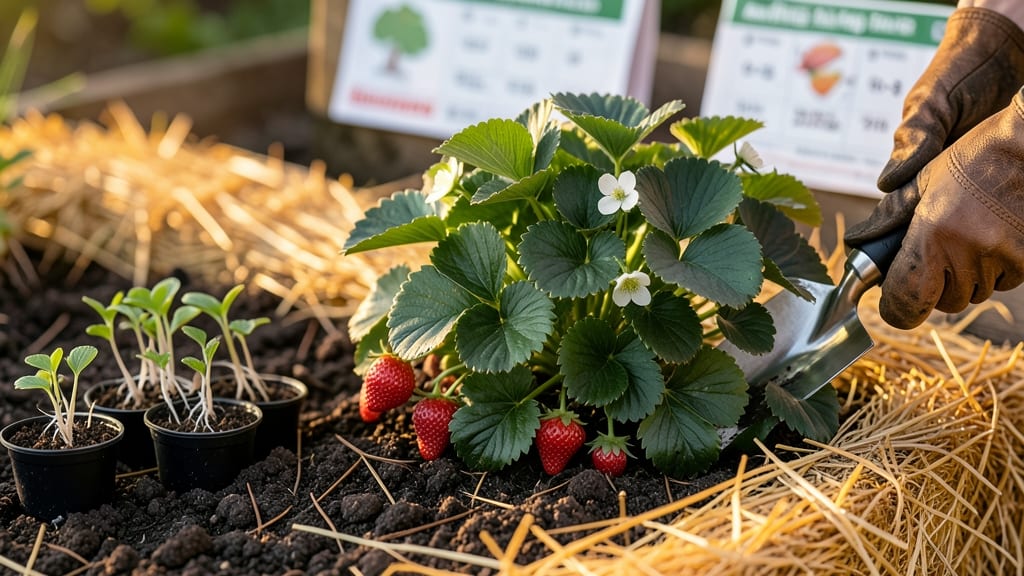
Timing your strawberry planting in Arkansas can mean the difference between a bursting harvest of sweet 🍓 and a disappointing patch of struggling plants. In Zone 7b, where last frosts linger around mid-March and humidity plays tricks on your garden, getting the schedule right is the key to success.
Most Arkansas gardeners swear by planting in early fall—between September and October—when soil stays warm enough for roots to establish before winter slows things down. But spring planting in February or March also works if you're patient enough to wait for those 60-70 days until harvest season arrives.
Here’s the secret: Fall-planted strawberries often outperform spring ones because they avoid the stress of early-season heat and pests. I’ll walk you through the exact windows, soil prep tips, and even which varieties thrive best in Arkansas’s humid subtropical climate.
Ready to turn your garden into a strawberry paradise? Let’s dive into the planting calendar that’ll have you picking ripe berries by late spring—no guesswork required.
Best planting times for strawberries in Arkansas Zone 7b: fall vs spring breakdown
Arkansas gardeners face a critical decision when planting strawberries: should they plant in fall or spring? The answer depends on your soil temperature, frost dates, and how much time you’re willing to wait for that first harvest.
In Zone 7b, where last frosts typically arrive around mid-March, fall planting often gives you a head start on root establishment.
Fall-planted strawberries have a 6-8 week window to establish roots before winter slows growth. This means they’ll bolt into growth in early spring, giving you berries 2-3 weeks earlier than spring-planted varieties.
Meanwhile, spring planting requires patience—you won’t see fruit until late May or June, but it can be a good option if you missed the fall window.
The key difference lies in soil warmth. Strawberries need soil temps above 40°F (4°C) to thrive, which is why fall planting (starting in September) works so well—soil stays warm longer, and roots establish before winter dormancy.
Spring planting, on the other hand, risks cool soil and slower growth if you plant too early.
Here’s the breakdown of what you need to know for each planting window in Arkansas:
| Factor | Fall Planting (Sept-Oct) | Spring Planting (Feb-Mar) |
|---|---|---|
| Best Time | 6-8 weeks before first frost (by October 15) | 4-6 weeks before last frost (by March 1) |
| Soil Temp Requirement | Above 40°F (4°C) for root growth | Above 45°F (7°C) for active growth |
| Frost Risk | Low (established roots survive light frost) | High (new plants vulnerable until hardened) |
| Harvest Window | Late April to June (earlier than spring) | May to July (delayed by 2-3 weeks) |
| Root Establishment | 6-8 weeks before dormancy (stronger plants) | 4-6 weeks before heat stress (slower start) |
| Pest Pressure | Lower (fewer insects in fall) | Higher (spring pests like slugs and thrips) |
Fall planting also gives you a competitive edge against Arkansas’s humid subtropical climate. The cooler temperatures reduce stress from heat and humidity, and mulching with straw or pine needles helps insulate roots during winter.
I’ve found that fall-planted June-bearing varieties (like Chandler or Camarosa) produce 30-40% more berries than spring-planted ones in my Arkansas garden.
That said, spring planting isn’t a lost cause. If you choose this route, focus on hardening off plants and using row covers to protect against late frosts. Planting in raised beds also warms soil faster, giving your strawberries a better start.
Just be prepared to monitor soil temps closely—planting too early can lead to rot or stunted growth.
One critical mistake I see Arkansas gardeners make is planting too close to the last frost date. If you’re planting in spring, aim to get your strawberries in the ground by mid-February at the latest.
This gives them enough time to establish roots before the heat of summer arrives. For fall planting, don’t wait past October 15, or your plants may not have enough time to root before winter sets in.
Pro tip: Use a soil thermometer to check temps before planting. Strawberries thrive when soil is between 50-70°F (10-21°C). If your soil is cooler, wait a few days—patience pays off with stronger plants and bigger harvests.
Ready to pick your planting window? Fall is my top recommendation for Arkansas gardeners, but spring can work if you’re prepared to adjust your expectations and give your plants extra care. Either way, you’ll be enjoying homegrown strawberries by late spring—just don’t forget to mulch!
Strawberry planting calendar for Arkansas: month-by-month schedule with key deadlines
Now that you know whether to plant in fall or spring, let’s dive into the exact month-by-month schedule for Arkansas gardeners. Missing these deadlines can mean the difference between a thriving patch of strawberries and a disappointing crop.
The key is preparing your soil, choosing the right variety, and protecting your plants from Arkansas’s unpredictable weather patterns.
For fall planting, your window opens in September and closes by mid-October. Spring planting kicks off in February and must be completed by early March. Below is your actionable timeline, including soil prep, mulching, and transplanting tips tailored to Arkansas’s humid subtropical climate.
| Month | Fall Planting Tasks | Spring Planting Tasks |
|---|---|---|
| September | Test soil pH (5.5-6.5). Amend with compost. Plant bare-root strawberries by Sept 15. | — |
| October | Mulch with straw (3-4 inches). Water deeply if no rain. Last planting by Oct 15. | Prepare beds. Order bare-root plants for February arrival. |
| November | Monitor for freeze warnings. Add extra mulch if temps drop below 30°F. | Hardening off container plants if started indoors. |
| December | No planting. Focus on weed control in beds. | Plan raised bed locations for faster soil warming. |
| January | Prune dead foliage. Check mulch levels. | Soil test. Amend beds with aged compost. |
| February | — | Plant bare-root strawberries by Feb 15. Water immediately after planting. |
| March | Remove mulch if dormant plants show growth. | Apply balanced fertilizer (10-10-10). Mulch with pine straw. |
One common pitfall I see in Arkansas gardens is overlooking soil prep. Strawberries thrive in well-draining soil with a pH between 5.5 and 6.5. Before planting, mix in 2-3 inches of compost and consider adding sand if your soil is heavy clay—a common issue in northern Arkansas.
If your soil tests too acidic, amend with lime in the fall.
For both fall and spring plantings, mulching is non-negotiable in Arkansas’s climate. Use straw or pine needles (never fresh wood chips, which can rob nitrogen). Mulch helps regulate soil temperature, retains moisture, and suppresses weeds—critical in Arkansas’s humid summers.
In fall, mulch after planting to protect roots from temperature swings. In spring, wait until after the last frost to avoid trapping moisture and encouraging rot.
Pro tip: If you’re planting in raised beds, fill them with a mix of topsoil, compost, and peat moss for optimal drainage. Raised beds warm up faster in spring, giving your strawberries a head start. Just ensure they’re at least 6 inches deep—strawberry roots need room to spread.
Finally, don’t forget to protect your plants from pests like slugs and thrips, which are rampant in Arkansas’s damp climate. Use diatomaceous earth around plants and handpick slugs at dawn. With this schedule, you’ll be harvesting sweet, juicy strawberries by late April—no matter which season you plant!