
Plants
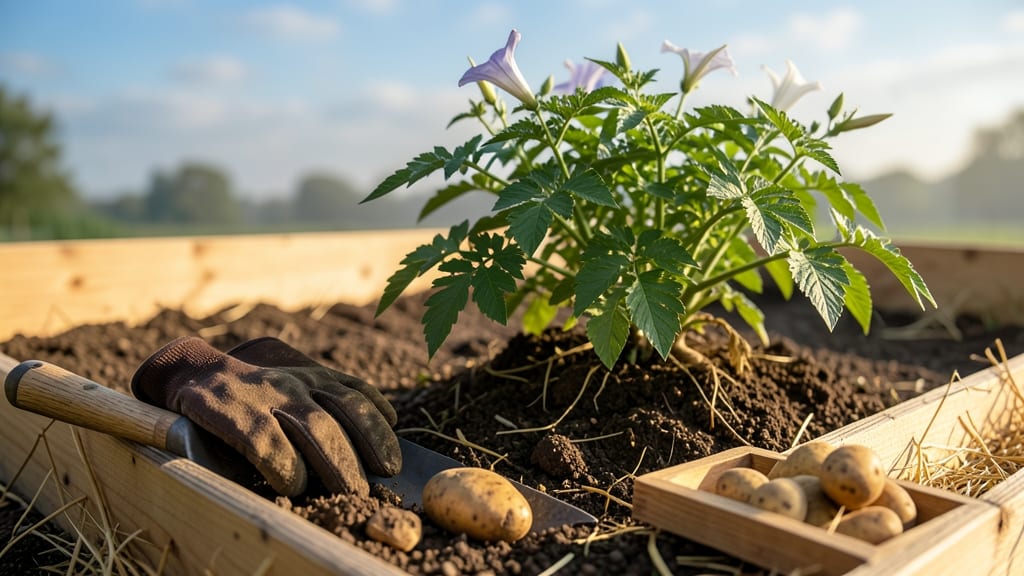
If you're dreaming of a bountiful harvest of crisp, homegrown 🥔 potatoes, timing your planting is the key to success in Virginia's unique climate. The wrong schedule could mean stunted growth or even disease, while the right window unlocks the potential for best yields and healthier tubers.
Virginia's USDA Zone 7a climate—with its mild winters and humid summers—creates an ideal environment for potatoes, but getting the timing right is everything. Plant too early, and you risk frost damage; too late, and your harvest may suffer from blight or heat stress.
The secret lies in understanding when to start your seed potatoes for that perfect balance between soil warmth and moisture.
In this guide, I'll walk you through the exact planting windows for Virginia's spring season, from early March to mid-April, and how to adjust based on your local frost dates.
Whether you're a first-time gardener or a seasoned grower, these insights will help you avoid common pitfalls and set your potatoes up for a thriving, productive season.
You'll also discover which potato varieties thrive best in Virginia's conditions, how to prepare your soil for maximum growth, and when to expect your first harvest. Let's dig in and make sure your potato patch becomes the star of your garden this year!
Virginia planting potatoes by USDA Zone: exact dates for success
Virginia’s three main USDA growing zones—Zone 6, Zone 7, and Zone 8—each have unique frost patterns that dictate the perfect potato planting window.
In Zone 6 (northwest Virginia), where last frosts average April 15, you’ll want to start seed potatoes indoors in March or plant directly in late March to early April.
For Zone 7 (central Virginia), which includes Richmond and Charlottesville, aim for early to mid-March planting—about 4-6 weeks before your average last frost date of March 25.
Meanwhile, Zone 8 (southeastern Virginia) enjoys warmer springs, so you can plant as early as February 15 for early varieties or wait until late March for main-season crops.
Here’s the breakdown you need to plan your planting schedule with confidence:
| USDA Zone | Last Frost Date | Ideal Planting Window | Soil Prep Time | Harvest Window |
|---|---|---|---|---|
| Zone 6 | April 15 | Late March - Early April | February - Early March | Late July - Early September |
| Zone 7 | March 25 | Early - Mid March | January - February | Mid-July - Mid-September |
| Zone 8 | March 1 | Mid-February - Late March | January | June - October |
Pro tip: Use early-maturing varieties like Yukon Gold in Zone 8 for a June harvest, while late-blight-resistant types like Red LaSoda work better in Zone 6 to avoid summer diseases. Always adjust your planting date if you experience unusually cold springs—wait until soil temps reach 45°F for best germination.
Soil preparation is just as critical as timing. In Zone 6, where soils can stay cold longer, add compost or aged manure in February to warm the earth faster. For Zone 8, focus on drainage to prevent waterlogging during Virginia’s humid summers.
Test your soil’s pH (aim for 5.0-6.5) and amend with lime or sulfur as needed before planting.
For a second crop, consider fall planting in Zone 8—plant seed potatoes in August for a harvest before the first frost in November. This strategy extends your growing season and reduces pest pressure.
Just be sure to use disease-resistant varieties like Adirondack Red to combat Virginia’s damp autumn conditions.
Remember, potatoes thrive in cool soil but struggle in heat. Planting too late in Zone 7 or Zone 8 risks heat stress, which can cause blossom-end rot or stunted tubers. Stick to these zone-specific windows, and you’ll be well on your way to a bountiful harvest of homegrown spuds!
How to time potato planting for Virginia’s climate: avoiding blight and heat stress
Virginia’s humid summers and unpredictable spring weather can turn a great potato harvest into a disaster if you plant at the wrong time. The key to success lies in understanding how temperature, rainfall, and disease pressure interact in your specific zone.
In Zone 6, for example, planting too early risks late frosts, while Zone 8 gardeners must avoid heat stress that stunts tuber development.
Potatoes thrive when soil temperatures hover between 45°F and 75°F. If you plant when the ground is too cold (below 45°F), germination slows dramatically. Conversely, planting when soil temps exceed 75°F can lead to blossom-end rot or tuber malformation.
Use a soil thermometer to check conditions before planting—aim for 50°F+ for best results.
Here’s what you need to watch for in Virginia’s climate to avoid common pitfalls:
⚠️ Watch Out for These Climate Risks
- Late Spring Frosts: Zone 6 and Zone 7 can see frosts until April 15. Plant too early, and tender sprouts will die.
- Blight Pressure: Virginia’s humid summers create ideal conditions for late blight. Plant early-maturing varieties to harvest before peak disease risk (July-August).
- Heat Stress: In Zone 8, soil temps can exceed 85°F by June. Use mulch to keep tubers cool and plant shallow (3 inches deep) for better heat tolerance.
- Waterlogging: Heavy spring rains in Zone 7 can drown potatoes. Ensure raised beds or well-draining soil to prevent rot.
To maximize your harvest, align your planting schedule with Virginia’s three harvest windows. For early potatoes, plant seed potatoes in February-March (Zone 8) or March-April (Zones 6-7) and harvest in June-July before the heat sets in.
These 60-75 day varieties (like Red Norland) escape summer blight and deliver crisp tubers.
For main-season crops, time planting for a July-August harvest. In Zone 7, this means planting in early April—just as the soil warms but before blight spores spread.
In Zone 8, you can stretch this window to late March for a harvest in August-September. Choose 90-day varieties like Kennebec for reliable yields.
If you’re aiming for a fall harvest, plant seed potatoes in August (only in Zone 8) for tubers ready by October-November. This strategy works best with cold-hardy varieties like Purple Viking and requires well-draining soil to prevent rot from autumn rains.
Just remember: fall-planted potatoes need full sun and consistent moisture to compensate for shorter daylight.
Pro tip: Use row covers in Zone 6 to extend your planting window by 2-3 weeks in spring. These lightweight fabrics protect young plants from late frosts while allowing sunlight and water to penetrate.
Remove covers once true leaves appear to avoid overheating. For Zone 8 gardeners, shade cloth (30% coverage) can help prevent heat stress during peak summer months.