
Companion Plants
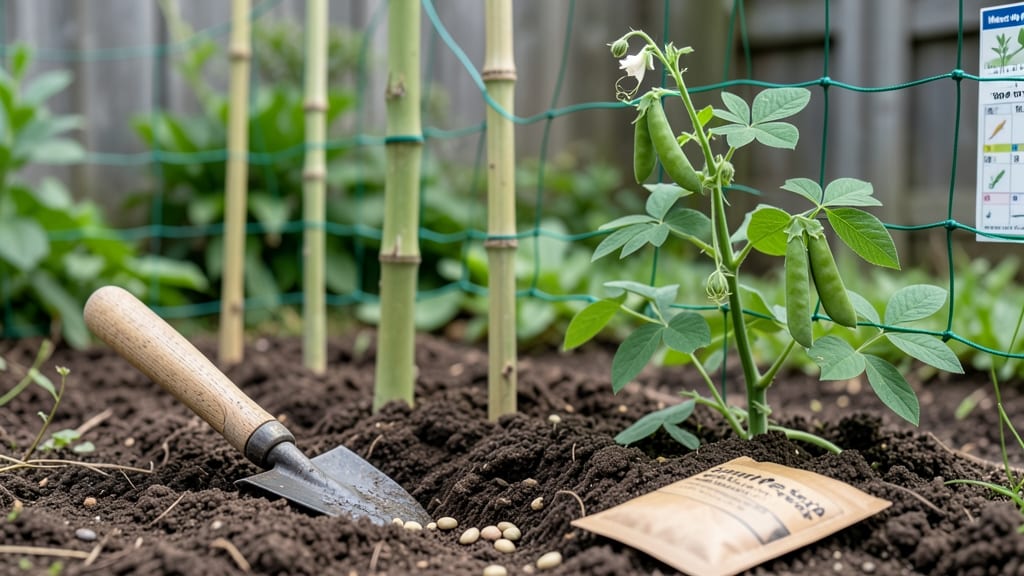
There’s nothing quite like knowing when to plant peas in the UK and biting into a fresh, sweet pea straight from your garden—except maybe the disappointment of watching them wilt from a late frost.
Timing your pea planting just right can make all the difference between a thriving crop and a sad, frost-nipped failure.
If you’ve ever wondered when to plant peas in the UK, the answer isn’t one-size-fits-all. The ideal planting window shifts depending on your region—whether you’re in frost-prone London (~Zone 8a) or milder Cornwall (~Zone 9a).
But here’s the good news: with the right timing and a few simple tricks, you can enjoy a steady harvest from May all the way through to November.
Let’s break down the exact months to sow for zero frost risk, how to prep your soil for early planting, and why some gardeners swear by succession planting. By the end, you’ll know exactly when to pop those 🌱 peas in the ground for a bumper crop—no guesswork required.
Ready to turn your garden into a pea powerhouse? Let’s get started with the perfect planting schedule for your UK climate.
UK pea planting calendar by region: exact months to avoid frost
Peas thrive in the UK's cool climate, but timing is everything to avoid late frosts that can devastate tender seedlings. The last frost dates vary dramatically—from late March in London to early May in Scotland—so your planting window depends entirely on where you live.
Early varieties like 'Meteor' or 'Feltham First' are hardy enough to handle light frosts, while maincrop types need warmer soil.
For southern England (e.g., London, Kent), aim to sow peas from mid-February through early April. In the Midlands, push planting back 1-2 weeks to late February to late March to avoid unexpected cold snaps.
Northern regions like Yorkshire or Manchester should wait until late March to early April, while Scotland gardeners should hold off until April to early May.
Regional microclimates matter too—coastal areas like Cornwall can plant 2 weeks earlier than inland spots due to milder temperatures. Even a 10°F difference in nighttime lows can mean the difference between success and failure for your peas.
| Region | Last Frost Avg. | Early Varieties | Maincrop Varieties | Late Varieties |
|---|---|---|---|---|
| South England | Late March | Mid-Feb to early April | Early April to mid-May | Late May to June |
| Midlands | Early April | Late Feb to late March | Late March to early May | Early June to July |
| North England | Mid-April | Late March to early April | Early April to mid-May | Late June to July |
| Scotland | Early May | April to early May | Late April to June | July to August |
If you're unsure about your local frost dates, check the Met Office's historical data for your nearest town. Even a 1-2 week delay can protect your peas from black rot or pea moth infestations, which thrive in warm, early springs.
For extra safety, use cloches or fleece covers until soil temperatures hit 50°F (10°C).
Don't forget about late summer planting! For a second harvest, sow dwarf varieties like 'Tom Thumb' in August to early September. These mature quickly before the first frosts hit in October.
Just be prepared to protect young plants with row covers if temperatures dip below 40°F (4°C).
For container growing, which warms up faster, you can start 2-3 weeks earlier than in-ground planting. Black pots absorb heat better than terracotta, giving seedlings a head start in chilly UK springs. Just ensure containers have drainage holes to prevent waterlogged roots.
Pro tip: Plant a test row of peas 2 weeks before your usual schedule. If they survive without damage, you’ve found your local sweet spot for early sowing. This simple trick can extend your harvest by 3-4 weeks compared to waiting for the "safe" date.
Remember, peas are self-pollinating, so spacing isn't as critical as timing. Aim for 2-3 inches between seeds in rows 18-24 inches apart to allow airflow and reduce disease risk. In tight spaces, bush varieties like 'Douce Provence' save room while still delivering sweet pods.
Finally, mark your calendar for late October—that’s when most UK regions face their first killing frost. By then, you should have harvested all your maincrop peas or protected late varieties with mulch or cloches to extend their season.
How to time pea planting for maximum yield: soil, variety, and weather tricks
Choosing the right pea variety is your first step to success. Early varieties like Meteor or Feltham First thrive when sown from February to March, while maincrop types such as Douce Provence or Kelvedon Wonder need March to April planting.
For a late-summer harvest, opt for August sowing with varieties like Hurst Green Shaft—these love cooler autumn temps.
Your soil must be cool, well-draining, and rich in organic matter. Work in compost or well-rotted manure 2-3 weeks before planting to improve fertility. Peas hate waterlogged soil, so raise beds in heavy clay areas or plant on slopes for better drainage.
A quick soil test for pH 6.0-7.0 ensures optimal nutrient uptake.
🌱 Pro Tip: Use cloches or fleece covers for early sowings in March to protect tender seedlings from late frosts. Even a light hessian sack over frames can raise soil temps by 2-3°C, speeding germination. Remove covers once true leaves appear to avoid overheating.
Succession Planting Hack
Sow peas every 3 weeks from March to May for a continuous harvest. Use short varieties like 'Tom Thumb' in containers for balconies, or climbing types in trellises to maximize space. Late August sowings yield sweet autumn peas—perfect for Christmas dinner!
Watch the weather forecast for 5 consecutive frost-free days before planting outdoors. In Scotland or Northern England, wait until mid-April to avoid ground frost, while Southern England gardeners can start as early as late February.
For container growing, use black plastic pots to warm soil faster in cold snaps.
After sowing, water deeply but infrequently—peas have shallow roots and need consistent moisture without soggy soil. Mulch with straw or grass clippings to retain moisture and suppress weeds. Avoid overhead watering to prevent fungal diseases like powdery mildew, which thrives in humid UK springs.
🌿 Key Takeaway: Pair early varieties with cloches, maincrop with compost-rich soil, and late sowings with trellises for vertical space. With these tricks, you’ll enjoy sweet peas from May to November—no frost risk in sight!