
Companion Plants
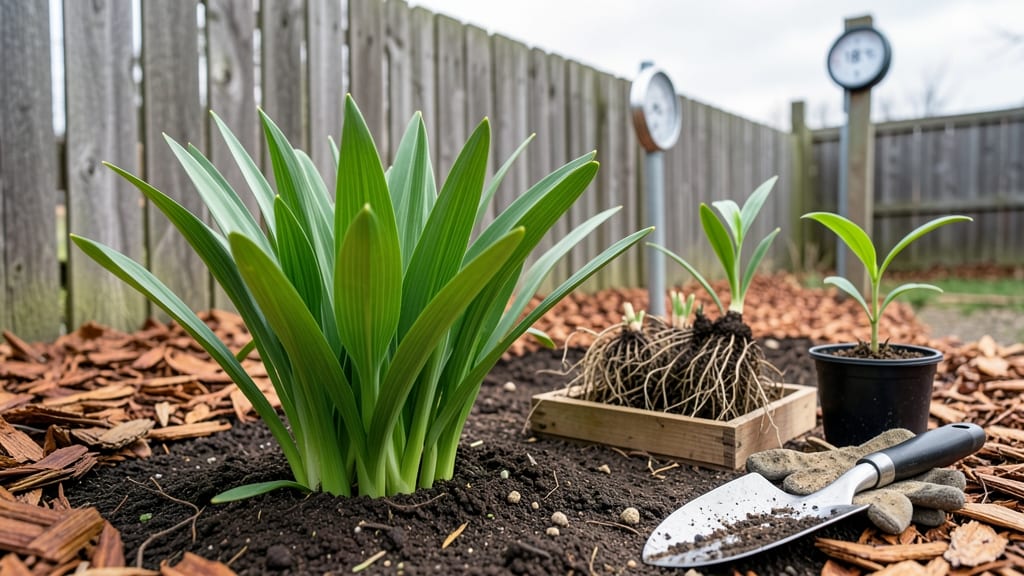
Timing your perennial planting in Zone 5 isn't just about throwing seeds in the dirt—it's about giving your 🌱 plants the best shot at survival and growth. Skip the guesswork, and you could end up with weak, frost-bitten starts instead of a lush, long-lasting garden.
Here's the deal: Zone 5's last frost typically hits around May 10, but that doesn't mean you should wait until then to plant. The key is understanding which perennials thrive when planted in early spring versus those that do better in early fall.
Some varieties, like peonies, need that spring window, while others, like hostas, establish roots better in the cooler fall months.
I'll break down exactly when to plant your perennials—whether you're working with herbaceous types or woody shrubs—so you can avoid common mistakes. Plus, I'll show you how to adjust for your local microclimate, because not every Zone 5 garden behaves the same way.
Ready to transform your garden from a gamble to a guaranteed success? Let's dive into the science-backed planting schedule that'll have your perennials thriving for years to come.
Zone 5 perennial planting timeline by frost-date categories
Zone 5’s unpredictable frost dates (last spring frost: April 15–May 15, first fall frost: September 15–October 15) make timing critical for perennials. Plant too early, and frost will kill tender roots; too late, and your plants won’t establish before winter.
The key? Align your planting with soil temperatures (aim for 50–60°F) and frost-free windows.
Most Zone 5 perennials thrive when planted in either early spring (after last frost) or early fall (6–8 weeks before first frost).
Spring plantings give roots time to grow before summer heat, while fall plantings reduce transplant shock and encourage root development before dormancy. Herbaceous perennials (like coneflowers) adapt better to spring, while woody perennials (like shrubs) often prefer fall.
Here’s your frost-date cheat sheet for Zone 5, broken down by planting category to maximize success:
For Zone 5’s variable climate, use a soil thermometer to confirm temperatures before planting.
Most perennials need 6–8 weeks to establish roots before winter, so late September is often the safest fall window. Hardy perennials like sedum or salvia can handle earlier plantings, while tender varieties (e.g., canna lilies) need to wait until after last frost.
Pro tip: Mulch immediately after planting (2–3 inches of straw or shredded leaves) to insulate roots and retain moisture. This is especially critical in Zone 5’s dry summers or cold snaps that can occur as late as June.
If you’re planting biennials (like foxgloves), aim for late summer (August) so they establish roots but don’t bolt before winter. These plants need two growing seasons to flower, so timing is everything.
For container-grown perennials, you have a 2–3 week buffer compared to bare-root plants. This flexibility lets you adjust for late frosts or unseasonably warm spells. Just ensure containers have drainage holes to prevent root rot in Zone 5’s humid summers.
Remember: Zone 5’s microclimates (e.g., urban heat islands vs. rural frost pockets) can shift planting dates by 2–4 weeks. Next up, we’ll dive into how to adjust for these local variations—because your neighbor’s May 1 frost might be your June 1.
🌱
Best perennials to plant in spring vs. fall for Zone 5 success
Timing your perennial plantings in Zone 5 isn't just about avoiding frost—it's about matching each plant's growth cycle to your climate's natural rhythm. Spring plantings work best for cold-hardy varieties like peony roots and lavender, which need time to establish before summer heat arrives.
Fall, however, gives hostas and coneflowers a head start on root growth before winter dormancy.
Think of spring planting as a race against summer: Your perennials need to root deeply before the Zone 5 heatwave (typically June–July) stresses young plants. Fall planting, on the other hand, leverages cool soil temperatures (ideal between 50–65°F) to encourage robust root systems before the ground freezes.
This 6–8 week window before your first frost (usually September 15–October 15) is your sweet spot.
The key difference? Spring perennials focus on above-ground growth, while fall perennials prioritize root development. For example, foxgloves (a biennial) thrive when planted in early fall—they'll spend winter growing roots and bloom spectacularly the next summer.
Plant them in spring, and you risk leggy, weak stems before they can establish.
Spring vs. Fall Planting: Pros & Cons
- ✅ Faster above-ground growth
- ✅ Better for heat-loving perennials
- ✅ Avoids fall pests (e.g., slugs)
Best for: Peonies, Russian Sage, Catmint
- ✅ Stronger root establishment
- ✅ Less competition for water
- ✅ Lower pest pressure
Best for: Hostas, Coneflowers, Daylilies
Don't overlook biennials like foxglove or hollyhock—these thrive with fall planting because they need a cool season to grow roots before their second-year blooms. For woody perennials (e.g., butterfly bush), spring is ideal—they can handle Zone 5's early warmth better than tender herbaceous types.
Pro tip: Use mulch (3–4 inches of shredded leaves or straw) after planting to insulate roots and retain moisture. For spring plantings, apply mulch after soil warms to 50°F; for fall plantings, mulch right after planting to protect emerging roots from early frost.
This simple step can double your success rate in Zone 5's unpredictable climate.
Remember, Zone 5's frost dates vary by microclimate—urban areas may run 1–2 weeks later for spring frost or earlier for fall frost than rural zones.
Always check your local frost calendar and adjust your timing accordingly. With the right approach, your perennials will thrive year after year without the guesswork.