
Watering
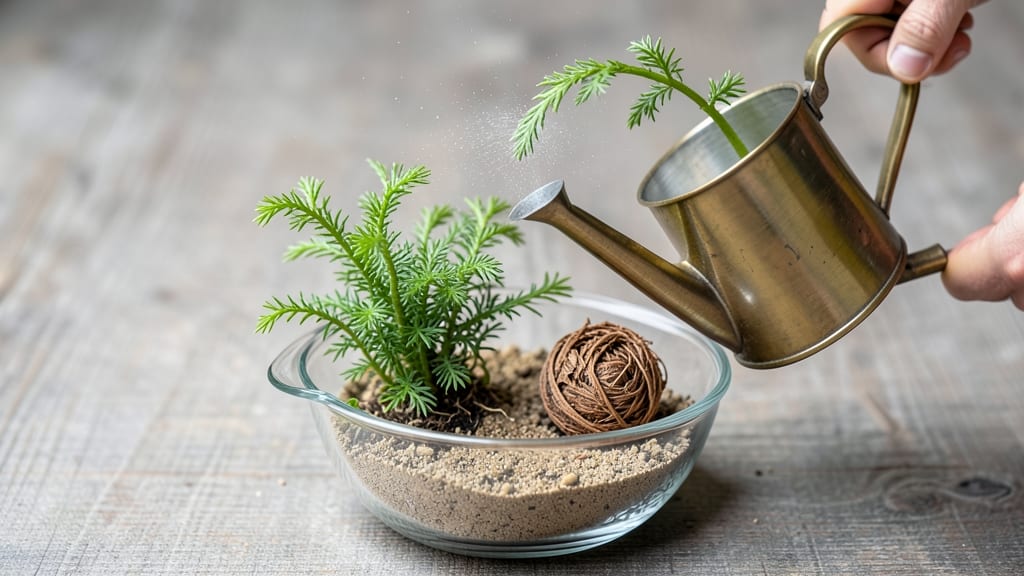
This resurrection plant how much water it needs can survive years without water—until you revive it with just a few drops. But how much water does it really need to wake up without drowning it? The answer isn’t as simple as you’d think, especially when balancing its desert roots with the humidity of your home.
Most gardeners make one of two mistakes: either they drown their resurrection plant with too much water, or they treat it like a cactus and leave it bone-dry. The truth lies somewhere in between—this plant thrives on minimal moisture during dormancy but needs precise hydration to revive.
I’ll show you exactly how to find that sweet spot.
You’ll learn the exact watering schedule to trigger revival, from the first mist to full plumpness, plus how to spot the signs of over- or under-watering. No guesswork—just science-backed steps to bring your resurrection plant back to life without killing it in the process.
Whether you’re dealing with a dried-up specimen or keeping one happy long-term, these tips will save you from the heartbreak of a failed revival. Let’s get your resurrection plant thriving again—without the trial and error.


How much water does a resurrection plant need to revive?
Reviving your resurrection plant (Selaginella lepidophylla) starts with understanding its unique watering needs. Unlike typical houseplants, this desert dweller thrives on minimal moisture during dormancy but requires precise hydration to break dormancy. Overwatering kills it faster than underwatering—so let’s get the science right.
When your plant looks like a dried-up paper ball, it’s not dead—it’s just waiting for water. The revival process begins with just 2-3 teaspoons of water applied directly to the soil.
Think of it as a gentle wake-up call, not a drenching. Too much water at once can drown its delicate roots, while too little won’t trigger the transformation.
Here’s the golden rule: Mist lightly first, then wait 24 hours to observe. If the soil feels damp but not soggy, you’re on track. If it’s bone-dry after 24 hours, add another teaspoon. This gradual approach mimics the natural desert rain that revives these plants in the wild.
Soil type matters. Use a well-draining cactus/succulent mix with perlite or sand to prevent root rot. Avoid peat-heavy soils—they hold too much moisture. A terracotta pot with drainage holes is ideal; it wicks away excess water faster than plastic.
Seasonal adjustments are key. In spring and fall, your plant can handle bi-weekly misting (every 10–14 days). But during summer dormancy, reduce water to once a month or less. The goal isn’t to keep it hydrated—it’s to trigger revival without stress.
Now, let’s break down the exact watering methods and what to avoid. The table below compares misting vs. soaking, soil moisture levels, and seasonal needs to keep your resurrection plant thriving.
| Method | Water Amount | Frequency | Best For | Season |
|---|---|---|---|---|
| Light misting | 2–3 tsp per application | Every 7–14 days | Revival phase | Spring/Fall |
| Deep soak | 50–100ml (¼ cup) | Every 3–4 weeks | Established growth | Summer (dormancy) |
| Bottom watering | 1–2 tbsp water in saucer | Monthly | Dormant storage | Winter |
Note: Always let soil dry completely between waterings to prevent rot.
Pro tip: Use a spray bottle for misting—it gives you precise control over moisture. Aim for the soil surface, not the leaves, to avoid fungal issues. If your plant is deeply dehydrated, place the pot in a shallow tray of water for 10 minutes, then drain thoroughly.
This mimics a sudden desert rain without drowning the roots.
Watch for visual cues like wrinkled leaves (needs water) or mushy stems (too much water). The resurrection plant’s color change from gray-brown to vibrant green is your biggest clue—it’s telling you it’s happy! Adjust your watering based on these signals, not a rigid schedule.
Remember, this plant’s superpower is survival, not constant growth. Less water = longer lifespan. Once revived, reduce watering to every 2–3 weeks in summer and monthly in winter. Your goal is to keep it alive, not lush—that’s what makes the resurrection plant so magical.
How much water does a resurrection plant need to revive?
The resurrection plant (Selaginella lepidophylla) thrives on minimal water—just enough to trigger its dormancy break without drowning its roots. During revival, aim for light misting (not soaking) every 2–3 days until you see green color return.
Overwatering is the #1 killer, so always use a well-draining mix like cactus soil with perlite.
For a fully dried specimen, start with 1–2 teaspoons of water (about 5–10ml) applied directly to the soil. Mist the leaves gently to avoid fungal risk. This gentle approach mimics its natural desert environment, where moisture is rare but critical during revival phases.
| Stage | Water Amount | Frequency | Technique |
|---|---|---|---|
| Dormant (Dried) | 1–2 tsp (5–10ml) | Every 2–3 days | Mist soil + leaves |
| Early Revival (Green Tips) | 1 tbsp (15ml) | Every 3–4 days | Soak soil, drain excess |
| Active Growth | 2 tbsp (30ml) | Weekly | Bottom-watering |
| Dormancy (Summer) | None (or trace mist) | Monthly check | Let soil dry completely |
Terracotta pots are ideal—they wick moisture away, preventing root rot. Avoid plastic containers, which trap humidity and suffocate the plant. If your resurrection plant lives in low humidity (like most homes), reduce watering slightly to every 4–5 days during revival.
Watch for wrinkled leaves—this signals underwatering, while yellowing or mushy stems mean overwatering. Adjust your schedule based on these visual cues. Remember: this plant’s survival trick is slow hydration, not floods.
Once fully revived, maintain low moisture—water only when the top inch of soil is bone-dry. In summer dormancy, skip watering entirely unless the plant looks completely shriveled again. Patience is key: resurrection plants hate rush but love precision.
Pro tip: Use a spray bottle for misting to control moisture. Test soil moisture with your finger—if it feels damp below 1 inch, wait another day. This hands-on check keeps your plant thriving without guesswork.