
Plants
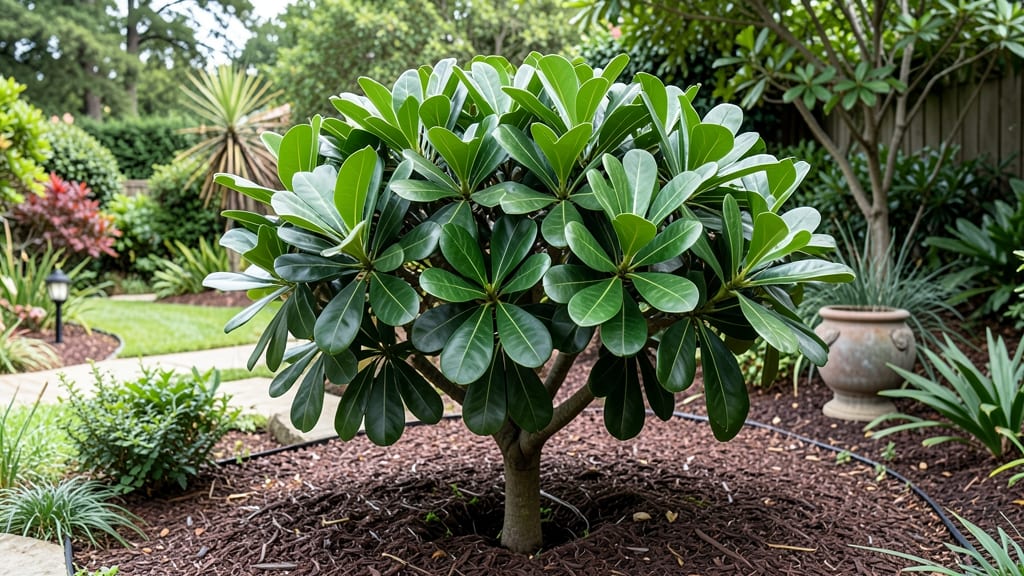
If your umbrella plant 🌿 is looking sad—droopy leaves, sparse growth, or even worse, crispy edges—you’re probably getting how much light does an umbrella plant need all wrong.
The truth is, most people overcomplicate this, but the ideal light conditions for your Schefflera are simpler than you think, and I’ve got the exact formula to keep it thriving.
Picture this: your umbrella plant basking in bright, indirect light, like a cozy spot near an east-facing window where the morning sun gently kisses its leaves. Too little light, and it stretches awkwardly toward the window; too much, and those pretty leaves start to scorch.
The key is finding that sweet spot where your plant feels just right—neither starved for light nor fried by it.
You might be surprised to learn that your umbrella plant can actually handle some direct sunlight, but only in the right doses. I’ll show you how to spot the signs of over- or under-lighting and tweak your home’s setup to give your plant the perfect glow—no guesswork involved.
Whether you’re dealing with a dim corner or a sun-soaked room, I’ve got practical tips to adjust your space so your umbrella plant doesn’t just survive but flourishes. Let’s get your green friend back to its happiest, healthiest self—starting with the light.

Ideal light requirements for umbrella plants: the perfect balance
Your umbrella plant (Schefflera actinophylla) thrives on bright indirect light, making it perfect for homes with east or west-facing windows. This tropical plant mimics its natural habitat under dappled forest sunlight, where direct rays are filtered through leaves.
Without the right light, you’ll notice yellowing leaves or stretched, leggy growth—clear signs your plant is struggling.
Most gardeners mistakenly assume more light is always better, but umbrella plants burn easily under harsh afternoon sun. The key is 4-6 hours of filtered sunlight daily, ideally between 6 AM and 4 PM.
Think of it like giving your plant a sunbath with SPF—enough to grow, but protected from intensity.
In low-light conditions, like a north-facing room, your plant will slow its growth and develop smaller, paler leaves. On the flip side, south-facing windows can deliver too much direct sun, causing brown leaf tips or crispy edges.
The solution? Use sheer curtains to diffuse harsh rays while still letting light through.
Seasonal changes also affect your umbrella plant’s light needs. During spring and summer, when sunlight is strongest, move your plant further from windows to avoid leaf scorch. In fall and winter, when natural light dims, supplement with a 12-hour grow light to maintain its photosynthesis cycle.
This mimics the plant’s natural tropical climate, where daylight hours remain consistent.
Pro tip: Rotate your plant quarter-turns every 2 weeks to ensure even light exposure on all sides. Uneven growth (like leaves tilting toward the window) is a dead giveaway your plant is reaching for more light. A simple rotation keeps those lush, symmetrical fronds you love.
Watch for these 3 key signs your umbrella plant isn’t getting the right light: yellowing leaves (too much sun), dark green and sparse foliage (too little sun), or brown patches (sunburn). Addressing these early can revive your plant’s health in as little as 2-4 weeks with adjusted lighting.
For outdoor growing zones 9-11, umbrella plants can handle partial shade outdoors, but always acclimate gradually to avoid shock. Start with morning sun only, then slowly increase exposure over 2-3 weeks. This hardening-off process prevents the leaf drop many gardeners see when moving plants abruptly.
Remember, the goal isn’t maximum light—it’s optimal light. Your umbrella plant will reward you with vibrant, glossy leaves and steady growth when you strike that perfect balance. Think of it like goldilocks lighting: not too hot, not too cold, but just right.
Ideal light requirements for umbrella plants: the perfect balance
Your umbrella plant 🌿 thrives in bright indirect light, which mimics its natural habitat under the canopy of tropical forests. Think of it like a sunbathing session at the beach—too much direct sun causes burns, while too little leaves it weak and leggy.
The ideal light intensity for Schefflera is about 40-60% sunlight, which translates to placing it near an east or west-facing window where morning or afternoon sun gently filters through.
Direct sunlight is a double-edged sword for umbrella plants. While they can tolerate 1-2 hours of morning sun, harsh afternoon rays—especially between 12 PM and 4 PM—will scorch those delicate leaves.
If you notice brown crispy edges or bleached patches, it’s a clear sign your plant is getting too much direct light. Move it back a few feet or add a sheer curtain to diffuse the intensity.
🌱Pro Tip: Rotate your plant quarter-turns every 2 weeks to ensure all sides get even light exposure. This prevents uneven growth and keeps those umbrella-like fronds symmetrical and lush. Uneven light is a common reason why one side of your plant looks healthier than the other—don’t let that happen!
Seasonal adjustments are key to keeping your umbrella plant happy year-round. During spring and summer, when sunlight is intense, your plant will appreciate being 2-3 feet away from a window. In fall and winter, when natural light dims, you can move it slightly closer to compensate.
If you notice yellowing leaves or stretched-out stems, it’s a red flag that your plant isn’t getting enough light—time to find a brighter spot or supplement with a grow light.
💡Science Note: Umbrella plants perform photosynthesis most efficiently in bright indirect light because their large leaves can absorb plenty of light without overheating. Too little light reduces chlorophyll production, leading to pale, weak growth.
Too much light causes oxidative stress, which is why those crispy edges appear. The sweet spot? 4-6 hours of bright indirect light daily—just enough to fuel growth without causing damage.
If you’re still unsure about your home’s lighting, here’s a quick test: Hold a piece of white paper near your plant’s leaves for a few hours. If the paper turns slightly yellow, your plant is getting too much direct light.
If it stays white, you’re in the perfect light zone. Adjust accordingly, and your umbrella plant will reward you with vibrant green leaves and compact, bushy growth for years to come.